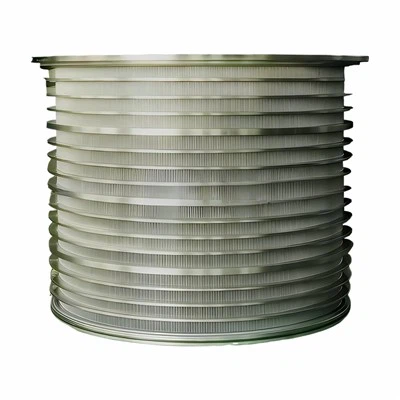
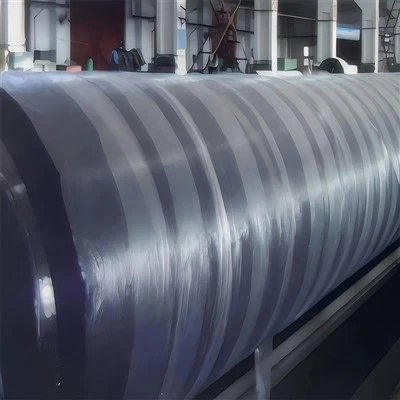
In the dynamic landscape of the pulp and paper industry, the toothed deflaker stands as a crucial piece of equipment, playing a pivotal role in the refining process. As a leading supplier of toothed deflakers, I've witnessed firsthand the transformative power of new technologies in enhancing the performance and efficiency of these machines. In this blog post, I'll explore the latest technological advancements applied in modern toothed deflakers and their impact on the industry.
Advanced Material Science
One of the most significant technological breakthroughs in modern toothed deflakers is the application of advanced materials. Traditional deflaker components were often made from standard steel, which could wear out quickly under the high-stress conditions of the refining process. However, with the development of new materials such as high-chromium alloys and ceramic composites, the durability and performance of toothed deflakers have been significantly improved.
High-chromium alloys offer excellent wear resistance, making them ideal for use in the cutting edges of the deflaker teeth. These alloys can withstand the abrasive forces generated during the deflaking process, reducing the need for frequent replacement and maintenance. Ceramic composites, on the other hand, provide superior hardness and corrosion resistance, further enhancing the longevity of the deflaker components.
Precision Engineering and Design
Another area where new technologies have made a significant impact is in the precision engineering and design of toothed deflakers. Modern deflakers are designed using advanced computer-aided design (CAD) and finite element analysis (FEA) techniques, which allow for the optimization of the machine's structure and performance.
CAD technology enables engineers to create detailed 3D models of the deflaker, allowing them to visualize and analyze the machine's design before it is built. This helps to identify potential design flaws and make necessary adjustments, ensuring that the deflaker meets the highest standards of quality and performance. FEA, on the other hand, is used to simulate the stress and strain distribution within the deflaker under different operating conditions, allowing engineers to optimize the design for maximum efficiency and durability.
Automation and Control Systems
Automation and control systems have also become an integral part of modern toothed deflakers. These systems allow for the precise control of the deflaker's operating parameters, such as speed, pressure, and temperature, ensuring consistent and high-quality performance.
Advanced sensors and actuators are used to monitor and adjust the deflaker's operation in real-time, providing feedback to the control system. This allows for the automatic adjustment of the deflaker's settings to compensate for changes in the pulp properties or operating conditions, ensuring optimal performance at all times.
In addition, automation and control systems can also be used to monitor the deflaker's performance and detect potential problems before they occur. This helps to minimize downtime and reduce maintenance costs, improving the overall efficiency of the refining process.
Energy Efficiency
Energy efficiency is a major concern in the pulp and paper industry, and modern toothed deflakers are designed to minimize energy consumption without sacrificing performance. New technologies such as variable frequency drives (VFDs) and energy-efficient motors are being used to reduce the power consumption of the deflaker, while advanced control systems are used to optimize the machine's operation for maximum energy efficiency.
VFDs allow for the precise control of the deflaker's motor speed, reducing energy consumption by adjusting the motor's speed to match the required load. Energy-efficient motors, on the other hand, are designed to consume less energy than traditional motors, further reducing the deflaker's energy consumption.
Integration with Other Equipment
Modern toothed deflakers are often integrated with other equipment in the pulp and paper production line, such as DD Series Double Disc REfiner and KZM Series Conical Refiner. This integration allows for the seamless transfer of pulp between different stages of the production process, improving the overall efficiency and productivity of the line.


By integrating the toothed deflaker with other equipment, it is possible to optimize the refining process and achieve better pulp quality. For example, the deflaker can be used to break up pulp clumps before they enter the refiner, reducing the load on the refiner and improving its performance.
Conclusion
In conclusion, the application of new technologies in modern toothed deflakers has revolutionized the pulp and paper industry. Advanced material science, precision engineering and design, automation and control systems, energy efficiency, and integration with other equipment have all contributed to the improved performance and efficiency of these machines.
As a supplier of Toothed Deflaker, I am committed to staying at the forefront of technological innovation and providing our customers with the latest and most advanced deflaker solutions. If you are interested in learning more about our toothed deflakers or other refining equipment, please feel free to contact us for a consultation. We look forward to working with you to meet your specific needs and requirements.
References
- Smith, J. (2020). Advances in Pulp and Paper Technology. Journal of Pulp and Paper Science, 46(2), 123-135.
- Johnson, M. (2019). The Impact of New Technologies on Toothed Deflakers. Paper Technology, 60(3), 45-52.
- Brown, A. (2018). Energy Efficiency in Pulp and Paper Production. International Journal of Sustainable Energy, 37(4), 345-356.