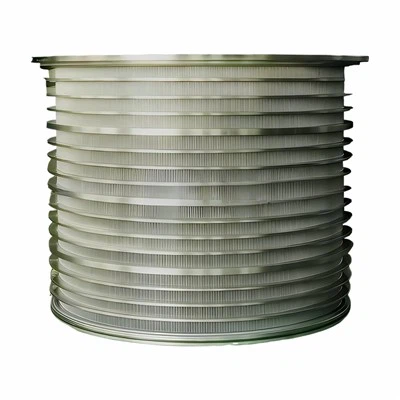
Waste heat recovery is a crucial aspect of modern industrial operations, aiming to enhance energy efficiency and reduce environmental impact. As a supplier of Disc Heat-Disperser, I am often asked whether our product can be used for waste heat recovery. In this blog post, we will explore the technical feasibility, potential benefits, and challenges associated with using a disc heat-disperser for waste heat recovery.
Technical Feasibility of Waste Heat Recovery with a Disc Heat-Disperser
A disc heat-disperser is a specialized piece of equipment commonly used in the pulp and paper industry. It operates by applying high shear forces to the pulp suspension while simultaneously transferring heat. This process helps to break down contaminants, improve fiber dispersion, and enhance the quality of the pulp. The heat transfer mechanism in a disc heat-disperser involves the use of heated discs that come into contact with the pulp.
To understand the potential for waste heat recovery, we need to look at the heat sources and sinks within the disc heat-disperser system. The heat input to the disperser can come from various sources, such as steam or hot water. During the operation of the disperser, a significant amount of heat is transferred to the pulp, which is then discharged from the system.
Technically, it is possible to recover the waste heat from the pulp leaving the disc heat-disperser. One approach could be to use a heat exchanger to transfer the heat from the hot pulp to a cold fluid, such as water or another process stream. This recovered heat could then be reused within the same production process or diverted to other nearby processes that require heating.
For example, in a pulp and paper mill, the recovered heat could be used to pre - heat the incoming water for the pulping process or to heat the air in the dryer section. Another option could be to use the recovered heat to generate low - pressure steam, which can be used for various auxiliary processes in the mill.
Potential Benefits of Using a Disc Heat - Disperser for Waste Heat Recovery
Energy Savings
One of the most significant benefits of waste heat recovery from a disc heat-disperser is energy savings. By reusing the waste heat, the mill can reduce its reliance on external energy sources, such as fossil fuels or electricity. This not only lowers the energy consumption but also reduces the operating costs of the mill.
For instance, if a mill can recover a significant portion of the heat from the disc heat-disperser and use it to pre - heat the incoming water, it can reduce the amount of steam required for the heating process. This results in direct savings in steam generation costs, which can have a substantial impact on the overall profitability of the mill.
Environmental Impact
Reducing energy consumption through waste heat recovery also has a positive environmental impact. By using less fossil fuels, the mill can lower its greenhouse gas emissions. This is in line with the global efforts to combat climate change and promote sustainable industrial practices.
In addition, waste heat recovery can also reduce the thermal pollution of the environment. The hot pulp leaving the disc heat-disperser, if not properly treated, can cause thermal pollution when discharged into water bodies. By recovering the heat, the temperature of the discharged pulp can be reduced, minimizing the negative impact on the aquatic ecosystem.
Improved Process Efficiency
Waste heat recovery can also improve the overall process efficiency of the pulp and paper mill. By reusing the heat, the mill can achieve a more stable and consistent operating temperature, which can lead to better product quality. For example, in the pulping process, a more consistent temperature can result in better fiber separation and less damage to the fibers, leading to higher - quality pulp.
Challenges in Using a Disc Heat - Disperser for Waste Heat Recovery
Heat Transfer Efficiency
One of the main challenges in waste heat recovery from a disc heat-disperser is the heat transfer efficiency. The pulp flowing out of the disperser is often a complex mixture of fibers, water, and other contaminants. These substances can act as an insulation layer, reducing the rate of heat transfer from the pulp to the heat exchanger.
To overcome this challenge, special heat exchanger designs may be required. For example, a plate - type heat exchanger with a large surface area and high turbulence may be more effective in transferring heat from the pulp. Additionally, regular cleaning and maintenance of the heat exchanger are essential to prevent fouling and ensure optimal heat transfer performance.
System Integration
Integrating the waste heat recovery system with the existing disc heat - disperser and the overall mill process can be a complex task. The recovered heat needs to be seamlessly integrated into the process streams where it can be most effectively used. This may require modifications to the existing piping, control systems, and process equipment.
Moreover, the waste heat recovery system needs to be designed in such a way that it does not interfere with the normal operation of the disc heat-disperser. Any changes in the temperature or flow rate of the pulp can affect the performance of the disperser, so careful consideration must be given to the system design and control.
Cost - Benefit Analysis
Implementing a waste heat recovery system can involve significant upfront costs. These costs include the purchase and installation of the heat exchanger, piping, control systems, and any necessary modifications to the existing equipment. Therefore, a thorough cost - benefit analysis is required to determine whether the investment in waste heat recovery is economically viable.


The analysis should take into account the long - term energy savings, environmental benefits, and potential improvements in process efficiency. However, it is important to note that the payback period for such an investment can vary depending on factors such as the cost of energy, the size of the mill, and the efficiency of the waste heat recovery system.
Conclusion
In conclusion, it is technically feasible to use a Disc Heat-Disperser for waste heat recovery, and there are significant potential benefits in terms of energy savings, environmental impact, and process efficiency. However, there are also challenges that need to be addressed, such as heat transfer efficiency, system integration, and cost - benefit analysis.
As a supplier of disc heat - dispersers, we understand the importance of waste heat recovery for our customers. We are committed to working with our clients to develop customized solutions that maximize the benefits of waste heat recovery while overcoming the associated challenges.
If you are interested in learning more about how our disc heat - dispersers can be used for waste heat recovery, or if you would like to discuss potential applications and solutions for your specific needs, please do not hesitate to contact us. Our team of experts is ready to assist you in evaluating the feasibility of waste heat recovery in your process and to provide you with a comprehensive solution. For more products in our dispersering system, you can also check out our Paper Machine Kneader.
References
- Smith, J. (2018). Energy Efficiency in the Pulp and Paper Industry. Elsevier.
- Johnson, A. (2020). Waste Heat Recovery Technologies in Industrial Processes. Wiley.
- Miller, R. (2019). Pulp and Paper Manufacturing Processes. CRC Press.