Screen baskets are essential components in various industrial screening processes, used in applications such as pulp and paper manufacturing, wastewater treatment, and food processing. As a screen basket supplier, I often get asked whether screen baskets require any special maintenance. In this blog post, I'll delve into this question, exploring the factors that influence maintenance needs and providing practical tips for keeping screen baskets in optimal condition.
Understanding Screen Baskets
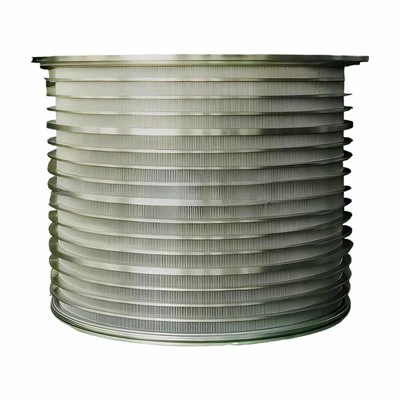
Before discussing maintenance, it's important to understand what screen baskets are and how they work. Screen baskets are typically cylindrical or conical structures made of perforated or slotted metal sheets. They are designed to separate solids from liquids or different-sized particles based on their size and shape. The holes or slots in the screen basket allow smaller particles or liquids to pass through while retaining larger particles.
There are different types of screen baskets available, each suited for specific applications. For example, the HB Pressure Screen is commonly used in the pulp and paper industry for screening pulp fibers. It features a unique design that allows for efficient screening at high pressures. The High Concentration Pressure Screen is designed for screening high-concentration pulp, offering excellent performance in challenging conditions. And the Fiber Grading Sieves are used for grading and separating fibers based on their length and width.
Factors Influencing Maintenance Requirements
The maintenance requirements of screen baskets can vary depending on several factors, including the type of application, the material being screened, and the operating conditions. Here are some key factors to consider:
Type of Application
Different applications place different demands on screen baskets. For example, in the pulp and paper industry, screen baskets are exposed to abrasive pulp fibers, chemicals, and high pressures. This can cause wear and tear on the screen surface, leading to reduced screening efficiency and potential damage to the basket. In contrast, screen baskets used in food processing applications may be exposed to less abrasive materials but may require more frequent cleaning to meet hygiene standards.


Material Being Screened
The properties of the material being screened can also affect the maintenance needs of screen baskets. Materials that are abrasive, sticky, or corrosive can cause more rapid wear and damage to the screen surface. For example, screening materials with high silica content can be particularly abrasive, while sticky materials can clog the screen holes or slots, reducing screening efficiency. Corrosive materials can also cause rust and corrosion on the screen basket, leading to structural damage over time.
Operating Conditions
The operating conditions, such as temperature, pressure, and flow rate, can also impact the maintenance requirements of screen baskets. High temperatures can cause the screen material to expand and contract, leading to stress and potential damage. High pressures can also put additional strain on the screen basket, increasing the risk of deformation or rupture. And high flow rates can cause more rapid wear on the screen surface due to the increased impact of the screened material.
Special Maintenance Requirements
Based on the factors mentioned above, screen baskets may require some special maintenance to ensure their optimal performance and longevity. Here are some common maintenance tasks and considerations:
Regular Cleaning
Regular cleaning is essential to prevent the buildup of debris and contaminants on the screen surface. This can be done using a variety of methods, depending on the type of material being screened and the level of contamination. For light contamination, a simple rinse with water may be sufficient. For more stubborn debris, a chemical cleaner or a high-pressure water jet may be required. It's important to use the appropriate cleaning method and chemicals to avoid damaging the screen basket.
Inspection
Regular inspection of screen baskets is necessary to detect any signs of wear, damage, or clogging. This can be done visually or using non-destructive testing methods, such as ultrasonic testing or magnetic particle inspection. During the inspection, check for any signs of corrosion, cracks, holes, or deformation in the screen surface. Also, make sure that the screen holes or slots are clear and free of debris. If any issues are detected, take appropriate action to repair or replace the screen basket.
Lubrication
In some cases, screen baskets may require lubrication to reduce friction and wear. This is particularly important for screen baskets that are used in high-speed or high-pressure applications. Lubrication can help to extend the life of the screen basket and improve its performance. However, it's important to use the appropriate lubricant and follow the manufacturer's recommendations to avoid contamination of the screened material.
Replacement of Worn Parts
Over time, some parts of the screen basket may become worn or damaged and need to be replaced. This includes the screen surface, the support structure, and any other components that are subject to wear and tear. It's important to use high-quality replacement parts that are compatible with the screen basket to ensure its optimal performance.
Tips for Maintaining Screen Baskets
Here are some additional tips for maintaining screen baskets:
- Follow the Manufacturer's Recommendations: Always follow the manufacturer's guidelines for installation, operation, and maintenance of screen baskets. This will help to ensure that the screen basket is used correctly and that its performance and longevity are maximized.
- Use the Right Screen Basket for the Application: Make sure that you select the right screen basket for your specific application. Consider factors such as the type of material being screened, the required screening efficiency, and the operating conditions. Using the wrong screen basket can lead to poor performance and increased maintenance requirements.
- Monitor the Screening Process: Regularly monitor the screening process to detect any changes in performance or efficiency. This can help you to identify potential issues early and take appropriate action to prevent further damage to the screen basket.
- Train Your Staff: Provide proper training to your staff on how to operate and maintain screen baskets. This will help to ensure that they are using the equipment correctly and that any maintenance tasks are carried out effectively.
Conclusion
In conclusion, screen baskets do require some special maintenance to ensure their optimal performance and longevity. The maintenance requirements can vary depending on the type of application, the material being screened, and the operating conditions. By following the tips and guidelines outlined in this blog post, you can keep your screen baskets in good condition and minimize the need for costly repairs or replacements.
If you're in the market for high-quality screen baskets or need more information on screen basket maintenance, I encourage you to contact us. Our team of experts can help you select the right screen basket for your application and provide you with the support and guidance you need to keep it running smoothly. Let's start a conversation about your screening needs and find the best solution together.
References
- Pulp and Paper Handbook, 3rd Edition
- Wastewater Treatment Technology Manual
- Food Processing Equipment Maintenance Guide