


Fiber Grading Sieves
Structural Components
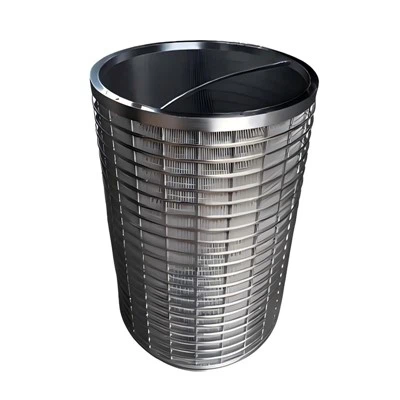
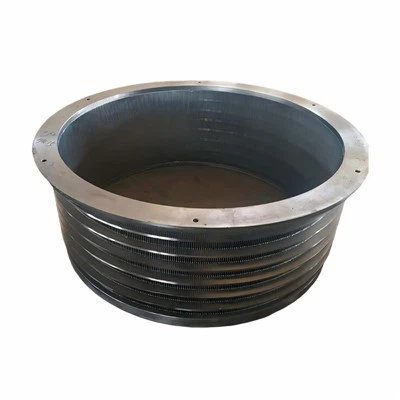
1.Screen Frame
Typically fabricated from robust and durable metal materials with high strength and rigidity, such as high-quality stainless steel. This selection ensures the frame can withstand the rigors of the fiber grading process and provide a stable foundation.
The manufacturing process of the screen frame involves precise machining to achieve exact dimensions and geometric accuracy. Connections within the frame are engineered to be tight and robust, preventing any loosening or deformation even under intense operational conditions.
To enhance durability and corrosion resistance, the surface of the screen frame may undergo treatments like electroplating, application of protective coatings, or heat treatment.
2.Screen Mesh
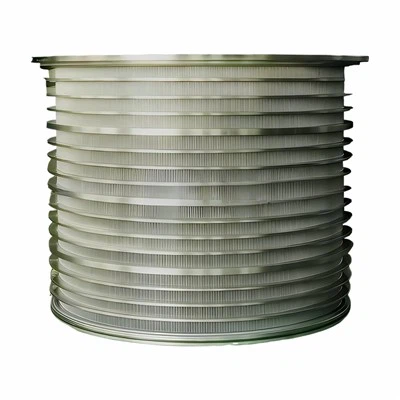
As the key component for fiber grading, the screen mesh is often crafted from specialized metallic wires (e.g., high-carbon steel or stainless steel) or synthetic fibers (such as polyester or nylon) through meticulous weaving techniques.
The pore sizes and mesh patterns of the screen are customized based on the specific grading requirements. Pore diameters can vary from micrometers to millimeters, allowing for precise separation of fibers of different dimensions. The mesh shapes, whether square, circular, or other geometries, are selected to accommodate the characteristics and flow behavior of the fibers.
To optimize the screening performance and longevity of the screen mesh, it may receive surface treatments to minimize fiber adhesion, clogging, and enhance its resistance to wear and corrosion.
3.Vibration Unit
Comprising elements such as a powerful motor, eccentric shafts, and transmission components like belts or chains, the vibration unit generates the necessary oscillations.
The motor drives the eccentric shafts, converting rotational motion into linear vibrations. The vibration frequency and amplitude can be precisely adjusted via a control system to suit the properties of the fibers and production requirements. Higher frequencies are suitable for fine fiber grading, while larger amplitudes aid in handling more viscous or clustered fiber mixtures.
To mitigate noise and energy losses during vibration, the unit may incorporate damping elements like rubber mounts and sound insulation features.
4.Feed and Discharge Systems
The feed inlet is engineered for efficient and uniform distribution of the fiber mixture onto the screen mesh. It is designed with proper flow guidance to prevent fiber accumulation, clogging, or uneven feeding.
The discharge outlets are segregated into multiple channels corresponding to different fiber grades. Each channel is equipped with collection mechanisms to ensure smooth and separate conveyance of the graded fibers for further processing or storage.
To enable automated production and precise control, the feed and discharge systems may be equipped with sensors for flow and pressure monitoring, as well as automatic valves and conveying devices for accurate regulation.
Working Principle
1.Feeding
The fiber mixture is conveyed onto the screen mesh of the fiber grading sieve through a feed system, which could include conveyor belts, screw conveyors, or pneumatic transport mechanisms. The feed rate and speed can be precisely controlled to meet production demands.
During the feeding process, the fiber mixture is directed onto the screen mesh at an optimal angle and velocity, promoting even distribution and initial separation of the fibers.
2.Vibratory Screening
When the vibration unit is activated, the motor rotates the eccentric shafts at high speed, creating specific frequencies and amplitudes of linear vibration.
The fibers are set in motion on the screen mesh, bouncing and moving. Smaller fibers pass through the screen pores, while larger fibers are retained on the mesh surface due to their size.
The continuous vibration helps prevent fiber build-up and ensures consistent screening efficiency and quality.
3.Graded Discharge
Fibers that pass through the screen mesh fall into the corresponding discharge channels based on their size. The discharge channels are designed to facilitate the smooth collection and transport of the graded fibers without cross-contamination.
Larger fibers remaining on the screen mesh are gradually pushed towards the designated discharge point for removal or further processing.
Performance Characteristics
1.High-Precision Grading
Enables highly accurate classification of fibers based on size and other characteristics, achieving grading precision at the micrometer scale. This results in high-quality and uniform fiber raw materials for papermaking, enhancing the final paper's properties and performance.
The precise grading contributes to improved physical, mechanical, and surface qualities of the paper, meeting the exacting standards of various paper applications.
2.High Processing Capacity
Well-designed fiber grading sieves offer significant processing capabilities, handling large quantities of fiber mixtures within a short period. This is crucial for meeting the demands of large-scale papermaking operations and maximizing production efficiency.
The high throughput leads to increased productivity and cost-effectiveness in the manufacturing process.
3.Versatile Adaptability
Can effectively handle a wide range of fiber types and sources, including wood pulp, straw pulp, and recycled fibers.
Easily adjustable parameters such as vibration settings and screen mesh specifications allow the sieve to adapt to variations in fiber characteristics and production conditions, ensuring consistent grading performance.
4.Robust Stability
Constructed using premium materials and advanced manufacturing processes, along with an optimized structural design, the equipment operates reliably over extended periods of continuous use.
Integrated monitoring and control systems constantly monitor the equipment's status, promptly identifying and resolving potential issues to ensure uninterrupted and stable production.
5.Maintenance-Friendly
The relatively simple structure and accessible component layout facilitate easy disassembly and replacement of parts. Routine maintenance tasks, including screen mesh cleaning and component inspections, are straightforward, minimizing downtime and maximizing equipment availability.
Application Fields
1.Papermaking Processes
Utilized in the pulping stage of paper mills to grade fibers from diverse sources and types, providing tailored fiber raw materials for subsequent papermaking steps.
Improves the quality and characteristics of the paper, such as strength, porosity, and printability, to meet the specific requirements of different paper grades.
2.Fiber Recycling and Reuse
In waste paper recycling operations, it helps sort and purify the recovered fibers, enhancing their quality and recyclability.
Contributes to reducing waste and the reliance on virgin fiber sources, promoting a more sustainable papermaking industry.
3.Specialty Paper Production
Supplies precisely graded fibers for manufacturing specialty papers with unique properties and performance requirements, such as filter papers, electrical insulation papers, and medical-grade papers.
Research and Development
Serves as an essential tool in fiber research and development activities, facilitating the analysis of fiber characteristics, exploration of grading mechanisms, and the development of improved grading techniques.
Operation and Maintenance Considerations
1.Operational Guidelines
Operators should receive comprehensive training to understand the equipment's structure, working principles, and operational procedures.
Before startup, conduct a thorough inspection of all components, connections, and the functionality of the feed and discharge systems.
Based on the fiber type and grading specifications, set the appropriate vibration parameters, feed rates, and monitor the equipment's performance during operation, making timely adjustments as needed.
2.Maintenance Practices
Regularly inspect and clean the screen mesh to remove any obstructions or adhered fibers to maintain its permeability.
Perform routine maintenance on the vibration unit, checking for wear and tear of components like the motor, eccentric shafts, and transmission elements, and replace damaged parts promptly.
Periodically examine the connections and seals of the equipment to ensure tightness and prevent leaks.
Maintain a detailed maintenance log documenting maintenance activities, equipment conditions, and any issues encountered for future reference and predictive maintenance planning.
Particular model
Fiber grading sieves:ZSL63,ZSL64,ZSL65,ZSL66
Hot Tags: fiber grading sieves, China fiber grading sieves suppliers, factory, 2640 350 Pope Reel, Fibernet Screen, Mac Cell Flotation Machine, other equipment, p m auxiliary and parts, White Water Filtering Machine
Next
No InformationYou Might Also Like



Send Inquiry