


Outflow Pressure Screen
Structural Components
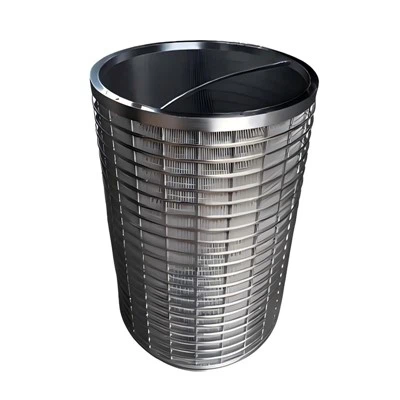
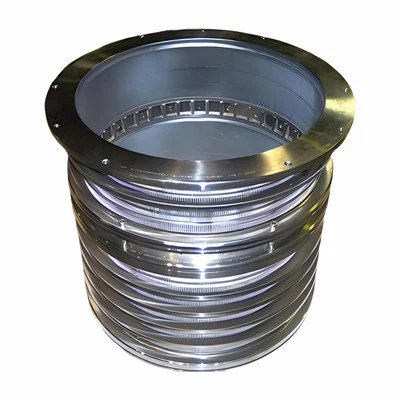
1.Screen Frame
Typically fabricated from high-strength and durable metal materials, such as high-quality alloy steel or stainless steel. The elaborately designed structure provides an extremely stable and reliable support and framework for the entire equipment, capable of withstanding the significant stress generated by the pulp flow and pressure, ensuring no deformation or damage occurs during long-term, high-intensity operation.
The shape and size of the screen frame are precisely calculated and optimized to minimize stress concentration points and enhance the overall structural strength. Meanwhile, its surface is usually subjected to special treatments, such as polishing or coating, to improve corrosion and wear resistance and extend service life.
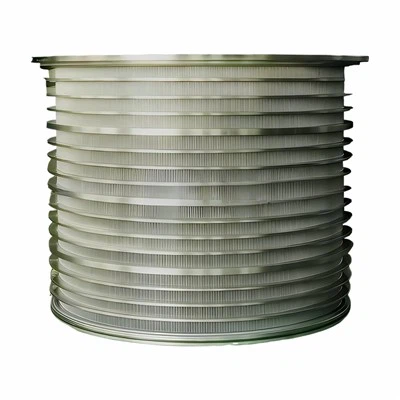
2.Screen Plate
Made of high-quality, wear-resistant, and corrosion-resistant special materials, such as advanced alloy materials or polymer composite materials. The screen plate is distributed with extremely fine and uniform screen holes. The size and shape of these screen holes are precisely designed and manufactured based on strict screening requirements.
The distribution pattern and density of the screen holes are carefully planned to ensure effective separation of various impurities and non-compliant fibers in the pulp during the screening process while maintaining good permeability and improving screening efficiency. The surface of the screen plate is usually also subjected to special treatments, such as hardening or coating, to enhance its wear resistance and service life.
3.Rotor
Uniquely and delicately designed, consisting of multiple elaborately designed blades. The shape and angle of these blades are precisely calculated and optimized to generate a strong and uniform centrifugal force and turbulence when rotating at high speed, effectively promoting the flow and mixing of the pulp within the screen.
The rotor is usually made of materials with excellent mechanical properties, such as high-strength alloys or special ceramic materials, to adapt to the requirements of high-speed rotation and complex working environments. The manufacturing process is very precise, ensuring high accuracy of the blade's geometry and installation position to ensure stable and efficient operation during work.
4.Inlet and Outlet Ports
The inlet port is designed rationally and delicately, usually adopting a flared shape or a special diversion structure to ensure the pulp enters the interior of the outflow pressure screen uniformly and smoothly, avoiding issues such as local excessive or insufficient pressure and uneven flow rate.
The outlet port design is equally important, including the outlet for the screened high-quality pulp and the outlet for discharging impurities. The high-quality pulp outlet is usually designed as a smooth channel to ensure the screened pulp can flow out quickly and smoothly, reducing resistance and pressure loss. The impurity outlet is usually equipped with special control devices, such as valves or adjustment mechanisms, to flexibly control the discharge speed and quantity of impurities based on actual conditions.
Working Principle
1.Inlet
Under the push of external pressure, the pulp enters the interior of the outflow pressure screen through the elaborately designed feed pipeline and inlet port at a stable and uniform flow rate and pressure. During the feeding process, pressure sensors and flow controllers are usually used to monitor and adjust the parameters of the feed in real-time to ensure the pulp supply meets the working requirements of the screening equipment.
Factors such as the shape and size of the inlet port and the layout and diameter of the feed pipeline are precisely calculated and optimized to minimize pressure loss and flow rate fluctuations during the feeding process, providing favorable initial conditions for the subsequent screening process.
2.Screening
Once the pulp enters the interior of the pressure screen, the high-speed rotating rotor begins to function. The blades on the rotor generate a strong centrifugal force and turbulence, causing the pulp to form a complex and intense flow near the screen plate.
Due to the size of the screen holes on the screen plate being smaller than the size of impurities and non-compliant fibers, under the combined action of centrifugal force, pressure, and turbulence, the fine fibers and liquid that meet the requirements can smoothly pass through the screen holes, while the larger impurities and non-compliant fibers are blocked on the surface of the screen plate.
Simultaneously, the rotation of the rotor also generates an axial thrust, pushing the blocked impurities and fibers towards the impurity discharge area to achieve effective separation.
3.Slag Discharge
The impurities and non-compliant fibers blocked on the surface of the screen plate gradually accumulate in the specially designed impurity discharge area under the continuous push of the rotor.
The impurity discharge area is usually connected to a special slag discharge channel. Through the slag discharge channel and corresponding control devices, such as slag discharge valves or screw conveyors, impurities are periodically or continuously discharged from the pressure screen to ensure the continuous progress of the screening process.
The frequency and quantity of slag discharge can be flexibly adjusted and controlled based on factors such as the nature of the pulp, impurity content, and production requirements.
Performance Characteristics
1.Efficient Screening
The outflow pressure screen adopts an advanced design and working principle, capable of processing a large amount of pulp in a short period, achieving efficient screening and separation. Its screening speed and processing capacity far exceed traditional screening equipment, significantly improving the production efficiency of the papermaking production line.
The advanced rotor design and screen plate structure enable more thorough flow and mixing of the pulp within the screen, thereby enhancing the efficiency and effectiveness of the screening.
2.High-Precision Separation
With its fine screen hole design and precise working parameter control, it can achieve high-precision separation of impurities and fibers in the pulp. It can effectively remove tiny impurity particles and non-compliant fibers, ensuring the quality of the screened pulp reaches a high standard.
The high-precision separation capability helps produce high-quality, uniform paper products, meeting the strict quality requirements of the market for paper.
3.Stable and Reliable
All components are made of high-quality materials and advanced manufacturing processes, coupled with a reasonable structural design, enabling the outflow pressure screen to maintain stable and reliable performance during long-term continuous operation.
The advanced monitoring and control system can monitor the operating status of the equipment in real-time, promptly detect and solve potential problems, ensuring stable operation of the equipment in a complex working environment and reducing faults and downtime.
4.Energy Saving and Low Consumption
The optimized design and efficient power system enable the equipment to effectively reduce energy consumption during operation, saving production costs.
At the same time, precise screening control can reduce unnecessary pulp loss and waste, improving the utilization rate of resources.
5.Strong Adaptability
It can adapt to different types and properties of pulp, including virgin pulp, waste paper pulp, chemical pulp, mechanical pulp, etc. It can be flexibly adjusted and optimized according to the characteristics and production requirements of the pulp to achieve the best screening effect.
For papermaking production lines of different scales and production requirements, the outflow pressure screen can provide suitable models and configurations, having wide applicability.
Application Fields
1.Pulping Process
In various pulping methods such as chemical pulping, mechanical pulping, and semi-chemical pulping, it is used to remove impurities and coarse fibers from raw materials, improving the purity and quality of the pulp.
It can effectively screen and purify different sources and types of raw materials, providing high-quality pulp for subsequent papermaking processes.
2.Paper Production
It provides pulp that meets specific quality requirements for the production of various types of paper, such as cultural paper, packaging paper, household paper, specialty paper, etc.
It helps optimize the physical properties, surface quality, and printing performance of paper, meeting the special requirements of different uses of paper.
3.Waste Paper Recycling
In the process of waste paper recycling and reuse, it conducts in-depth screening and purification of waste paper pulp to remove impurities, ink, adhesives, etc., improving the quality and utilization rate of recycled pulp.
It can provide key screening equipment for waste paper pulping production lines, promoting the recycling of waste paper resources and reducing the dependence on virgin fibers.
4.Papermaking Wastewater Treatment
It can be used for solid-liquid separation and impurity removal in the papermaking wastewater treatment process, helping to reduce the pollutant content in the wastewater and minimize the impact on the environment.
Cooperating with other wastewater treatment equipment and processes, it realizes the standard discharge of papermaking wastewater and resource recovery.
Operation and Maintenance Points
1.Operation Points
Operators need to undergo professional training and be familiar with the working principle, structural characteristics, and operation process of the equipment.
Before starting the equipment, carefully inspect the status of each component, connection conditions, and instrument displays to ensure everything is normal.
Based on the nature of the pulp and production requirements, reasonably set the working parameters such as feed pressure, rotor speed, slag discharge frequency, etc., and make timely adjustments during operation based on actual situations.
Pay close attention to the operating status of the equipment, including changes in parameters such as sound, vibration, temperature, pressure, and flow rate, and promptly detect and handle abnormal situations.
2.Maintenance Points
Regularly conduct comprehensive inspections and maintenance of the equipment, including the wear condition of the screen plate, the balance status of the rotor, the lubrication condition of the bearings, the performance of the seals, etc.
Promptly clean the blockages and impurity accumulations on the surface of the screen plate to maintain the patency of the screen holes.
Replace wearing parts such as the screen plate, bearings, and seals in accordance with the prescribed cycle to ensure the normal operation of the equipment.
Regularly calibrate and maintain the control system and monitoring instruments of the equipment to ensure their accuracy and reliability.
Particular model
Outflow pressure screen:8PS,12PS,24PS,30PS,36PS
ZSL31,ZSL32,ZSL33,ZSL34,ZSL35,ZSL36
ZSL51,ZSL52,ZSL53,ZSL54,ZSL55,ZSL56
Hot Tags: outflow pressure screen, China outflow pressure screen suppliers, factory, KTF Refiner, High speed Washer, Dry Broke Pulper, 1500 5050 Press Roll, Inflow Fine Pressure Screen, 700X3850 Vacuum Suction Box
Previous
HB Pressure ScreenYou Might Also Like



Send Inquiry