


HB Pressure Screen
Structural Components
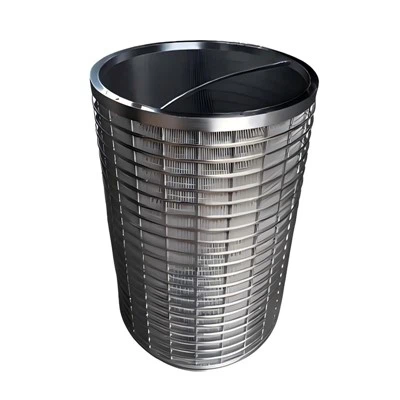
1.Screen Drum
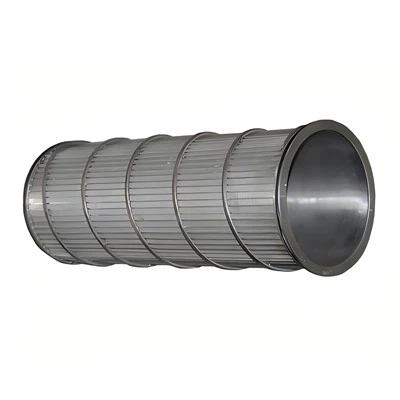
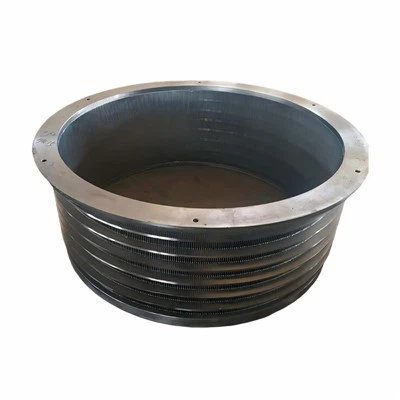
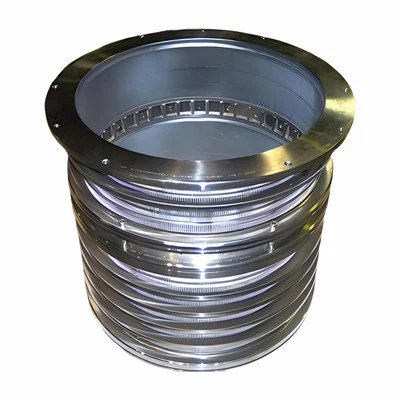
The screen drum is fabricated using high-strength and wear-resistant materials, such as high-quality stainless steel. The surface of the screen drum is evenly distributed with precise and uniform screen holes, and the shape and size of the screen holes are designed based on different screening requirements.
The internal structure of the screen drum is optimized to enhance its compression and deformation resistance, ensuring stable screening accuracy during long-term operation.
2.Shell
The shell is made of strong metal materials, such as cast steel or cast iron, capable of withstanding high pressure and the impact of pulp. The design of the shell focuses on sealing to prevent pulp leakage.
The shell is typically equipped with observation windows and access doors to facilitate operators in observing the internal operation and conducting maintenance and repair.
3.Rotor
The rotor usually consists of multiple blades, and the shape and angle of the blades are meticulously designed to generate an appropriate flow field and pressure distribution, promoting effective screening of the pulp.
The rotor is made of wear-resistant and corrosion-resistant materials and is processed through high-precision techniques to ensure rotational balance and stability.
4.Inlet and Outlet Pulp Pipes
The inlet pulp pipe is designed rationally to ensure that the pulp enters the pressure screen chamber uniformly, reducing pressure fluctuations and uneven flow.
The outlet pulp pipe ensures smooth outflow of the screened good pulp, avoiding clogging and backflow.
Working Principle
1.Inlet Stage
The pulp enters the chamber of the pressure screen under a certain pressure through the inlet pulp pipe. The inlet pressure can be adjusted based on the properties of the pulp and production requirements.
During the inlet process, a flow control device ensures a stable supply of pulp.
2.Screening Process
Once the pulp enters the screening chamber, the rotor rotates at high speed, generating a strong centrifugal force and turbulence, fully dispersing the fibers and impurities in the pulp.
Due to the size of the screen holes on the screen drum being smaller than the size of impurities and coarse fibers, qualified fibers and fine impurities pass through the screen holes under pressure, while larger impurities and fiber bundles are blocked on the surface of the screen drum.
3.Slag Discharge Process
The blocked impurities and fiber bundles gradually move towards the slag discharge port under the impetus of the rotor and are discharged periodically or continuously through the slag discharge pipe.
The frequency and quantity of slag discharge can be adjusted based on the screening effect and impurity content.
Performance Characteristics
1.Efficient Screening
It can rapidly separate impurities and coarse fibers from the pulp, enhancing the purity and quality of the pulp.
It has a large processing capacity per hour, meeting the requirements of large-scale papermaking production lines.
2.High-Precision Screening
The precision and uniformity of the screen holes ensure the consistency of fiber length and fineness in the screened pulp, contributing to improving the physical properties of the paper.
3.Stable Operation
Advanced transmission systems and balancing techniques are employed to maintain the stability of the rotor during high-speed rotation, reducing vibration and noise.
The high-quality manufacturing of key components and the rational structural design ensure reliable performance during long-term operation.
4.Easy Maintenance
Components such as the screen drum and rotor are easy to disassemble and replace, facilitating daily maintenance and upkeep.
The equipment has a relatively high degree of automation, and the fault diagnosis and alarm system can promptly indicate maintenance requirements.
5.Energy Saving and Consumption Reduction
The optimized design and efficient power system reduce the energy consumption of the equipment, saving production costs.
Application Fields
1.Pulping Production Lines:It is used in processes such as chemical pulping, mechanical pulping, and waste paper pulping to remove impurities and fiber bundles and improve the quality of the pulp.
2.Paper Production:It provides pulp meeting the requirements for the production of different types of paper, such as cultural paper, packaging paper, and specialty paper.
3.Pulp Recycling:In the process of waste paper recycling and utilization, it screens and purifies waste paper pulp to improve the utilization rate and quality of recycled pulp.
Operation and Maintenance Points
1.Operation Points
Operators need to be familiar with the operation process and control parameters of the equipment and adjust parameters such as inlet pressure and rotor speed reasonably based on the characteristics of the pulp and production requirements.
Regularly inspect the operating status of the equipment, including the wear condition of the screen drum and the pressure and flow of inlet and outlet pulp.
2.Maintenance Points
Regularly clean the attachments on the surface of the screen drum to prevent clogging of the screen holes.
Regularly lubricate and inspect the moving components such as the rotor and bearings, and replace worn parts in a timely manner.
Conduct regular overhauls and maintenance in accordance with the equipment maintenance manual to ensure long-term stable operation of the equipment.
Particular model
HB pressure screen:HB1,HB2,HB3,HB3.5,HB4,HB4.5,HB7
Hot Tags: hb pressure screen, China hb pressure screen suppliers, factory, 5600 550 Sizing Machine, 1100X7921 VAC ROLL, Vertical Centrifugal Sieve, Toothed Deflaker, Outflow Pressure Screen, pressure screens
Previous
FT Pressure ScreenYou Might Also Like


Send Inquiry