In a cloud - based environment, separator categories play a crucial role in various industrial processes. As a separator category supplier, I have witnessed firsthand how these technologies interact with cloud - based systems to enhance efficiency, accuracy, and overall productivity. This blog post aims to explore how separator categories work in a cloud - based environment, highlighting their benefits and practical applications.
Understanding Separator Categories
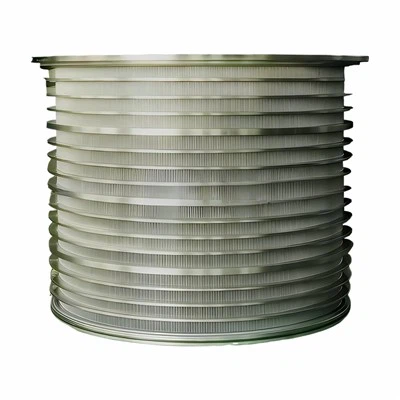
Separator categories refer to a diverse range of equipment designed to separate different components of a mixture. These separators are used in industries such as manufacturing, food processing, wastewater treatment, and more. Some common types of separators include centrifugal separators, magnetic separators, and gravity separators. Each type has its own unique working principle and is suitable for specific separation tasks.
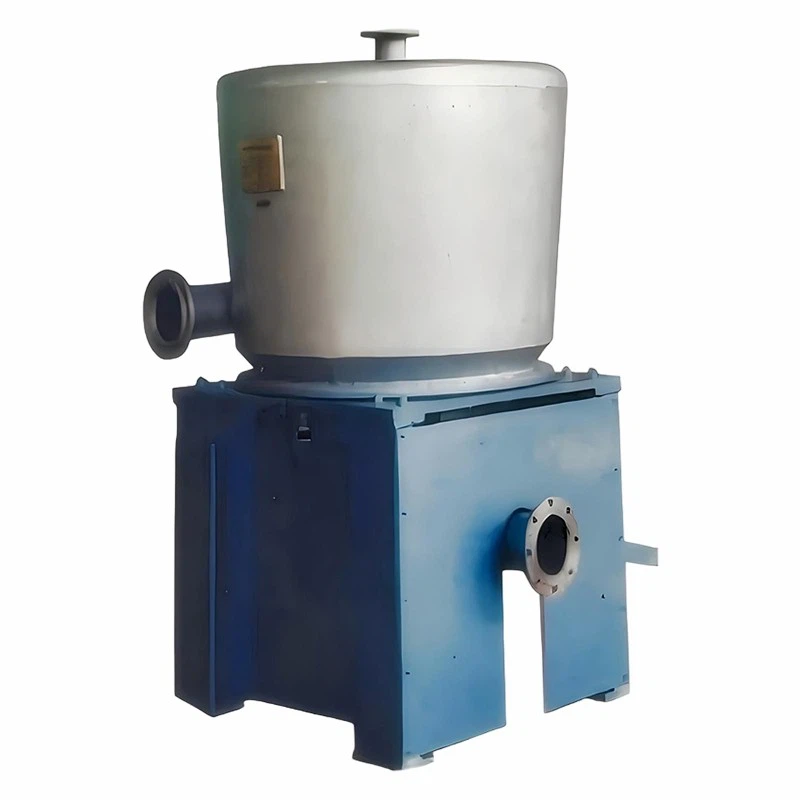
In our product portfolio, we offer specialized separators like the Float Purger and the Reject Separator. The Float Purger is designed to remove floating contaminants from liquid streams, while the Reject Separator is used to separate unwanted solid particles from a mixture.
The Integration of Separator Categories with Cloud - Based Systems
In a cloud - based environment, separator categories can be integrated in several ways. Firstly, sensors can be installed on the separators to collect real - time data about their operation. This data includes parameters such as temperature, pressure, flow rate, and separation efficiency. The sensors then transmit this data to the cloud via a secure network connection.
Once the data is in the cloud, it can be analyzed using advanced analytics tools. These tools can detect patterns, predict potential failures, and optimize the performance of the separators. For example, if the analytics show that a separator's efficiency is decreasing over time, the system can alert maintenance personnel to perform preventive maintenance.
Another aspect of integration is remote monitoring and control. Through a cloud - based platform, operators can monitor the status of separators from anywhere in the world. They can view real - time data, adjust operating parameters, and even start or stop the separators remotely. This feature is particularly useful for companies with multiple facilities or for those that require continuous monitoring of their separation processes.

Benefits of Using Separator Categories in a Cloud - Based Environment
Enhanced Efficiency
Cloud - based analytics can optimize the operation of separators by adjusting parameters in real - time. For instance, if the incoming mixture has a higher concentration of contaminants, the system can automatically increase the separation speed or adjust the settings of the separator to ensure maximum efficiency. This reduces energy consumption and improves the overall throughput of the separation process.
Predictive Maintenance
By analyzing the data collected from sensors, the cloud - based system can predict when a separator is likely to fail. This allows companies to schedule maintenance in advance, reducing downtime and avoiding costly repairs. Predictive maintenance also extends the lifespan of the separators, as potential issues can be addressed before they cause significant damage.
Data - Driven Decision Making
The wealth of data collected from separators in a cloud - based environment provides valuable insights for decision - making. Managers can use this data to evaluate the performance of different separators, compare the efficiency of various processes, and make informed decisions about future investments in separation technology.
Scalability
Cloud - based systems offer scalability, which means that as a company grows or its separation needs change, the system can easily adapt. Additional sensors can be added to more separators, and the analytics tools can handle larger volumes of data without significant infrastructure upgrades.
Practical Applications
Manufacturing Industry
In the manufacturing industry, separators are used to separate impurities from raw materials and finished products. For example, in the metalworking industry, magnetic separators are used to remove ferrous particles from coolant fluids. By integrating these separators with a cloud - based system, manufacturers can ensure that the coolant fluids are always clean, reducing tool wear and improving the quality of the finished products.
Food Processing Industry
In the food processing industry, separators are used to separate solids from liquids, such as in the production of fruit juices and dairy products. The cloud - based monitoring and control system can ensure that the separation process meets strict quality and safety standards. For example, it can monitor the temperature and pressure during the separation process to prevent spoilage and ensure the consistency of the final product.

Wastewater Treatment
In wastewater treatment plants, separators are used to remove solids and contaminants from water. The cloud - based system can optimize the operation of these separators, reducing the amount of energy required for treatment and improving the quality of the treated water. It can also provide real - time data on the performance of the treatment process, allowing operators to make adjustments as needed.
Challenges and Solutions
While the integration of separator categories with cloud - based systems offers numerous benefits, there are also some challenges. One of the main challenges is data security. Since the data collected from separators contains sensitive information about the operation of the equipment and the company's processes, it must be protected from unauthorized access. To address this issue, companies can implement strong encryption protocols, access controls, and regular security audits.

Another challenge is the reliability of the network connection. A stable network is essential for the real - time transmission of data from the separators to the cloud. To ensure reliability, companies can use redundant network connections and backup power sources for the sensors and communication devices.
Conclusion
In conclusion, separator categories work effectively in a cloud - based environment by leveraging real - time data collection, advanced analytics, remote monitoring, and control. The integration of these technologies offers significant benefits, including enhanced efficiency, predictive maintenance, data - driven decision making, and scalability. Despite the challenges, with proper security measures and reliable network infrastructure, the combination of separator categories and cloud - based systems can revolutionize industrial separation processes.
If you are interested in exploring how our separator categories can be integrated into your cloud - based environment to improve your business operations, we invite you to reach out for a procurement discussion. Our team of experts is ready to assist you in finding the best solutions for your specific needs.
References
- "Industrial Separation Processes: Principles and Practice" by R. W. Rousseau.
- "Cloud Computing: Concepts, Technology & Architecture" by Thomas Erl, Zaigham Mahmood, and Ricardo Puttini.
- "Sensor Technology Handbook" by Jon Wilson.