In the realm of industrial operations, the core machine often takes center stage. However, it's the ancillary equipment that plays a crucial role in enhancing the overall functionality, efficiency, and productivity of these machines. As a leading supplier of ancillary equipment, I've witnessed firsthand how these seemingly secondary components can make a world of difference.


Understanding Ancillary Equipment
Ancillary equipment refers to the supplementary devices or systems that are used in conjunction with a main machine to support its operation. These can range from simple tools to complex automated systems. They are designed to perform specific tasks that either complement the main machine's function or address limitations that the main machine may have. For example, in a manufacturing plant, a conveyor belt can be considered ancillary equipment for a production line. It helps in transporting raw materials and finished products, thereby streamlining the overall manufacturing process.
Enhancing Efficiency
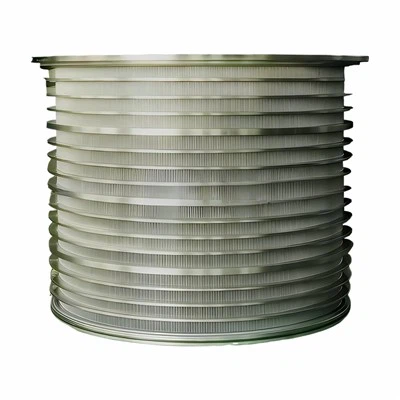
One of the primary ways ancillary equipment enhances the functionality of a machine is by improving efficiency. Take, for instance, the Paper Machine Ragger. In a paper manufacturing process, a paper machine is the core equipment responsible for producing paper from pulp. However, the process can be hindered by the accumulation of pulp and debris on the machine's wires and rolls. A paper machine ragger is specifically designed to remove these accumulations quickly and effectively. By doing so, it reduces the downtime of the paper machine, allowing it to operate continuously at a high rate. This not only increases the production capacity of the paper machine but also reduces the labor and time required for manual cleaning.
Similarly, the Paper Machine Grapple and Paper Machine Grapple are essential ancillary devices for paper mills. They are used to handle large rolls of paper during the manufacturing and transportation processes. These grapples are designed to grip the rolls securely and precisely, allowing for easy and safe movement. This eliminates the need for manual handling, which is not only time - consuming but also poses a risk of injury to workers. By automating the handling process, the paper machine grapple significantly improves the efficiency of the paper mill.
Improving Quality
Ancillary equipment also plays a vital role in improving the quality of the products produced by the main machine. In the food processing industry, for example, a sorting and grading machine can be an important ancillary device for a packaging machine. The sorting and grading machine uses advanced sensors and algorithms to separate products based on their size, shape, color, and quality. This ensures that only the highest - quality products are sent to the packaging machine, resulting in a more consistent and superior final product.
In the metalworking industry, a coolant system can be considered ancillary equipment for a machining center. The coolant system helps to keep the cutting tools and the workpiece at an optimal temperature during the machining process. By reducing the heat generated during cutting, it prevents the tools from overheating and wearing out quickly. This leads to a smoother cutting operation, better surface finish of the workpiece, and higher dimensional accuracy.
Ensuring Safety
Safety is a top priority in any industrial setting, and ancillary equipment can significantly enhance the safety of machine operations. In the construction industry, a safety guardrail system can be an ancillary device for a crane. The guardrail system provides a physical barrier around the crane's operating area, preventing unauthorized personnel from entering and reducing the risk of accidents.
In the chemical industry, a ventilation system is an important ancillary equipment for chemical reactors. The ventilation system helps to remove harmful fumes and gases from the reactor area, protecting the workers from exposure to toxic substances. It also helps to maintain a safe working environment by preventing the accumulation of flammable or explosive gases.
Customization and Flexibility
Another advantage of ancillary equipment is its ability to provide customization and flexibility to machine operations. As a supplier, we understand that different industries and applications have unique requirements. That's why we offer a wide range of ancillary equipment that can be customized to fit specific needs.
For example, in the automotive manufacturing industry, a robotic welding system can be customized to perform different welding tasks on various car models. By programming the robot to follow specific welding patterns and paths, it can adapt to the changing production requirements. This flexibility allows manufacturers to produce a diverse range of products with the same main machine, increasing their competitiveness in the market.
Cost - Effectiveness
Investing in ancillary equipment can also be cost - effective in the long run. While the initial cost of purchasing and installing ancillary equipment may seem high, the benefits it brings in terms of increased efficiency, improved quality, and reduced downtime can far outweigh the costs.
For example, a preventive maintenance system can be an ancillary device for a large - scale industrial machine. The system uses sensors and monitoring software to detect potential problems in the machine before they cause a breakdown. By performing timely maintenance, it reduces the cost of major repairs and extends the lifespan of the machine. This not only saves money but also ensures the continuous operation of the production line.
Conclusion
In conclusion, ancillary equipment is an indispensable part of modern industrial operations. It enhances the functionality of a machine in multiple ways, including improving efficiency, enhancing quality, ensuring safety, providing customization, and being cost - effective. As a supplier of ancillary equipment, we are committed to providing high - quality products that meet the diverse needs of our customers.
If you are looking to enhance the functionality of your machines, we invite you to contact us for a detailed discussion. Our team of experts will work with you to understand your specific requirements and recommend the most suitable ancillary equipment for your operations. Let's work together to take your business to the next level.
References
- Smith, J. (2020). Industrial Equipment Handbook. Publisher XYZ.
- Brown, A. (2019). The Role of Ancillary Devices in Manufacturing. Journal of Industrial Engineering, 25(3), 123 - 135.
- Green, C. (2018). Safety in Industrial Operations with Ancillary Equipment. Safety Science Journal, 30(2), 89 - 98.