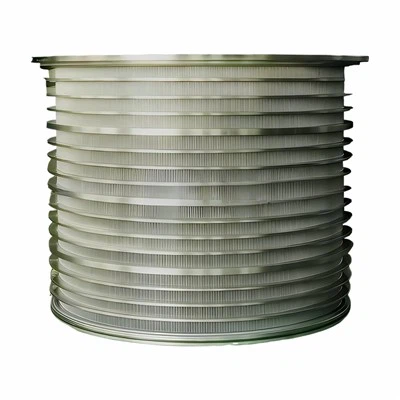
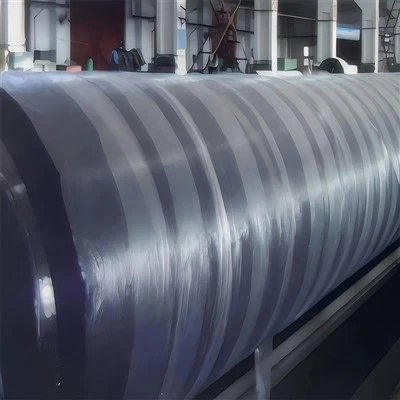
Hey there! As a supplier of H.C. Bleaching Towers, I've been getting quite a few questions lately about how to adjust the production capacity of these towers. It's a hot topic, and I'm here to share some practical tips and insights based on my experience in the industry.
Understanding the Basics
First off, let's talk about what the H.C. Bleaching Tower is and why adjusting its production capacity matters. The H.C. Bleaching Tower is a crucial piece of equipment in the pulp and paper industry. It's used to bleach pulp to the desired brightness level. Adjusting its production capacity can help you meet market demands, improve efficiency, and reduce costs.
The production capacity of an H.C. Bleaching Tower depends on several factors, including the tower's design, the properties of the pulp, the bleaching chemicals used, and the operating conditions. For example, if you're dealing with a high-quality pulp that's easier to bleach, you might be able to increase the production capacity. On the other hand, if the pulp is more difficult to bleach, you may need to reduce the capacity to ensure the desired brightness level is achieved.
Factors Affecting Production Capacity
- Pulp Quality: As mentioned earlier, the quality of the pulp plays a significant role. Pulp with a lower lignin content is generally easier to bleach and can be processed at a higher rate. You can analyze the pulp's properties regularly to determine the optimal production capacity.
- Bleaching Chemicals: The type and amount of bleaching chemicals used also affect the production capacity. Different chemicals have different bleaching efficiencies, and the right combination can help you achieve the desired results more quickly. For example, chlorine dioxide is a popular bleaching agent because it's effective and environmentally friendly.
- Operating Conditions: Temperature, pressure, and residence time are important operating conditions. Higher temperatures can speed up the bleaching process, but they also increase the risk of pulp degradation. You need to find the right balance to optimize the production capacity.
Adjusting the Production Capacity
Now that we've covered the factors affecting production capacity, let's talk about how to adjust it.
1. Modify the Feed Rate
One of the simplest ways to adjust the production capacity is to change the feed rate of the pulp. If you want to increase the capacity, you can increase the feed rate. However, you need to make sure that the tower can handle the additional load. You may need to adjust other parameters, such as the flow rate of the bleaching chemicals, to maintain the desired bleaching efficiency.
2. Optimize the Bleaching Process
Another way to increase the production capacity is to optimize the bleaching process. This can involve using more efficient bleaching chemicals, adjusting the chemical dosages, or changing the operating conditions. For example, you can try increasing the temperature slightly to speed up the bleaching reaction, but make sure to monitor the pulp quality closely.
3. Upgrade the Equipment
If you find that you need to significantly increase the production capacity, you may need to upgrade the H.C. Bleaching Tower or other related equipment. This could include installing a larger tower, improving the mixing system, or adding additional bleaching stages. Upgrading the equipment can be a significant investment, but it can also pay off in the long run by increasing efficiency and reducing costs.


The Role of Related Equipment
It's important to note that the H.C. Bleaching Tower doesn't work in isolation. Other equipment in the pulp and paper production line also plays a role in determining the overall production capacity. For example, the Mac-Cell Flotation Machine is used for deinking and can affect the quality of the pulp entering the bleaching tower. A well-functioning flotation machine can ensure that the pulp is clean and ready for bleaching, which can help increase the production capacity of the bleaching tower.
Similarly, the Heating Screw Conveyor is used to heat the pulp before it enters the bleaching tower. Proper heating can improve the bleaching efficiency and allow for a higher production capacity. And the Paper Machine AGITATOR helps to mix the pulp and chemicals evenly, which is essential for achieving consistent bleaching results.
Monitoring and Control
Once you've adjusted the production capacity of the H.C. Bleaching Tower, it's important to monitor and control the process to ensure that everything is working as expected. You can use sensors and control systems to monitor parameters such as temperature, pressure, flow rate, and pulp quality. If any issues arise, you can make adjustments quickly to prevent downtime and maintain the desired production capacity.
Conclusion
Adjusting the production capacity of the H.C. Bleaching Tower is a complex but achievable task. By understanding the factors affecting production capacity, making appropriate adjustments to the feed rate, optimizing the bleaching process, and upgrading the equipment if necessary, you can increase the efficiency and profitability of your pulp and paper production. And don't forget about the role of related equipment like the Mac-Cell Flotation Machine, Heating Screw Conveyor, and Paper Machine AGITATOR.
If you're interested in learning more about our H.C. Bleaching Towers or need help adjusting the production capacity, feel free to reach out to us. We're here to assist you with all your pulp and paper equipment needs and look forward to discussing how we can work together to optimize your production process.
References
- Pulp and Paper Industry Handbook, various editions
- Research papers on pulp bleaching technology from industry - leading journals