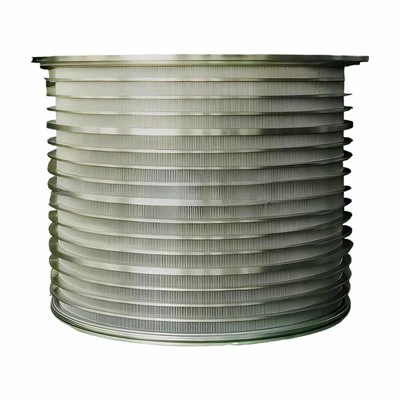
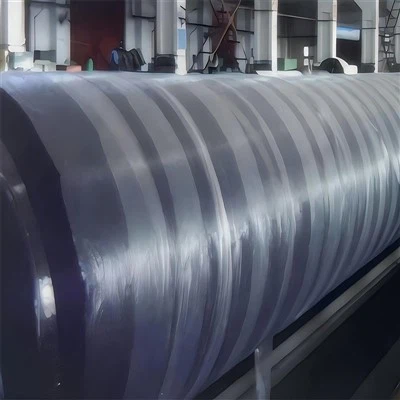
As a supplier of refining equipment, I understand that the issue of waste generated by refining equipment is a significant concern for many industries. Refining processes, whether in the pulp and paper, food, or chemical sectors, often produce various types of waste that need to be managed effectively. In this blog post, I will share some strategies and best practices on how to handle waste generated by refining equipment.
Understanding the Types of Waste from Refining Equipment
Before we delve into waste - handling methods, it's crucial to understand the different types of waste that can be produced by refining equipment.
- Solid Waste: This includes by - products such as spent filter media, broken parts from the refining equipment, and solid residues left after the refining process. For example, in a pulp and paper refining process, solid waste can be in the form of bark, knots, and other wood debris that are removed during the refining stage.
- Liquid Waste: Liquid waste can be highly variable in nature. It may contain chemicals used in the refining process, suspended solids, and dissolved substances. In the food industry, liquid waste from refining equipment might contain fats, oils, and proteins. In the chemical industry, it could include solvents, acids, or bases.
- Gaseous Waste: Some refining processes generate gaseous waste. For instance, in the refining of fossil fuels, gases like sulfur dioxide, nitrogen oxides, and carbon monoxide can be emitted during the refining operations.
Minimizing Waste Generation
The first step in handling waste from refining equipment is to minimize its generation in the first place.
- Process Optimization: Regularly review and optimize the refining processes. By adjusting parameters such as temperature, pressure, and flow rate, it is possible to increase the efficiency of the refining process and reduce waste. For example, in a DD Series Double Disc REfiner, proper adjustment of the disc gap and rotational speed can improve the refining quality while reducing the production of waste fibers.
- Equipment Maintenance: Well - maintained equipment is less likely to produce waste. Regularly inspect and service refining equipment to ensure that all components are working properly. For example, a worn - out blade in a KZM Series Conical Refiner can lead to inefficient refining and increased waste generation. Replace parts as needed and follow the manufacturer's maintenance schedule.
- Raw Material Selection: Choose high - quality raw materials. High - grade raw materials often result in less waste during the refining process. For example, using clean and uniform wood chips in a pulp refining process can reduce the amount of solid waste generated.
Recycling and Reusing Waste
Once waste is generated, recycling and reusing are effective ways to handle it.
- Solid Waste Recycling: Solid waste from refining equipment can often be recycled. For example, in the pulp and paper industry, spent filter media can sometimes be recycled into other paper products or used as a source of fuel. Broken parts from the refining equipment can be repaired and reused or sent to a recycling facility to recover valuable metals.
- Liquid Waste Treatment and Reuse: Liquid waste can be treated to remove contaminants and then reused in the refining process. For example, in some chemical refining processes, treated wastewater can be used as a coolant or for cleaning purposes. Advanced treatment technologies such as filtration, sedimentation, and chemical precipitation can be employed to treat liquid waste.
- Gaseous Waste Recovery: In some cases, gaseous waste can be recovered and used. For example, in the refining of natural gas, carbon dioxide can be captured and used in enhanced oil recovery operations or in the production of chemicals.
Proper Disposal of Non - Recyclable Waste
Despite our best efforts to minimize and recycle waste, there will always be some non - recyclable waste that needs to be disposed of properly.
- Landfill Disposal: For solid waste that cannot be recycled or reused, landfill disposal may be an option. However, it is important to ensure that the landfill meets all environmental regulations. The waste should be properly classified and treated before being sent to the landfill to prevent environmental contamination.
- Incineration: In some cases, incineration can be used to dispose of certain types of waste, especially those that are organic or contain high - energy content. However, incineration must be carried out in a controlled environment to minimize air pollution. The emissions from the incinerator should be monitored and treated to meet environmental standards.
Regulatory Compliance
It is essential to comply with all local, national, and international regulations regarding waste handling. Regulatory requirements can vary significantly depending on the type of waste and the industry.
- Stay Informed: Keep up - to - date with the latest environmental regulations. Join industry associations and subscribe to regulatory updates to ensure that your waste - handling practices are in line with the law.
- Documentation: Maintain proper documentation of all waste - handling activities, including waste generation, recycling, and disposal. This documentation can be used to demonstrate compliance during regulatory inspections.
Training and Education
Proper training and education of employees are crucial for effective waste handling.
- Operator Training: Train operators on the proper operation and maintenance of refining equipment to minimize waste generation. They should also be educated on the importance of waste management and the correct procedures for handling different types of waste.
- Waste Management Training: Provide comprehensive training on waste management practices, including recycling, reuse, and proper disposal methods. This training can help employees make informed decisions about waste handling in the workplace.
Case Studies
Let's take a look at some real - world examples of how companies have successfully handled waste generated by refining equipment.
- Pulp and Paper Company: A pulp and paper company implemented a comprehensive waste - management program. They optimized their refining processes using a KTF Refiner, which reduced the waste fiber production by 20%. They also recycled their solid waste into low - grade paper products and treated their liquid waste for reuse in the process. As a result, they were able to significantly reduce their overall waste disposal costs and environmental impact.
- Food Refining Company: A food refining company installed advanced filtration systems to treat their liquid waste. They were able to recover valuable fats and oils from the waste, which were then reused in the production process. This not only reduced waste but also increased the company's profitability.
Conclusion
Handling waste generated by refining equipment is a complex but essential task. By minimizing waste generation, recycling and reusing waste, properly disposing of non - recyclable waste, complying with regulations, and providing training to employees, companies can effectively manage their waste and reduce their environmental impact.
If you are interested in learning more about our refining equipment and how it can help you manage waste more effectively, or if you are considering purchasing our products, please feel free to contact us for a detailed discussion. We are committed to providing high - quality refining equipment and comprehensive waste - management solutions to meet your needs.


References
- Smith, J. (2018). Waste Management in the Refining Industry. Journal of Environmental Science and Technology.
- Brown, A. (2019). Best Practices for Recycling Waste from Industrial Refining Processes. Industrial Waste Journal.
- Green, C. (2020). Regulatory Compliance in Waste Handling for Refining Equipment. Environmental Law Review.