The cosmetic industry is a dynamic and ever - evolving sector that thrives on innovation, quality, and precision. Among the many types of equipment that play a crucial role in this industry, sizing equipment stands out as an essential component. As a sizing equipment supplier, I have witnessed firsthand how these machines contribute to the success of cosmetic production processes. In this blog post, I will explore the various applications of sizing equipment in the cosmetic industry.
1. Precise Ingredient Measurement
One of the primary applications of sizing equipment in the cosmetic industry is precise ingredient measurement. Cosmetics are formulated using a wide range of ingredients, including oils, waxes, emulsifiers, pigments, and fragrances. Each ingredient must be added in the exact quantity to ensure the quality, consistency, and performance of the final product.
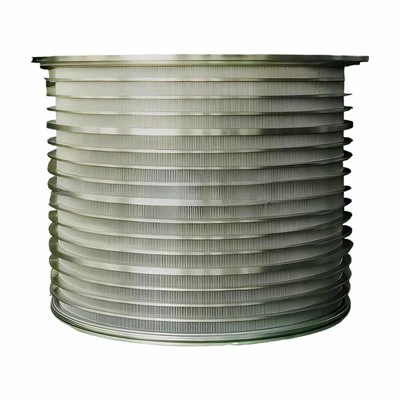
Sizing machines, such as the 5600/550 Sizing Machine, are designed to accurately measure and dispense ingredients. These machines use advanced sensors and control systems to ensure that the right amount of each ingredient is added to the formulation. For example, in the production of lipsticks, precise measurement of waxes, oils, and pigments is crucial. Too much or too little of any ingredient can affect the texture, color, and durability of the lipstick. Sizing equipment helps to eliminate human error and ensures that each batch of lipsticks meets the desired quality standards.
2. Homogeneous Blending
Another important application of sizing equipment is in achieving homogeneous blending of ingredients. Cosmetic products need to have a uniform texture and appearance, which requires thorough mixing of all the components. Sizing machines can be equipped with specialized mixing mechanisms that ensure efficient blending of ingredients.
The 5800/800 Sizing Machine is capable of handling different types of ingredients with varying viscosities and densities. It can break down clumps and disperse solid particles evenly throughout the liquid phase. In the production of lotions and creams, for instance, sizing equipment ensures that the oil and water phases are properly emulsified, resulting in a smooth and consistent product. Homogeneous blending not only improves the aesthetic appeal of the cosmetic but also enhances its performance. A well - blended lotion will absorb more evenly into the skin, providing better moisturization and other benefits.
3. Product Standardization
Sizing equipment plays a vital role in product standardization in the cosmetic industry. Consumers expect consistency in the quality, appearance, and performance of their favorite cosmetic products. By using sizing machines, manufacturers can ensure that each batch of products meets the same specifications.
These machines are programmed to follow specific recipes and production parameters. They can maintain a constant flow rate, temperature, and pressure during the production process, which are essential factors for product standardization. For example, in the production of foundation makeup, sizing equipment ensures that the color, coverage, and texture are consistent across all batches. This consistency builds consumer trust and loyalty, as customers know what to expect from the product every time they purchase it.
4. Filling and Packaging
Sizing equipment is also widely used in the filling and packaging stage of cosmetic production. After the cosmetic product is formulated and blended, it needs to be accurately filled into containers such as bottles, jars, tubes, or compacts.
Sizing machines can be integrated with filling systems to ensure precise filling volumes. They can handle different types of containers and adjust the filling process accordingly. For example, in the filling of perfume bottles, sizing equipment ensures that each bottle is filled to the correct level, preventing over - filling or under - filling. Additionally, sizing equipment can also be used in the packaging process to ensure that labels are applied accurately and that the products are properly sealed. This helps to maintain the integrity of the product during storage and transportation.
5. Quality Control
Quality control is a critical aspect of the cosmetic industry, and sizing equipment contributes significantly to this process. These machines can be equipped with sensors and monitoring systems that detect any deviations from the set production parameters.


For example, if the flow rate of an ingredient is too high or too low during the formulation process, the sizing machine can alert the operator. It can also measure the temperature, pressure, and other variables in real - time and make adjustments as needed. In addition, sizing equipment can perform in - line quality checks, such as measuring the viscosity and density of the product. By detecting and correcting any issues early in the production process, sizing equipment helps to prevent the production of defective products, reducing waste and improving overall efficiency.
6. Research and Development
In the research and development (R&D) phase of the cosmetic industry, sizing equipment is indispensable. Cosmetic companies are constantly innovating and developing new products to meet the changing needs and preferences of consumers.
Sizing machines allow R&D teams to experiment with different formulations and ingredients. They can precisely measure small quantities of ingredients to test new product ideas. For example, a company may be developing a new anti - aging serum. Sizing equipment can be used to create small batches of the serum with different concentrations of active ingredients. This allows the R&D team to evaluate the effectiveness of each formulation and make adjustments as needed. Once a successful formulation is developed, sizing equipment can then be used to scale up the production process.
7. Cost - Efficiency
From a business perspective, sizing equipment offers significant cost - efficiency benefits to cosmetic manufacturers. By ensuring precise ingredient measurement and reducing waste, these machines help to optimize the use of raw materials.
For example, in the production of a high - end skincare product, the ingredients can be quite expensive. Sizing equipment ensures that the exact amount of each ingredient is used, minimizing over - usage and reducing costs. Additionally, by improving product quality and standardization, sizing equipment helps to reduce the number of rejected products. This means less rework and lower production costs in the long run.
8. Compliance with Regulations
The cosmetic industry is subject to strict regulations regarding product safety and quality. Sizing equipment helps manufacturers to comply with these regulations.
These machines can be designed to meet the requirements of various regulatory bodies. For example, they can be made from materials that are safe for contact with cosmetic products and can be easily cleaned and sanitized to prevent contamination. By using sizing equipment, manufacturers can ensure that their products meet the safety and quality standards set by regulatory authorities, avoiding costly fines and recalls.
Conclusion
In conclusion, sizing equipment is an essential part of the cosmetic industry, with a wide range of applications. From precise ingredient measurement and homogeneous blending to product standardization, filling and packaging, quality control, research and development, cost - efficiency, and regulatory compliance, these machines contribute to every stage of the cosmetic production process.
As a sizing equipment supplier, I am committed to providing high - quality, reliable, and innovative sizing solutions to the cosmetic industry. Our 5600/550 Sizing Machine and 5800/800 Sizing Machine are designed to meet the diverse needs of cosmetic manufacturers. If you are in the cosmetic industry and looking for efficient and effective sizing equipment, I encourage you to reach out to us for a consultation. We can help you find the right sizing solution for your specific production requirements.
References
- Cosmetic Science and Technology, Third Edition, edited by Gerald A. Berthiaume and Norman J. Lowe.
- Handbook of Cosmetic Science and Technology, Fourth Edition, edited by Albert M. Kligman, Howard I. Maibach, and Peter A. Elias.
- The Chemistry and Manufacture of Cosmetics, Fourth Edition, by Arthur W. Martin and John W. Haycock.