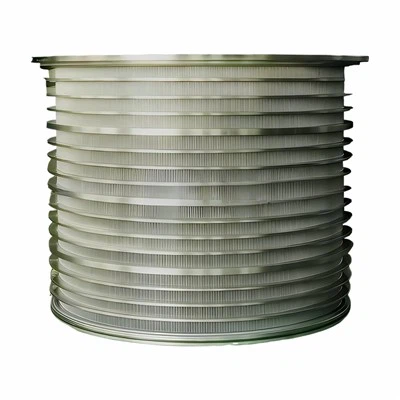
As a trusted supplier of Toothed Deflakers, I understand the importance of ensuring that your equipment operates at its best. One crucial aspect of maintaining the efficiency and reliability of a Toothed Deflaker is the proper installation of vibration sensors. In this blog post, I will guide you through the process of installing a vibration sensor on a Toothed Deflaker, offering insights based on my experience in the industry.
Understanding the Role of Vibration Sensors in Toothed Deflakers
Before delving into the installation process, it's essential to understand why vibration sensors are so important for Toothed Deflakers. A Toothed Deflaker is a key piece of equipment in the pulp and paper industry, used to break up pulp bundles and improve the quality of the pulp. During operation, the Toothed Deflaker experiences various mechanical vibrations. These vibrations can be an indicator of the machine's health. Unusual vibrations may suggest issues such as misalignment, bearing wear, or imbalance, which can lead to reduced performance, increased energy consumption, and even costly breakdowns.
Vibration sensors continuously monitor the vibration levels of the Toothed Deflaker. By analyzing the vibration data, operators can detect early signs of potential problems, allowing for timely maintenance and repairs. This proactive approach helps to minimize downtime, extend the lifespan of the equipment, and ensure consistent product quality.
Selecting the Right Vibration Sensor
The first step in installing a vibration sensor on a Toothed Deflaker is to select the appropriate sensor. There are several types of vibration sensors available on the market, each with its own characteristics and applications. The most common types include accelerometers, velocity sensors, and displacement sensors.
- Accelerometers: These sensors measure the acceleration of the vibration. They are highly sensitive and can detect a wide range of frequencies, making them suitable for detecting high-frequency vibrations caused by issues such as bearing defects or gear mesh problems.
- Velocity Sensors: Velocity sensors measure the velocity of the vibration. They are often used for monitoring low to medium-frequency vibrations and are particularly useful for detecting imbalances and misalignments.
- Displacement Sensors: These sensors measure the displacement of the vibrating object. They are typically used for measuring large-scale vibrations and are useful for detecting issues such as shaft movement or structural instability.
When selecting a vibration sensor for your Toothed Deflaker, consider the following factors:
- Frequency Range: Choose a sensor that can measure the frequency range of the vibrations typically experienced by your Toothed Deflaker.
- Sensitivity: The sensor should be sensitive enough to detect small changes in vibration levels.
- Environmental Conditions: Consider the operating environment of the Toothed Deflaker, including temperature, humidity, and exposure to dust or chemicals. Select a sensor that is suitable for these conditions.
- Installation Requirements: Ensure that the sensor can be easily installed in the desired location on the Toothed Deflaker.
Preparing for Installation
Once you have selected the appropriate vibration sensor, it's time to prepare for the installation process. Here are the steps you should follow:
- Gather the Necessary Tools: You will need tools such as a drill, screwdriver, wrenches, and a torque wrench. Make sure you have all the tools required for the installation before you begin.
- Identify the Installation Location: The location of the vibration sensor is crucial for accurate measurement. Generally, the sensor should be installed as close as possible to the source of the vibration. For a Toothed Deflaker, common installation locations include the bearings, motor, and gearbox. However, the specific location may vary depending on the design of your Toothed Deflaker. Consult the manufacturer's documentation or seek advice from an experienced technician to determine the best installation location.
- Clean the Installation Surface: Before installing the sensor, clean the installation surface to ensure good contact between the sensor and the Toothed Deflaker. Use a clean cloth and a suitable cleaning agent to remove any dirt, grease, or debris from the surface.
- Check the Sensor and Mounting Hardware: Inspect the vibration sensor and the mounting hardware to ensure that they are in good condition. Check for any signs of damage or wear, and replace any defective parts if necessary.
Installing the Vibration Sensor
Now that you have prepared for the installation, it's time to install the vibration sensor on the Toothed Deflaker. Here are the general steps to follow:


- Mount the Sensor: Use the appropriate mounting hardware to attach the vibration sensor to the Toothed Deflaker at the selected installation location. Make sure the sensor is securely mounted and that there is no movement or play. Follow the manufacturer's instructions for tightening the mounting bolts to the recommended torque settings.
- Connect the Sensor Cables: Connect the sensor cables to the sensor and the data acquisition system. Make sure the connections are secure and that there are no loose wires. Follow the wiring diagram provided by the sensor manufacturer to ensure correct wiring.
- Calibrate the Sensor: After installing the sensor, it's important to calibrate it to ensure accurate measurement. Calibration involves adjusting the sensor to a known reference value. Follow the calibration procedure provided by the sensor manufacturer to calibrate the sensor.
- Test the Sensor: Once the sensor is installed and calibrated, test it to ensure that it is working properly. Use a vibration analyzer or a data acquisition system to monitor the vibration levels and check for any abnormal readings. If the sensor is not working properly, troubleshoot the issue and make the necessary adjustments.
Integrating the Vibration Sensor with the Monitoring System
After installing and testing the vibration sensor, the next step is to integrate it with the monitoring system. The monitoring system can be a dedicated vibration monitoring system or a part of a larger process control system. Here are the steps to follow:
- Configure the Monitoring System: Configure the monitoring system to accept the input from the vibration sensor. This may involve setting up the sensor parameters, such as the measurement range, sampling rate, and alarm thresholds.
- Set Up Alarms: Set up alarms in the monitoring system to alert operators when the vibration levels exceed the predefined thresholds. The alarms can be visual, audible, or both, depending on the requirements of your facility.
- Analyze the Data: Use the monitoring system to analyze the vibration data collected by the sensor. Look for trends, patterns, and anomalies in the data that may indicate potential problems. The monitoring system may provide features such as spectral analysis, time domain analysis, and trend analysis to help you analyze the data.
- Generate Reports: Generate reports based on the vibration data analysis. The reports can be used to track the performance of the Toothed Deflaker over time, identify areas for improvement, and make informed maintenance decisions.
Maintenance and Troubleshooting
Once the vibration sensor is installed and integrated with the monitoring system, it's important to perform regular maintenance to ensure its continued operation. Here are some maintenance tips:
- Inspect the Sensor Regularly: Check the sensor for any signs of damage or wear, such as loose connections, cracked cables, or damaged housing. Replace any defective parts immediately.
- Clean the Sensor: Clean the sensor periodically to remove any dirt, dust, or debris that may accumulate on the sensor. Use a clean cloth and a suitable cleaning agent to clean the sensor.
- Calibrate the Sensor Regularly: Calibrate the sensor at regular intervals to ensure accurate measurement. The calibration interval may vary depending on the type of sensor and the operating conditions of the Toothed Deflaker. Consult the sensor manufacturer's recommendations for the calibration interval.
If you encounter any problems with the vibration sensor, here are some troubleshooting steps you can take:
- Check the Connections: Make sure all the connections between the sensor and the data acquisition system are secure. Check for any loose wires or damaged connectors.
- Verify the Sensor Installation: Ensure that the sensor is installed correctly and that there is no movement or play. Check the mounting bolts to make sure they are tightened to the recommended torque settings.
- Check the Power Supply: Make sure the sensor is receiving power. Check the power supply cables and connections for any issues.
- Consult the Manufacturer's Documentation: If you are unable to troubleshoot the problem on your own, consult the sensor manufacturer's documentation or contact their technical support team for assistance.
Conclusion
Installing a vibration sensor on a Toothed Deflaker is an important step in ensuring the efficient and reliable operation of the equipment. By following the steps outlined in this blog post, you can install the sensor correctly, integrate it with the monitoring system, and perform regular maintenance to keep it working properly. If you have any questions or need further assistance with installing a vibration sensor on your Toothed Deflaker, please feel free to contact us. We are a leading supplier of Toothed Deflakers, KZM Series Conical Refiners, and KTF Refiners, and we are committed to providing our customers with high-quality products and excellent service. Whether you are looking to purchase a new Toothed Deflaker or need help with maintenance and installation, we are here to help. Contact us today to discuss your needs and explore how we can assist you in optimizing your pulp and paper production process.
References
- Manufacturer's documentation for the Toothed Deflaker
- Manufacturer's documentation for the vibration sensor
- Industry standards and guidelines for vibration monitoring in pulp and paper equipment