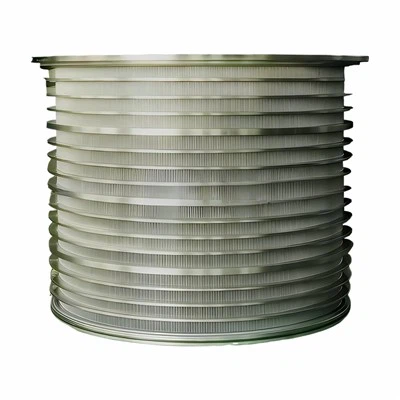
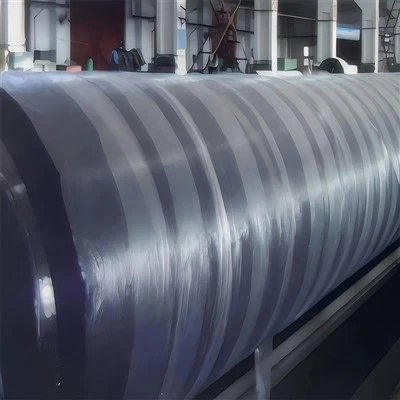
A dispersing system plays a pivotal role in various industries, and the water treatment field is no exception. As a reputable supplier of dispersing systems, we have witnessed firsthand the transformative impact these systems can have on water treatment processes. In this blog, we will explore the diverse applications of dispersing systems in the water treatment field, highlighting their benefits and real - world implications.
1. Coagulation and Flocculation Support
In water treatment, coagulation and flocculation are essential steps to remove suspended particles, colloids, and organic matter from water. A dispersing system can be used to ensure the uniform distribution of coagulants and flocculants in the water.


When coagulants such as aluminum sulfate or ferric chloride are added to water, they need to be thoroughly mixed to react effectively with the contaminants. Our dispersing systems can generate high - shear forces that break up the coagulant particles and disperse them evenly throughout the water. This uniform distribution leads to more efficient coagulation, as each coagulant molecule has a better chance of coming into contact with the particles to be removed.
Flocculation, which follows coagulation, involves the formation of larger flocs from the coagulated particles. Dispersing systems can help in this process by gently mixing the water to promote floc growth. The high - energy mixing provided by our dispersing systems prevents the flocs from settling prematurely and encourages the formation of larger, more easily removable flocs. For example, in municipal water treatment plants, where large volumes of water need to be treated daily, our dispersing systems have significantly improved the efficiency of coagulation and flocculation processes, resulting in clearer water and reduced sludge production.
2. Removal of Oil and Grease
Oil and grease are common contaminants in industrial wastewater. They can form a layer on the water surface, preventing oxygen transfer and causing harm to aquatic life. Dispersing systems are effective in breaking down oil and grease into smaller droplets, which can then be more easily removed through subsequent treatment processes such as filtration or flotation.
Our dispersing systems use high - speed rotors and stators to create intense shear forces. These forces break the oil and grease into fine droplets, increasing the surface area of the oil and grease in contact with the water. Chemical agents can then be more effectively mixed with the dispersed oil and grease to promote their separation from the water. For instance, in refineries and food processing plants, our dispersing systems have been used to pre - treat wastewater containing high levels of oil and grease. By dispersing the oil and grease, the subsequent treatment processes are more efficient, and the overall water quality is improved.
3. Disinfection Enhancement
Disinfection is a crucial step in water treatment to eliminate harmful microorganisms such as bacteria, viruses, and protozoa. Chlorine, ozone, and ultraviolet (UV) light are commonly used disinfectants. However, the effectiveness of these disinfectants can be enhanced by using a dispersing system.
When chlorine is added to water, it needs to be evenly distributed to ensure complete disinfection. Our dispersing systems can rapidly mix chlorine with the water, reducing the time required for disinfection. In addition, for UV disinfection, a dispersing system can ensure that all parts of the water are exposed to the UV light by preventing the formation of stagnant zones. This is especially important in large - scale water treatment facilities, where uniform disinfection is essential to meet the strict water quality standards. For example, in swimming pool water treatment, our dispersing systems have been used to improve the disinfection efficiency, providing a safer and cleaner swimming environment.
4. Scale and Corrosion Control
In water treatment, scale and corrosion can cause significant problems in pipes, valves, and other equipment. Scale is formed when dissolved minerals such as calcium carbonate and magnesium sulfate precipitate out of the water. Corrosion, on the other hand, is the deterioration of metal surfaces due to chemical reactions with the water.
Dispersing systems can be used to disperse scale - inhibiting chemicals and corrosion - resistant agents in the water. These chemicals need to be evenly distributed to form a protective layer on the surfaces of the equipment. Our dispersing systems can ensure that the chemicals are well - mixed with the water, providing better protection against scale and corrosion. In industrial cooling water systems, where scale and corrosion can lead to reduced efficiency and increased maintenance costs, our dispersing systems have been proven to be effective in extending the lifespan of the equipment and improving the overall system performance.
5. Treatment of High - Turbidity Water
High - turbidity water contains a large amount of suspended solids, which can make the water appear cloudy and difficult to treat. Dispersing systems can be used to break down the large clumps of suspended solids into smaller particles, making them easier to remove through sedimentation or filtration.
Our high - shear dispersing systems can disrupt the structure of the suspended solids, reducing their size and increasing their surface charge. This makes the particles more likely to interact with coagulants and flocculants, leading to more efficient removal. In areas with natural disasters such as floods, where the water source may be highly turbid, our dispersing systems can be quickly deployed to help treat the water and provide clean drinking water.
6. Application of Specific Dispersing System Products
We offer a range of dispersing system products that are specifically designed for water treatment applications. The Paper Machine Kneader is a unique dispersing system that can be used in water treatment processes. It provides high - intensity mixing and kneading action, which is ideal for breaking down complex organic matter and ensuring the uniform distribution of chemicals in the water.
The Disc Heat - Disperser is another product in our portfolio. It can be used to heat and disperse substances in water treatment. The heat can enhance the chemical reactions and improve the efficiency of the treatment processes. For example, in the treatment of water containing certain types of pollutants that require elevated temperatures for effective removal, the Disc Heat - Disperser can be a valuable tool.
Conclusion
The applications of dispersing systems in the water treatment field are vast and diverse. From supporting coagulation and flocculation to enhancing disinfection and controlling scale and corrosion, these systems play a crucial role in ensuring the quality and safety of our water. As a leading supplier of dispersing systems, we are committed to providing high - quality products and solutions to meet the ever - evolving needs of the water treatment industry.
If you are interested in learning more about our dispersing systems or are considering purchasing them for your water treatment processes, we encourage you to contact us for a detailed discussion. Our team of experts will be happy to provide you with technical support and guidance to help you choose the most suitable dispersing system for your specific requirements.
References
- AWWA (American Water Works Association). Water Treatment Principles and Design. McGraw - Hill, 2012.
- Metcalf & Eddy. Wastewater Engineering: Treatment and Reuse. McGraw - Hill, 2014.
- USEPA (United States Environmental Protection Agency). Drinking Water Treatment Technologies: A Compendium of Methods and Technologies. EPA, 2018.