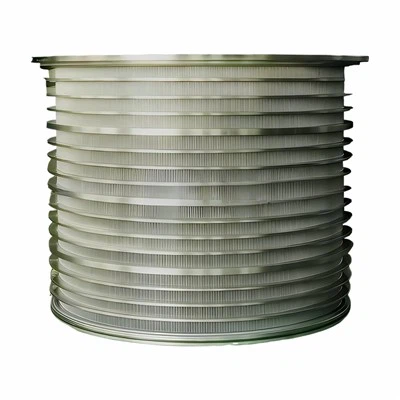
In the dynamic landscape of media and entertainment, separator categories play a pivotal role in enhancing the quality, efficiency, and overall experience of various processes. As a leading separator category supplier, we have witnessed firsthand the diverse applications and benefits that these technologies bring to the industry. In this blog post, we will explore the key applications of separator categories in media and entertainment, highlighting their significance and impact.
Content Creation and Production
One of the primary areas where separator categories find extensive use is in content creation and production. Whether it's film, television, video games, or digital media, the ability to separate and process different elements of content is crucial for achieving high - quality results.
Audio Separation
In audio production, separator technologies are used to isolate different sound sources. For example, in a music recording, it is often necessary to separate vocals, instruments, and background effects. Advanced separator algorithms can analyze the audio signal and extract individual components, allowing sound engineers to manipulate and enhance each element independently. This results in a more balanced and immersive audio experience for the audience.
In post - production for films and television, audio separation is essential for tasks such as dubbing, sound effects editing, and dialogue cleaning. By separating the audio tracks, editors can easily remove unwanted noise, adjust the volume levels, and synchronize the audio with the visual content. Our Float Purger technology can be applied in audio separation processes to ensure the purity and clarity of the audio signals, removing any floating or unwanted audio artifacts.
Video Separation
Video production also heavily relies on separator categories. In green screen or blue screen filming, the keying process is essentially a form of separation. Specialized software uses color separation techniques to isolate the foreground subject from the background. This allows for seamless integration of the subject into different virtual environments, creating visually stunning effects.
Moreover, in multi - camera shoots, separator technologies can be used to separate and synchronize different camera feeds. This is particularly important in live events, such as concerts and sports broadcasts, where multiple cameras capture different angles. By separating and aligning these feeds, producers can create a cohesive and engaging visual experience for the viewers. Our Reject Separator can be used to eliminate any unwanted video elements, such as glitches or artifacts, during the separation and processing of video content.
Distribution and Streaming
The distribution and streaming of media content have become increasingly important in the digital age. Separator categories play a vital role in optimizing the delivery of content to end - users.
Content Encoding and Compression
To ensure smooth streaming and efficient storage, media content needs to be encoded and compressed. Separator algorithms are used to analyze different components of the content, such as video frames, audio tracks, and metadata. By separating these elements, the encoding process can be optimized for each component, resulting in better compression ratios without significant loss of quality.
For example, in video encoding, different types of frames (I - frames, P - frames, and B - frames) can be separated and processed differently. This allows for more efficient use of bandwidth and storage space, making it possible to stream high - definition content even on limited - speed networks. Our separator technologies can be integrated into encoding systems to enhance the separation and processing of media components, improving the overall encoding efficiency.
Content Delivery Networks (CDNs)
CDNs are responsible for delivering media content to users around the world. Separator categories are used in CDNs to optimize the routing and delivery of content. By separating different types of content, such as static files (images, CSS, JavaScript) and dynamic content (videos, live streams), CDNs can cache and distribute the content more effectively.
This reduces the latency and improves the overall performance of the streaming service. Our separator solutions can be customized to work with CDNs, helping them to better manage and separate different media assets for faster and more reliable content delivery.
Audience Analytics and Engagement
Understanding the audience's behavior and preferences is crucial for media and entertainment companies. Separator categories are used in audience analytics to extract valuable insights from large amounts of data.
Data Separation
Media companies collect a vast amount of data from various sources, such as user interactions on websites, social media platforms, and streaming services. Separator algorithms are used to separate different types of data, such as demographic information, viewing habits, and engagement metrics.
By separating and analyzing this data, companies can gain a deeper understanding of their audience. For example, they can identify different user segments based on their viewing preferences and target them with personalized content recommendations. This improves the audience engagement and loyalty, leading to increased viewership and revenue.
Content Personalization
Based on the insights obtained from data separation, media and entertainment companies can personalize the content for their audience. Separator technologies can be used to separate different content elements and create customized playlists, recommendations, and advertisements.
For instance, a streaming service can use separator algorithms to analyze a user's viewing history and separate different genres of content. It can then recommend similar content that the user is likely to enjoy. This personalized approach enhances the user experience and makes the media service more attractive to the audience.
Virtual and Augmented Reality
Virtual reality (VR) and augmented reality (AR) are emerging technologies in the media and entertainment industry. Separator categories are essential for creating immersive and realistic experiences in these environments.
Spatial Separation
In VR and AR, spatial separation is crucial for creating a sense of depth and realism. Separator algorithms are used to separate different objects and elements in the virtual or augmented space. This allows for accurate placement and interaction of virtual objects with the real world or other virtual elements.
For example, in a VR game, the separator technology can separate the player's avatar from the surrounding environment, enabling smooth movement and interaction. In an AR application, it can separate the virtual objects from the real - world scene, ensuring that they are correctly overlaid and integrated.
Sensory Separation
To provide a more immersive experience, VR and AR systems also need to separate different sensory inputs. This includes separating visual, auditory, and haptic feedback. By separating these sensory elements, developers can create more realistic and engaging experiences.
For instance, in a VR horror game, the audio separation can be used to create a sense of suspense by separating the background music, sound effects, and the player's in - game actions. Our separator solutions can be adapted to meet the specific requirements of VR and AR applications, helping to enhance the separation and integration of different sensory elements.

Conclusion
As we have seen, separator categories have a wide range of applications in media and entertainment, from content creation and production to distribution, audience analytics, and emerging technologies like VR and AR. These technologies not only improve the quality and efficiency of media processes but also enhance the overall user experience.
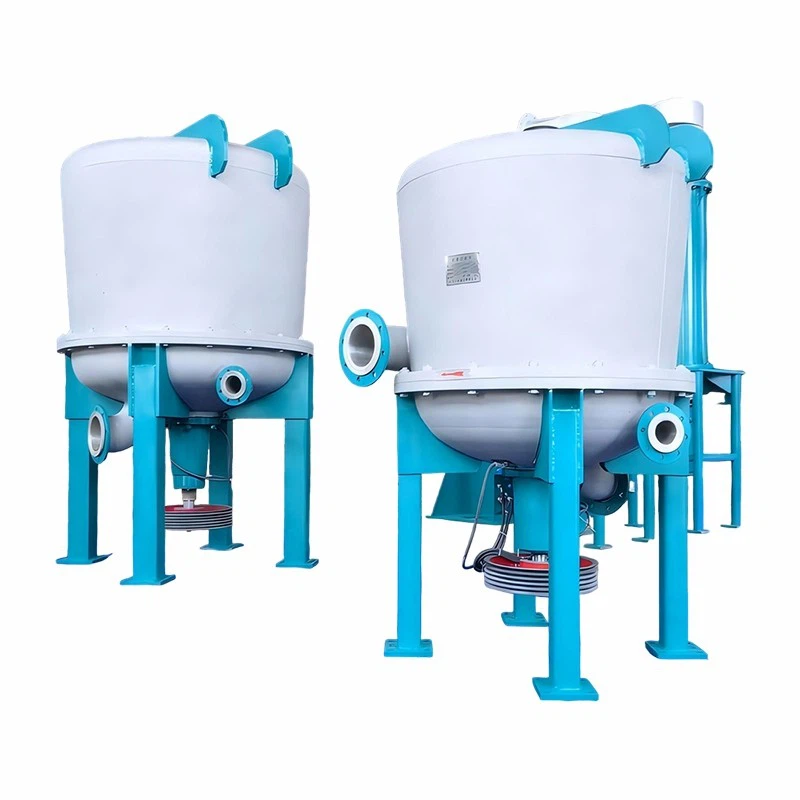
As a separator category supplier, we are committed to providing high - quality, innovative solutions that meet the evolving needs of the media and entertainment industry. Our products, such as the Float Purger and Reject Separator, are designed to offer reliable and effective separation capabilities.
If you are in the media and entertainment industry and are looking for separator solutions to enhance your operations, we invite you to contact us for a detailed discussion. Our team of experts will work closely with you to understand your specific requirements and provide customized solutions that fit your needs. Let's work together to take your media and entertainment projects to the next level.
References
- Smith, J. (2020). Media Technology Trends. New York: Media Press.
- Johnson, A. (2019). Audience Analytics in the Digital Age. London: Analytics Publishing.
- Brown, C. (2021). VR and AR in Entertainment. Los Angeles: Tech Books.