What are the control methods for a Toothed Deflaker?
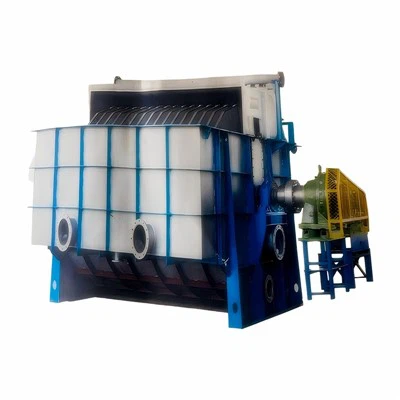
Hey there! As a supplier of toothed deflakers, I've had my fair share of experience with these amazing machines. Toothed deflakers play a crucial role in the pulp and paper industry by breaking up pulp bundles and improving the quality of the pulp. But to make them work at their best, we need proper control methods. So, let's dive into the world of toothed deflaker control.
1. Mechanical Control
One of the most basic control methods for a toothed deflaker is mechanical control. This involves adjusting the mechanical parts of the deflaker to optimize its performance.
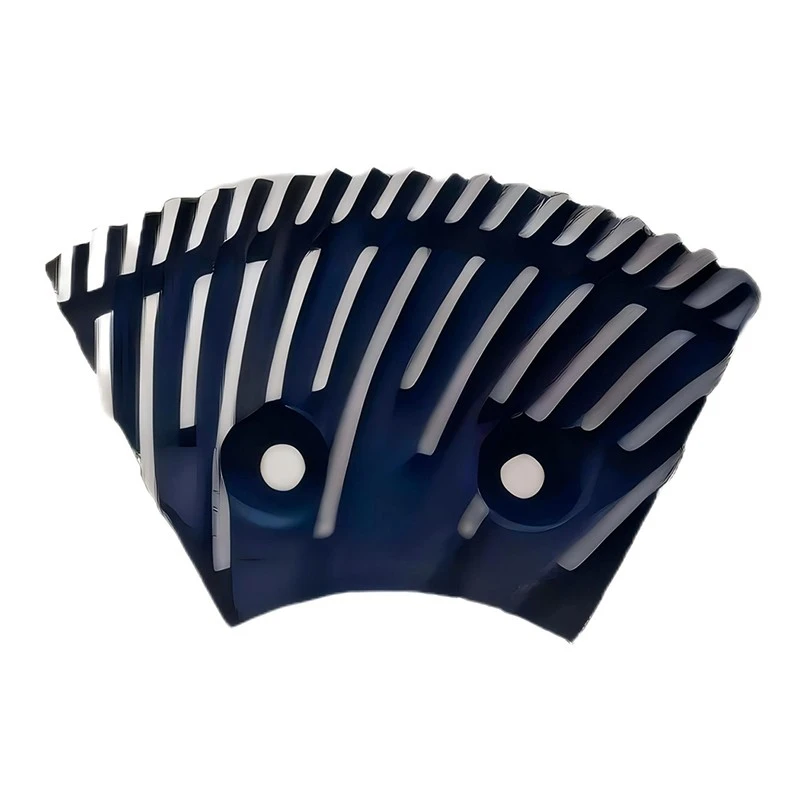
- Clearance Adjustment: The clearance between the rotating and stationary discs in the deflaker is super important. If the clearance is too large, the deflaking effect won't be good enough, and pulp bundles may not be broken up properly. On the other hand, if it's too small, it can cause excessive wear on the discs and even lead to jams. We usually use mechanical adjustment mechanisms to set the clearance accurately. For example, some deflakers have adjustable bolts or nuts that allow us to fine - tune the distance between the discs.
- Speed Control: The rotational speed of the deflaker also affects its performance. A higher speed can increase the shearing force, which is great for breaking up tough pulp bundles. However, it also consumes more energy and can cause more wear on the parts. So, we need to find the right balance. We can use variable - speed drives to control the motor speed of the deflaker. This gives us the flexibility to adjust the speed according to the type of pulp and the desired deflaking effect.
2. Flow and Concentration Control
The flow rate and concentration of the pulp entering the deflaker are key factors in its operation.
- Flow Rate Control: Maintaining a stable pulp flow rate is essential for consistent deflaking. If the flow rate is too high, the deflaker may not be able to handle the large volume of pulp, resulting in incomplete deflaking. If it's too low, the energy efficiency of the deflaker will decrease. We can use flow control valves to regulate the pulp flow. These valves can be adjusted manually or automatically based on the feedback from flow sensors.
- Concentration Control: The concentration of the pulp affects the deflaking process as well. A higher pulp concentration means more pulp fibers are present in a given volume, which can increase the friction and shearing force during deflaking. But if the concentration is too high, it can cause blockages in the deflaker. We typically use dilution water to control the pulp concentration. By adding or reducing the amount of dilution water, we can achieve the optimal pulp concentration for deflaking.
3. Pressure Control
Pressure control is another important aspect of toothed deflaker operation.
- Inlet Pressure: The pressure at the inlet of the deflaker helps to ensure a smooth flow of pulp into the machine. If the inlet pressure is too low, the pulp may not enter the deflaker evenly, leading to inconsistent deflaking. We can use pumps to increase the inlet pressure and maintain a stable flow. Pressure sensors are installed at the inlet to monitor the pressure, and the pump speed can be adjusted accordingly to keep the pressure within the desired range.
- Internal Pressure: Inside the deflaker, the pressure generated by the rotating discs also needs to be controlled. Excessive internal pressure can cause damage to the deflaker components, while too low a pressure may not provide enough force for effective deflaking. We can use pressure - regulating devices to control the internal pressure. These devices can adjust the flow of pulp or the speed of the discs to maintain a proper internal pressure.
4. Automation and Control Systems
In modern toothed deflakers, automation and control systems are widely used to improve efficiency and accuracy.
- PLC - Based Control: Programmable Logic Controllers (PLCs) are commonly used to control various parameters of the deflaker. A PLC can be programmed to monitor and adjust the clearance, speed, flow rate, concentration, and pressure based on pre - set values. For example, if the pulp flow rate drops below a certain level, the PLC can automatically increase the pump speed to maintain the flow.
- Sensor Technology: Sensors play a vital role in the automation of toothed deflakers. There are different types of sensors used, such as pressure sensors, flow sensors, temperature sensors, and vibration sensors. Pressure sensors help to monitor the inlet and internal pressure of the deflaker. Flow sensors measure the pulp flow rate. Temperature sensors can detect if the deflaker is overheating, which may indicate a problem with the operation. Vibration sensors can detect abnormal vibrations, which could be a sign of worn - out parts or misalignment.
Related Equipment for Pulp Refining
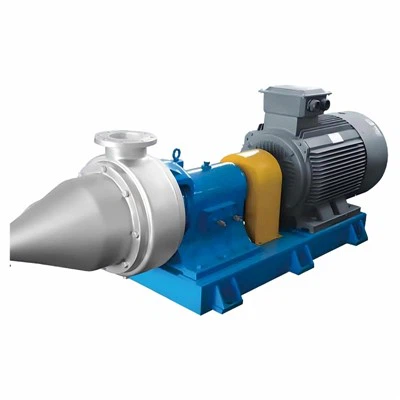
When it comes to pulp processing, our toothed deflaker is just one part of the puzzle. We also offer other great refining equipment like the KTF Refiner, the KZM Series Conical Refiner and the DD Series Double Disc Refiner. These machines can work in conjunction with the toothed deflaker to achieve better pulp quality and production efficiency.
Conclusion and Call to Action
In conclusion, proper control of a toothed deflaker is crucial for its efficient operation and the quality of the pulp it processes. By using a combination of mechanical, flow, pressure, and automated control methods, we can ensure that the deflaker works at its best.

If you're in the pulp and paper industry and looking for high - quality toothed deflakers or other refining equipment, don't hesitate to contact us for a purchase negotiation. We're ready to offer you the best solutions for your pulp processing needs.
References
- Pulp and Paper Engineering Handbook, third edition
- Technical manuals of toothed deflaker manufacturers
- Industry research reports on pulp refining technology