Hey there! As a supplier of Disc Thickeners, I often get asked about the relationship between disc thickness and thickening performance. It's a super important topic, especially for those in the paper - making and related industries. So, let's dive right in and explore this connection.
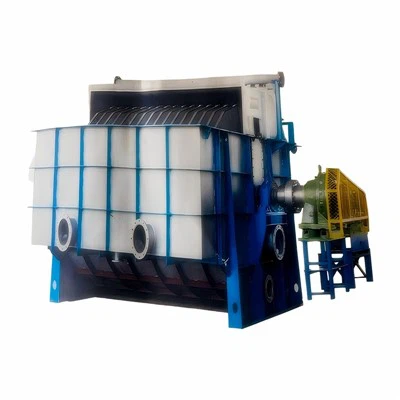
First off, what exactly is a Disc Thickener? Well, it's a key piece of equipment used in the paper - making process for thickening pulp. It works by separating water from the pulp, increasing the pulp's consistency. You can find out more about it here.
Now, onto the main question: how does disc thickness affect thickening performance?
1. Structural Integrity and Durability
One of the most obvious impacts of disc thickness is on the structural integrity of the thickener. Thicker discs are generally more robust and durable. They can withstand higher mechanical stresses during the thickening process. In a high - volume paper - making operation, the discs are constantly in contact with the pulp, which can cause wear and tear. A thicker disc is less likely to deform or break under these conditions.
For example, if you're dealing with a very abrasive pulp, a thin disc might start to show signs of damage after just a few weeks of operation. On the other hand, a thicker disc can last for months or even years, reducing the need for frequent replacements. This not only saves on replacement costs but also minimizes downtime for maintenance.
2. Filtration Efficiency
The thickness of the discs also plays a role in filtration efficiency. Thicker discs can provide a larger surface area for filtration. The pulp passes through the discs, and the water is separated out. A greater surface area means more opportunities for the water to be filtered out, leading to better thickening performance.
However, it's not as simple as just making the discs as thick as possible. If the discs are too thick, the flow of pulp through them can be restricted. This can cause a build - up of pulp on the discs, reducing the overall efficiency of the thickening process. So, there's a sweet spot when it comes to disc thickness for optimal filtration.
3. Flow Resistance
Flow resistance is another factor affected by disc thickness. As mentioned earlier, thicker discs can increase the resistance to the flow of pulp. This can have both positive and negative effects.
On the positive side, increased flow resistance can help to slow down the pulp flow, giving more time for the water to be separated. This can result in a higher consistency of the thickened pulp. But if the flow resistance is too high, it can lead to clogging of the discs. This can cause the thickener to malfunction and require cleaning or maintenance.
4. Energy Consumption
The relationship between disc thickness and energy consumption is also significant. Thicker discs generally require more energy to operate. This is because more power is needed to move the pulp through the thicker discs due to the increased flow resistance.
In a cost - conscious paper - making operation, energy consumption is a major concern. So, when choosing the disc thickness, it's important to balance the benefits of better thickening performance against the increased energy costs.
Comparing with Other Thickeners
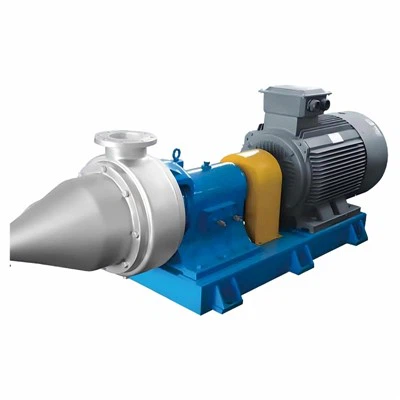
It's also interesting to compare Disc Thickeners with other types of thickeners, like the Inclined Screw Thickenner and the Gravity Cylinder Thickener Ⅱ.
Inclined Screw Thickeners use a screw mechanism to thicken the pulp. They are often more suitable for applications where a lower consistency thickening is required. The design of these thickeners is different from Disc Thickeners, and the factors affecting their performance are also distinct.
Gravity Cylinder Thickener Ⅱ, on the other hand, relies on gravity to separate the water from the pulp. They are generally simpler in design but may not be as efficient as Disc Thickeners in achieving high - consistency thickening.
Finding the Optimal Disc Thickness
So, how do you find the optimal disc thickness for your specific application? Well, it depends on several factors.
First, consider the type of pulp you're working with. If it's a very abrasive pulp, you might want to go for a thicker disc for durability. If the pulp has a high viscosity, you need to be careful not to make the discs too thick to avoid flow restrictions.
Second, think about your production volume. High - volume operations may benefit from slightly thicker discs for better durability, but you also need to ensure that the flow of pulp is not overly restricted.
Finally, take into account your budget. Thicker discs may cost more upfront, and they also consume more energy. You need to weigh these costs against the potential benefits in terms of better thickening performance and longer lifespan.


Conclusion
In conclusion, the relationship between disc thickness and thickening performance is complex. Disc thickness affects structural integrity, filtration efficiency, flow resistance, and energy consumption. While thicker discs can offer better durability and potentially higher filtration efficiency, they also come with challenges such as increased flow resistance and energy consumption.
As a Disc Thickener supplier, I'm here to help you find the right solution for your specific needs. Whether you're a small - scale paper - making operation or a large - scale industrial plant, we can work together to determine the optimal disc thickness for your thickener.
If you're interested in learning more about our Disc Thickeners or have any questions about the relationship between disc thickness and thickening performance, don't hesitate to reach out. We're always happy to have a chat and discuss how we can improve your thickening process.
References
- "Pulp and Paper Manufacturing Technology" - A comprehensive guide on paper - making processes and equipment.
- Industry reports on the performance of different thickening equipment in the paper - making industry.