Hey there! As a supplier of Disc Thickeners, I've had my fair share of questions about the regulatory requirements for using these machines. So, I thought I'd put together this blog post to share some insights.
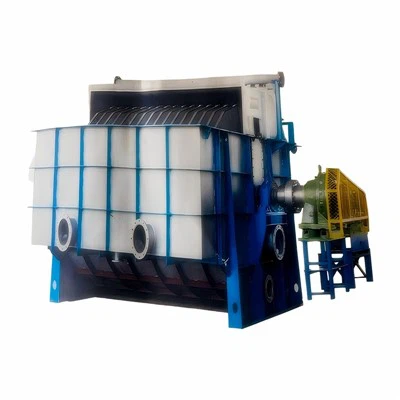
First off, let's talk a bit about what a Disc Thickener is. It's a key piece of equipment in the paper - making and other industries where liquid - solid separation and thickening processes are crucial. If you're interested in learning more about it, you can check out our Disc Thickener page.
Environmental Regulations
One of the most significant aspects of using a Disc Thickener is complying with environmental regulations. These rules are in place to protect our air, water, and soil.


Water Discharge
When it comes to water, most regions have strict limits on the amount of solids and contaminants that can be discharged into water bodies. A Disc Thickener is designed to separate solids from liquids, but there's still a chance that some fine particles might make their way into the effluent.
For example, in many places, the maximum allowable concentration of suspended solids in industrial wastewater discharge might be around 50 - 100 mg/L. You need to ensure that your Disc Thickener is operating efficiently enough to meet these standards. Regular maintenance and calibration of the machine are essential. This includes checking the discs for any signs of wear and tear, as damaged discs can lead to poor separation and higher solids in the effluent.
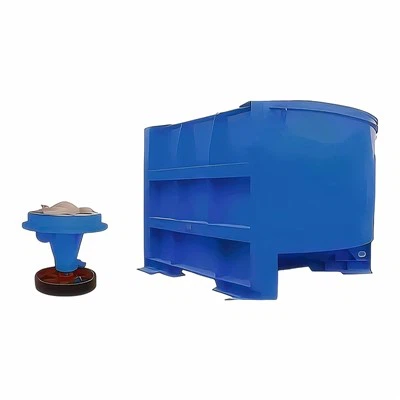
If you're looking for an alternative or complementary thickening solution, you might want to check out our Gravity Cylinder Thickener Ⅰ and Gravity Cylinder Thickener Ⅱ. These can be used in combination with a Disc Thickener to improve the overall thickening and separation process, which in turn can help you meet water discharge regulations more easily.
Air Emissions
In some cases, the operation of a Disc Thickener can generate dust or fumes. For instance, if you're thickening materials that are prone to creating dust during the separation process, you need to have proper ventilation and dust collection systems in place.
Many industrial areas have regulations regarding the maximum allowable concentration of particulate matter in the air. You might need to install filters and exhaust systems to capture and remove dust before it's released into the atmosphere. Regular monitoring of air quality around the Disc Thickener area is also necessary to ensure compliance.
Safety Regulations
Safety should always be a top priority when using any industrial equipment, and a Disc Thickener is no exception.
Machine Guarding
The moving parts of a Disc Thickener, such as the rotating discs and drive mechanisms, pose a significant safety hazard. Most safety regulations require that these parts be properly guarded to prevent workers from coming into contact with them.
Guards should be made of sturdy materials and should be designed in a way that they don't interfere with the normal operation of the machine. They also need to be easy to access for maintenance purposes, but only by authorized personnel.
Electrical Safety
Since a Disc Thickener is an electrically powered machine, proper electrical safety measures must be in place. This includes having grounded electrical systems, using appropriate electrical cables and connectors, and installing circuit breakers and fuses to protect against overloading and short - circuits.
Regular electrical inspections are necessary to ensure that all electrical components are in good working condition. Workers should also be trained on how to safely operate and maintain the electrical aspects of the machine.
Chemical Safety
In some cases, you might need to use chemicals in the thickening process, such as flocculants to aid in the separation of solids. These chemicals can be hazardous if not handled properly.
You need to have proper storage facilities for chemicals, with clear labeling of the contents and safety instructions. Workers should be trained on how to handle, mix, and apply these chemicals safely. Spill response plans should also be in place in case of accidental chemical spills.
Operational and Maintenance Regulations
Operational Procedures
To ensure the efficient and safe operation of a Disc Thickener, you need to have well - defined operational procedures. These procedures should cover everything from startup and shutdown to normal operation and emergency situations.
For example, the startup procedure might include pre - checks of all components, such as checking the lubrication levels, ensuring proper alignment of the discs, and verifying the electrical connections. Shutdown procedures should involve proper cleaning of the machine to prevent the buildup of solids and corrosion.
Maintenance Schedules
Regular maintenance is crucial for the long - term performance of a Disc Thickener. You need to follow a maintenance schedule that includes tasks such as lubricating moving parts, replacing worn - out components, and inspecting the overall condition of the machine.
Most manufacturers, including us, provide recommended maintenance schedules in the user manual. However, you might also need to adjust these schedules based on your specific operating conditions, such as the type of material being thickened and the frequency of use.
Quality Control Regulations
In industries where the output of the Disc Thickener is used as a raw material for further processing, there are often quality control regulations.
Product Quality
The quality of the thickened product needs to meet certain specifications. For example, in the paper - making industry, the consistency of the thickened pulp is a critical parameter. The Disc Thickener needs to be able to produce a pulp with a consistent solids content within a narrow range.
You might need to have in - house quality control measures in place, such as regular sampling and testing of the thickened product. This can help you detect any issues early on and make adjustments to the operation of the Disc Thickener as needed.
Regulatory Compliance Documentation
Finally, it's important to keep proper documentation of your compliance with all the regulatory requirements. This includes records of water and air quality tests, maintenance logs, worker training records, and safety inspections.
These documents not only prove that you're operating within the law but also serve as a valuable resource for continuous improvement. If you ever face an audit from regulatory authorities, having well - organized and up - to - date documentation can make the process much smoother.
In conclusion, using a Disc Thickener comes with a set of regulatory requirements that cover environmental, safety, operational, and quality control aspects. By understanding and complying with these regulations, you can ensure the safe and efficient operation of your machine.
If you're in the market for a Disc Thickener or need more information about how to meet regulatory requirements with our equipment, don't hesitate to reach out. We're here to help you make the right choice for your business and ensure that you can operate your Disc Thickener in full compliance with all relevant regulations.
References
- Industrial Safety and Health Regulations Handbook
- Environmental Protection Agency Guidelines for Industrial Wastewater Discharge
- Manufacturer's User Manual for Disc Thickener