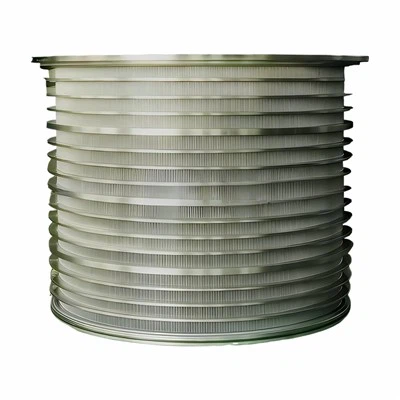
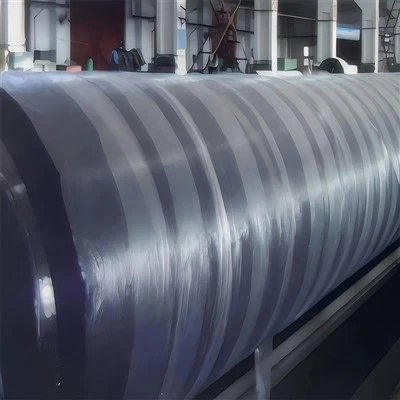
An efficient disc thickener is crucial for many industrial processes, especially in the pulp and paper industry. As a reliable disc thickener supplier, we understand the importance of proper installation, particularly the piping system. Here are the key installation requirements for the piping system of a disc thickener.


1. Piping Material Selection
The choice of piping material is fundamental to the long - term performance of the disc thickener's piping system. The material must be able to withstand the chemical and physical conditions of the process fluid. For most pulp and paper applications, where the fluid may contain various chemicals and suspended solids, stainless steel is a popular choice. Stainless steel offers excellent corrosion resistance, high strength, and durability. It can resist the acidic or alkaline nature of the pulp suspension, which might otherwise cause rusting and degradation in other materials.
Another option is high - density polyethylene (HDPE) pipes. HDPE pipes are lightweight, easy to install, and have good chemical resistance. They are also less prone to scaling and fouling, which can be a problem in systems dealing with pulp and water mixtures. However, HDPE may not be suitable for high - temperature applications. When selecting the piping material, it is essential to consider the temperature, pressure, and chemical composition of the fluid flowing through the pipes. You can learn more about our Disc Thickener on our website, which details its compatibility with different piping materials.
2. Piping Sizing
Proper piping sizing is critical to ensure the efficient operation of the disc thickener. The diameter of the pipes should be carefully calculated based on the flow rate of the fluid, the pressure drop, and the viscosity of the pulp suspension. If the pipes are too small, the flow rate will be restricted, leading to increased pressure drop and potential blockages. On the other hand, if the pipes are too large, it can result in inefficient use of materials and increased costs.
To determine the appropriate pipe size, engineers typically use fluid flow equations, taking into account the required capacity of the disc thickener. For example, in a high - capacity disc thickener, larger diameter pipes may be needed to handle the large volume of pulp suspension. Additionally, the velocity of the fluid in the pipes should be maintained within an acceptable range. A velocity that is too high can cause erosion and wear on the pipe walls, while a velocity that is too low can lead to sedimentation and clogging.
3. Pipe Layout and Installation
The layout of the piping system plays a significant role in the overall performance of the disc thickener. The pipes should be installed in a way that minimizes bends, elbows, and valves. Each bend and elbow in the piping system adds to the pressure drop and can cause uneven flow distribution. Valves should be located strategically to allow for easy control and maintenance.
The pipes should also be properly supported to prevent sagging and vibration. Vibration can cause damage to the pipes and their connections over time. Adequate supports, such as hangers and brackets, should be installed at regular intervals along the pipes. When installing the pipes, it is important to ensure that they are level and properly aligned. Misaligned pipes can cause leaks and reduce the efficiency of the system.
4. Piping Connections
The connections between the pipes are crucial for preventing leaks and ensuring a tight seal. There are several types of pipe connections available, including welded joints, flanged joints, and threaded joints. Welded joints are often preferred for their strength and durability, especially in high - pressure applications. However, welding requires skilled labor and specialized equipment.
Flanged joints are easier to install and allow for easier disassembly and maintenance. They use gaskets to create a seal between the flanges. The gaskets should be made of a material that is compatible with the fluid in the pipes. Threaded joints are commonly used for smaller diameter pipes and are relatively easy to install. However, they may not be suitable for high - pressure or high - temperature applications.
5. Pressure and Flow Control
Proper pressure and flow control are essential for the optimal operation of the disc thickener. Pressure gauges and flow meters should be installed at strategic points in the piping system to monitor the pressure and flow rate of the fluid. These instruments can provide valuable information for adjusting the operation of the disc thickener and ensuring its efficiency.
Control valves should be used to regulate the flow rate and pressure of the fluid. For example, a pressure - reducing valve can be installed to maintain a constant pressure in the system. Flow control valves can be used to adjust the amount of pulp suspension entering the disc thickener, depending on its capacity and the process requirements.
6. Compatibility with Other Equipment
The piping system of the disc thickener should be compatible with other equipment in the process. For example, it should be able to connect smoothly with pumps, filters, and other thickening equipment. If the disc thickener is part of a larger pulp and paper production line, the piping system should be integrated seamlessly with other components.
Our company also offers other thickening equipment such as Inclined Screw Thickenner and Gravity Cylinder Thickener Ⅰ. The piping systems of these equipment should be designed to work in harmony with the disc thickener to ensure the overall efficiency of the production process.
7. Safety Considerations
Safety is of utmost importance when installing the piping system of a disc thickener. The pipes should be installed in a way that minimizes the risk of leaks and spills. All connections should be properly tightened to prevent fluid from escaping. Additionally, the piping system should be designed to handle any potential pressure surges or emergencies.
Safety valves should be installed to relieve excess pressure in the system. These valves are set to open at a predetermined pressure, preventing damage to the pipes and equipment. Warning signs should be posted near the piping system to indicate potential hazards, such as high - pressure areas or the presence of corrosive fluids.
8. Maintenance and Inspection
The piping system of the disc thickener requires regular maintenance and inspection to ensure its long - term reliability. Regularly checking the pipes for signs of corrosion, erosion, or leaks is essential. Any damaged pipes or components should be replaced immediately.
The gaskets in the flanged joints should be inspected and replaced periodically to ensure a tight seal. Additionally, the valves and control instruments should be tested regularly to ensure they are functioning properly. By performing regular maintenance and inspection, the lifespan of the piping system can be extended, and the risk of unexpected breakdowns can be reduced.
In conclusion, the installation of the piping system for a disc thickener is a complex process that requires careful planning and attention to detail. By following these installation requirements, you can ensure the efficient and reliable operation of your disc thickener. If you are interested in purchasing a disc thickener or need more information about its installation and operation, please contact us for further discussion. We are committed to providing high - quality products and professional services to meet your industrial needs.
References
- Perry, R. H., & Green, D. W. (2008). Perry's Chemical Engineers' Handbook. McGraw - Hill.
- ASME B31.3 Process Piping Code. American Society of Mechanical Engineers.