Hey there! As a supplier of pulping equipment, I often get asked if our gear can handle different types of wood for pulping. Well, the short answer is yes, but there's a lot more to it than that. Let's dive in and explore this topic in detail.


Understanding Different Types of Wood for Pulping
First off, there are two main categories of wood used in pulping: softwood and hardwood. Softwoods, like pine, spruce, and fir, have long fibers. These long fibers give the pulp high strength and are great for making products like newspapers, packaging materials, and strong papers. Hardwoods, on the other hand, such as oak, maple, and eucalyptus, have shorter fibers. They're often used for making tissues, magazines, and other papers that need a smooth surface.
The chemical composition of these woods also varies. Softwoods typically have a higher content of lignin, which is a natural polymer that binds the wood fibers together. Hardwood lignin has a different structure and composition compared to softwood lignin. This difference in lignin content and structure affects how the wood responds to the pulping process.
How Our Pulping Equipment Handles Different Woods
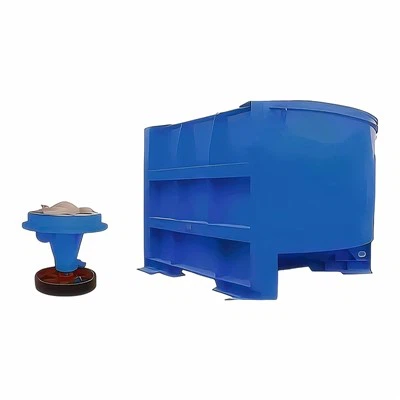
We've designed our pulping equipment to be versatile and adaptable to these different types of wood. Take our Hydrapulper for example. This machine is a key player in the pulping process. It uses mechanical action and water to break down the wood chips into individual fibers.
When it comes to softwoods, the Hydrapulper can handle the long fibers effectively. The strong agitation in the machine helps to separate the fibers from the lignin and other components. The design of the impeller and the tank ensures that the long fibers are not damaged during the process. This way, we can preserve the strength properties of the softwood fibers, which are crucial for the end - product quality.
For hardwoods, the Hydrapulper also does an excellent job. The shorter fibers of hardwoods require a different approach. The machine is adjusted to provide the right amount of agitation to break down the hardwood chips without over - processing the fibers. This allows us to achieve a good pulp consistency and a high - quality end product.
Another piece of equipment in our lineup is the Type D Hydrapulper. This specialized hydrapulper is designed to handle a wide range of wood types with even more precision. It has advanced features that can be customized based on the specific characteristics of the wood being pulped. For instance, it can adjust the speed and intensity of the agitation according to the fiber length and lignin content of the wood.
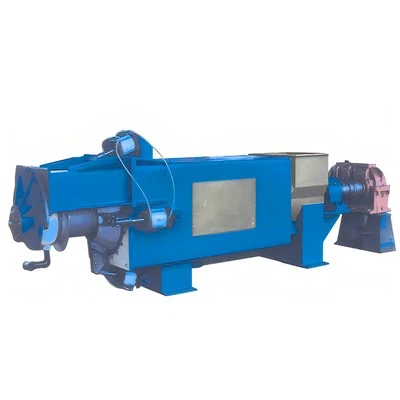
The Drump Pulper is also a great option for different wood types. It works by rotating a drum filled with wood chips and water. The rotation creates a tumbling action that breaks down the wood chips. This gentle yet effective method is suitable for both softwoods and hardwoods. It can handle different densities of wood and still produce a consistent pulp.
Factors Affecting the Pulping Process
While our equipment is designed to handle different types of wood, there are some factors that can affect the pulping process. One of these factors is the age of the wood. Older trees may have more mature fibers, which can be more difficult to break down. Our equipment can still handle older wood, but it may require some adjustments to the pulping parameters.
The moisture content of the wood is another important factor. Wood with a high moisture content may require less water during the pulping process, while dry wood may need more water to ensure proper fiber separation. Our operators are trained to monitor and adjust the moisture levels to optimize the pulping process.
The geographical origin of the wood can also play a role. Different regions have different environmental conditions, which can affect the growth and characteristics of the trees. For example, wood from a wetter climate may have different fiber properties compared to wood from a drier climate. Our equipment can adapt to these variations, but it may take a bit of fine - tuning.
Benefits of Using Our Pulping Equipment for Different Woods
Using our pulping equipment to handle different types of wood offers several benefits. Firstly, it gives our customers the flexibility to source wood from different suppliers and regions. They're not limited to a single type of wood, which can help them manage costs and ensure a stable supply of raw materials.
Secondly, our equipment can produce high - quality pulp from different wood types. This means that our customers can make a wide range of paper products, from strong packaging papers to soft tissues. The consistent quality of the pulp also reduces the amount of waste and rework, which can save time and money in the long run.
Conclusion
In conclusion, our pulping equipment is definitely capable of handling different types of wood for pulping. Whether it's softwood or hardwood, old or new, our machines are designed to adapt and produce high - quality pulp. We understand that each type of wood has its own unique characteristics, and we've engineered our equipment to deal with these differences effectively.
If you're in the paper - making industry and are looking for reliable pulping equipment that can handle different wood types, we'd love to hear from you. Contact us to discuss your specific needs and let's start a conversation about how our equipment can help you achieve your production goals.
References
- "Handbook of Pulping and Papermaking" by Christopher J. Biermann
- "Pulp and Paper Manufacture" by R. G. Macdonald and J. N. Franklin