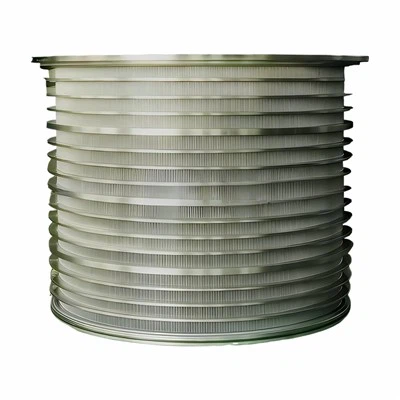
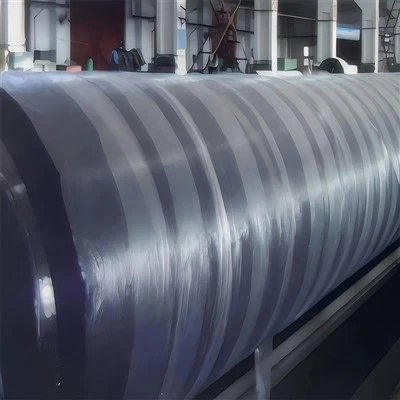
A dispersing system is a complex setup designed to break down and distribute particles evenly within a medium. Whether it's in the paper industry, chemical manufacturing, or other sectors, the efficiency of a dispersing system can significantly impact the quality of the final product. One often overlooked but crucial component in these systems is the lubricant. As a supplier of dispersing systems, I've witnessed firsthand the transformative role that lubricants play in optimizing the performance of these setups.
Reducing Friction and Wear
At the most fundamental level, a lubricant's primary function in a dispersing system is to reduce friction between moving parts. In a dispersing system, there are numerous components that interact with each other, such as rotors, stators, and bearings. These parts are constantly in motion, and without proper lubrication, the friction generated can lead to excessive wear and tear.
For instance, in a Disc Heat - Disperser, high - speed rotating discs are used to break down particles in a heated environment. The friction between the discs and the surrounding components can cause significant damage over time. A high - quality lubricant forms a thin film between these surfaces, reducing the direct contact and thus minimizing wear. This not only extends the lifespan of the equipment but also helps maintain the precision and efficiency of the dispersing process.
Similarly, in a Paper Machine Kneader, the kneading action involves the movement of large blades and other mechanical parts. The lubricant ensures that these parts can move smoothly, preventing the formation of excessive heat and reducing the likelihood of mechanical failures due to wear.
Heat Dissipation
Another critical role of a lubricant in a dispersing system is heat dissipation. The dispersing process often generates a significant amount of heat, especially in high - speed and high - energy operations. Excessive heat can have detrimental effects on the performance of the system and the quality of the dispersed product.
In a dispersing system, the lubricant acts as a heat transfer medium. It absorbs the heat generated by friction and mechanical work and carries it away from the source. For example, in a dispersing unit with a high - speed agitator, the lubricant in the bearings and gears can absorb the heat produced during operation. By continuously circulating the lubricant through a cooling system, the heat can be effectively dissipated, keeping the temperature of the system within an optimal range.


Maintaining a stable operating temperature is essential for the proper functioning of the dispersing system. High temperatures can cause the lubricant to degrade more quickly, reducing its effectiveness. It can also lead to thermal expansion of the components, which may affect the alignment and precision of the system. By dissipating heat, the lubricant helps ensure the long - term stability and reliability of the dispersing process.
Preventing Corrosion
Corrosion is a major concern in dispersing systems, especially in environments where the system comes into contact with chemicals or moisture. Corroded components can compromise the integrity of the system, leading to leaks, reduced performance, and ultimately, equipment failure.
A lubricant can provide a protective barrier against corrosion. Many lubricants are formulated with additives that have anti - corrosion properties. These additives form a thin layer on the surface of the metal components, preventing moisture and corrosive substances from coming into direct contact with the metal.
In a chemical dispersing system, where the dispersing medium may contain corrosive chemicals, a lubricant with excellent anti - corrosion properties is essential. This ensures that the internal components of the system, such as pipes, valves, and pumps, remain protected and functional. For example, in a dispersing process for acidic chemicals, the lubricant in the seals and bearings can prevent the acid from attacking the metal surfaces, extending the service life of these components.
Enhancing Dispersion Efficiency
Surprisingly, lubricants can also play a role in enhancing the dispersion efficiency of the system. In some dispersing processes, the addition of a small amount of lubricant to the dispersing medium can improve the wetting and spreading of the particles.
The lubricant can reduce the surface tension of the medium, allowing the particles to be more easily dispersed. It can also prevent the agglomeration of particles by providing a repulsive force between them. This is particularly important in applications where a uniform dispersion of particles is required, such as in the production of paints, coatings, and composites.
For example, in a paint dispersing system, the addition of a suitable lubricant can help the pigments to disperse more evenly throughout the binder. This results in a more consistent color and better overall quality of the paint. The lubricant can also improve the flow properties of the paint, making it easier to apply.
Selecting the Right Lubricant
As a dispersing system supplier, I understand that selecting the right lubricant is crucial for achieving optimal performance. Several factors need to be considered when choosing a lubricant for a dispersing system.
The first factor is the operating conditions of the system. This includes the temperature range, pressure, and speed at which the system operates. For high - temperature applications, a lubricant with a high thermal stability is required. In contrast, for low - temperature operations, a lubricant with good low - temperature fluidity is essential.
The type of dispersing medium and the particles being dispersed also play a role in lubricant selection. If the dispersing medium is corrosive, a lubricant with excellent anti - corrosion properties should be chosen. If the particles are abrasive, a lubricant that can withstand high levels of wear is needed.
The compatibility of the lubricant with the system's materials is another important consideration. The lubricant should not react with the seals, gaskets, and other components in the system, as this can lead to leakage and equipment damage.
In summary, the role of a lubricant in a dispersing system is multi - faceted. It reduces friction and wear, dissipates heat, prevents corrosion, and can even enhance dispersion efficiency. As a supplier of dispersing systems, I am committed to helping our customers understand the importance of lubrication and select the right lubricants for their specific applications.
If you are interested in learning more about our dispersing systems or need advice on lubricant selection for your dispersing process, we invite you to contact us for a procurement discussion. Our team of experts is ready to assist you in finding the best solutions for your needs.
References
- Smith, J. (2018). Lubrication in Industrial Processes. Industrial Lubrication Journal.
- Johnson, A. (2019). The Impact of Lubricants on Equipment Performance. Manufacturing Technology Review.
- Brown, C. (2020). Corrosion Prevention in Chemical Processing Systems. Chemical Engineering Journal.