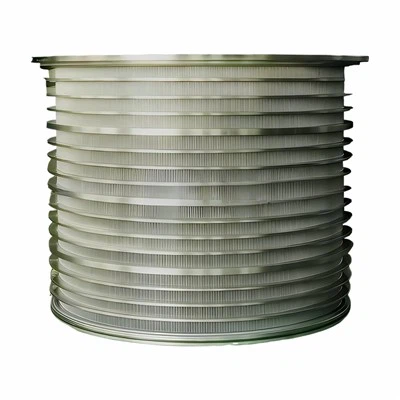
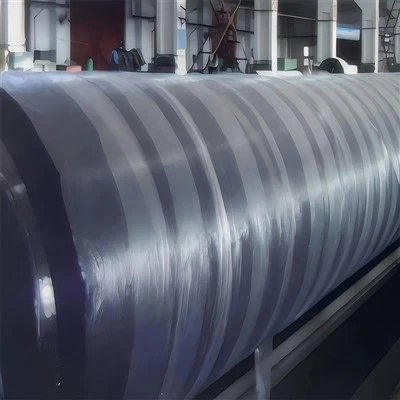
Hey there! As a supplier of pressure screens, I've seen firsthand how various factors can impact their service life. In this blog post, I'm gonna break down these factors and give you a better understanding of what you need to keep in mind when using and maintaining pressure screens.
1. Quality of Manufacturing
The very first thing that comes to mind is the quality of manufacturing. When we're making pressure screens, every single detail matters. High - quality materials are a must. For instance, using stainless steel with the right grade can significantly enhance the durability of the screen. A screen made from low - grade steel is more likely to rust and corrode over time, which will surely cut down its service life.
We also pay close attention to the welding and assembly processes. Poor welding can lead to weak joints, which may fail under the pressure that the screen has to endure during operation. And if the parts aren't assembled correctly, it can cause uneven stress distribution, leading to premature wear and tear. So, when you're looking for a pressure screen, make sure you're getting one from a reliable supplier who takes manufacturing quality seriously.
2. Operating Conditions
The environment in which the pressure screen operates plays a huge role in its lifespan. One of the key factors here is the nature of the material being screened. If you're screening abrasive materials, like sand or some types of minerals, it can cause a lot of wear on the screen surface. The constant rubbing and scraping of these abrasive particles can gradually erode the screen, making holes bigger than they should be and eventually leading to screen failure.
Another important aspect is the temperature and humidity of the operating environment. High temperatures can cause the materials of the screen to expand and contract, which can lead to structural damage over time. And high humidity can accelerate corrosion, especially if the screen isn't made of corrosion - resistant materials. So, it's crucial to monitor and control these operating conditions as much as possible.
3. Pressure and Flow Rate
The pressure and flow rate at which the pressure screen operates are also critical. If the pressure is set too high, it can put excessive stress on the screen structure. This can cause the screen to warp, or even worse, break. On the other hand, if the flow rate is too high, it can increase the wear on the screen due to the high - speed movement of the material being screened.
It's essential to find the right balance between pressure and flow rate. You need to follow the manufacturer's recommendations and make sure that the operating parameters are within the acceptable range. This will not only extend the service life of the pressure screen but also ensure its optimal performance.
4. Maintenance and Cleaning
Regular maintenance and cleaning are non - negotiable when it comes to prolonging the service life of pressure screens. Cleaning the screen regularly helps to prevent the build - up of debris, which can clog the screen and reduce its efficiency. It also helps to remove any corrosive substances that may be present on the screen surface.
When it comes to maintenance, you should check the screen for any signs of damage, such as cracks or holes, on a regular basis. Replace any worn - out parts promptly to prevent further damage. Lubricate the moving parts as recommended to ensure smooth operation. By taking these simple maintenance steps, you can significantly increase the lifespan of your pressure screen.
5. Type of Pressure Screen
Different types of pressure screens have different service lives. For example, the Inflow Pre - net Screen is designed for pre - screening purposes. It usually has a relatively shorter service life compared to some other types because it has to deal with larger and more abrasive particles at the initial stage of the screening process.


The Coarse Screen Up - flow Pressure Screen is used for coarse screening. It is built to handle larger particles and has a sturdier structure, which generally gives it a longer service life.
The Fine Screen Up - flow Pressure Screen is used for fine screening and requires a very precise mesh. While it can provide high - quality screening results, it may be more prone to clogging and damage, which can affect its service life.
6. Installation
Proper installation is the foundation for a long - lasting pressure screen. If the screen is not installed correctly, it can lead to a host of problems. For example, if the screen is not level, it can cause uneven stress distribution, which will accelerate wear and tear. Make sure that all the connections are tight and secure. Follow the installation instructions provided by the manufacturer carefully. If you're not confident in your installation skills, it's always a good idea to hire a professional to do it for you.
7. Operator Training
The operators of the pressure screen also have a big impact on its service life. Well - trained operators know how to operate the screen correctly, follow the safety procedures, and identify potential problems early on. They are more likely to take good care of the equipment and avoid making mistakes that could damage the screen.
So, if you're using pressure screens in your business, invest in operator training. Provide your operators with the knowledge and skills they need to operate the screen safely and efficiently. This will not only extend the service life of the screen but also improve the overall productivity of your operation.
Conclusion
In conclusion, the service life of pressure screens is affected by a variety of factors, including manufacturing quality, operating conditions, pressure and flow rate, maintenance and cleaning, type of screen, installation, and operator training. By understanding these factors and taking appropriate measures, you can significantly extend the service life of your pressure screens.
If you're in the market for a pressure screen or need more information about how to take care of your existing one, don't hesitate to get in touch. We're here to help you make the right choice and ensure that your pressure screen serves you well for a long time.
References
- Industry standards and guidelines for pressure screen manufacturing and operation.
- Technical manuals provided by pressure screen manufacturers.