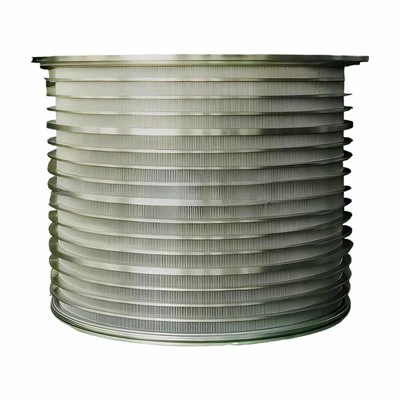
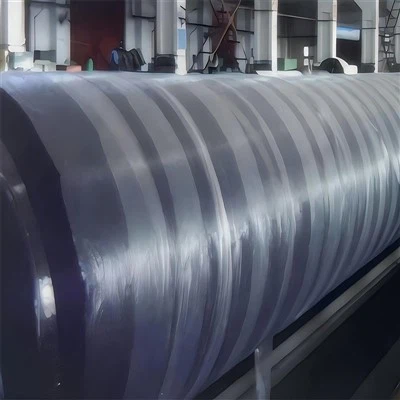
As a supplier of H.C. Bleaching Towers, I understand the importance of regular inspections to ensure the optimal performance and longevity of these crucial pieces of equipment. In this blog, I will delve into the inspection items and frequencies for H.C. Bleaching Towers, providing you with valuable insights to keep your operations running smoothly.


Inspection Items
Structural Integrity
The first and foremost inspection item is the structural integrity of the H.C. Bleaching Tower. This includes checking for any signs of corrosion, cracks, or deformation in the tower walls, floors, and supports. Corrosion can weaken the structure over time, leading to potential safety hazards and reduced efficiency. Regular visual inspections should be conducted to identify any areas of concern and take appropriate action, such as repairs or replacements.
Seals and Gaskets
Seals and gaskets play a vital role in preventing leaks and maintaining the integrity of the H.C. Bleaching Tower. Inspect these components regularly for signs of wear, damage, or deterioration. Replace any seals or gaskets that show signs of leakage or are no longer functioning properly. This will help to prevent the loss of chemicals and ensure the efficient operation of the tower.
Agitators and Mixers
Agitators and mixers are essential for ensuring proper mixing of the chemicals and pulp in the H.C. Bleaching Tower. Inspect these components for any signs of damage, such as bent blades or worn bearings. Check the alignment of the agitators and mixers to ensure they are functioning correctly. Regular maintenance and lubrication of these components will help to extend their lifespan and improve the efficiency of the tower.
Instrumentation and Controls
The instrumentation and controls of the H.C. Bleaching Tower are critical for monitoring and regulating the process. Inspect these components regularly to ensure they are functioning correctly and providing accurate readings. Check the calibration of the sensors and controllers to ensure they are within the specified range. Any malfunctioning instrumentation or controls should be repaired or replaced immediately to prevent process disruptions.
Chemical Supply Systems
The chemical supply systems of the H.C. Bleaching Tower are responsible for delivering the necessary chemicals to the tower. Inspect these systems for any signs of leaks, blockages, or corrosion. Check the valves, pumps, and pipes for proper operation and ensure they are free from debris. Regular maintenance and cleaning of the chemical supply systems will help to prevent chemical spills and ensure the efficient delivery of chemicals to the tower.
Safety Equipment
Safety equipment, such as emergency showers, eyewash stations, and fire extinguishers, should be inspected regularly to ensure they are in good working condition. Check the expiration dates of the fire extinguishers and replace them as needed. Test the emergency showers and eyewash stations to ensure they are functioning properly. Providing a safe working environment for your employees is of utmost importance, and regular inspections of safety equipment are essential to prevent accidents and injuries.
Inspection Frequencies
The frequency of inspections for H.C. Bleaching Towers will depend on several factors, including the age of the equipment, the operating conditions, and the manufacturer's recommendations. However, as a general guideline, the following inspection frequencies are recommended:
Daily Inspections
- Visual inspection of the tower for any signs of leaks, corrosion, or damage.
- Check the operation of the agitators and mixers.
- Monitor the chemical supply systems for any signs of leaks or blockages.
- Check the safety equipment to ensure it is in good working condition.
Weekly Inspections
- Inspect the seals and gaskets for signs of wear or damage.
- Check the alignment of the agitators and mixers.
- Calibrate the instrumentation and controls.
- Clean the chemical supply systems to prevent blockages.
Monthly Inspections
- Conduct a more thorough inspection of the tower structure, including checking for any signs of corrosion or deformation.
- Inspect the electrical systems for any signs of damage or malfunction.
- Test the emergency shutdown systems to ensure they are functioning properly.
Quarterly Inspections
- Perform a comprehensive inspection of the tower, including all components and systems.
- Check the performance of the tower against the manufacturer's specifications.
- Review the maintenance records and identify any areas that require attention.
Annual Inspections
- Conduct a full-scale inspection of the H.C. Bleaching Tower, including a detailed analysis of the structure, components, and systems.
- Perform any necessary repairs or replacements based on the inspection findings.
- Update the maintenance records and develop a maintenance plan for the upcoming year.
Importance of Regular Inspections
Regular inspections of H.C. Bleaching Towers are essential for several reasons:
Safety
Ensuring the safety of your employees is of utmost importance. Regular inspections help to identify and address any potential safety hazards, such as leaks, corrosion, or malfunctioning equipment. By taking proactive measures to prevent accidents and injuries, you can create a safe working environment for your employees.
Efficiency
Regular inspections help to ensure the efficient operation of the H.C. Bleaching Tower. By identifying and addressing any issues early on, you can prevent process disruptions and improve the overall efficiency of the tower. This can lead to cost savings and increased productivity.
Longevity
Proper maintenance and regular inspections can extend the lifespan of the H.C. Bleaching Tower. By identifying and addressing any issues early on, you can prevent major breakdowns and costly repairs. This can help to protect your investment and ensure the long-term reliability of the equipment.
Conclusion
As a supplier of H.C. Bleaching Towers, I understand the importance of regular inspections to ensure the optimal performance and longevity of these crucial pieces of equipment. By following the inspection items and frequencies outlined in this blog, you can keep your H.C. Bleaching Tower in top condition and avoid costly downtime. If you have any questions or need further information about H.C. Bleaching Towers, please visit our website at H.C.Bleaching Tower. We also offer a range of other flotation and deinking equipment, including Heating Screw Conveyor and Mac-Cell Flotation Machine. If you are interested in purchasing any of our products, please contact us to discuss your specific requirements. We look forward to working with you!
References
- Manufacturer's manual for H.C. Bleaching Tower
- Industry standards and guidelines for equipment inspection and maintenance