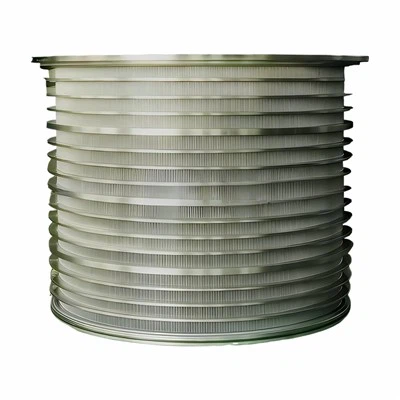
Hey there! I'm a supplier of the Paper Machine Kneader, and today I'm gonna chat with you about the lubrication requirements for this nifty piece of equipment.
Why Lubrication Matters for a Paper Machine Kneader
First off, let's talk about why lubrication is such a big deal for a Paper Machine Kneader. In a paper - making process, a Paper Machine Kneader plays a crucial role in mixing and kneading the pulp. It has a bunch of moving parts, like rotors, shafts, and bearings. These parts are constantly in motion, rubbing against each other. Without proper lubrication, the friction between these parts can lead to excessive wear and tear. This not only shortens the lifespan of the machine but can also lead to performance issues, such as inconsistent mixing of the pulp, which in turn affects the quality of the final paper product.
Moreover, friction generates heat. If the heat isn't dissipated effectively, it can cause overheating of the machine components. Overheating may result in deformation of parts, damage to seals, and even breakdowns. That's where lubrication steps in. A good lubricant acts as a buffer between the moving parts, reducing friction and carrying away the heat generated during operation.
Types of Lubricants for Paper Machine Kneaders
Mineral Oil - Based Lubricants
Mineral oil - based lubricants are quite commonly used in Paper Machine Kneaders. They have good lubricating properties and are relatively inexpensive. These lubricants are made from refined crude oil and contain additives to enhance their performance. For example, anti - wear additives are added to prevent the metal surfaces from wearing out too quickly. Oxidation inhibitors are also included to prevent the oil from breaking down due to exposure to oxygen and heat.
However, mineral oil - based lubricants do have some drawbacks. They may not perform as well in extreme temperature conditions. In cold environments, they can become thick and viscous, reducing their ability to flow freely and properly lubricate the machine parts. In hot environments, they may break down faster, leading to the formation of sludge and deposits in the machine.
Synthetic Lubricants
Synthetic lubricants, on the other hand, are designed to overcome the limitations of mineral oil - based lubricants. They are made by chemically synthesizing base oils with specific molecular structures. Synthetic lubricants offer better performance in a wider range of temperatures. They have a lower pour point, which means they can remain fluid in cold temperatures and provide adequate lubrication. In high - temperature conditions, they are more resistant to oxidation and thermal breakdown.
These lubricants also have excellent anti - wear properties and can reduce the operating temperature of the machine. Although synthetic lubricants are more expensive than mineral oil - based ones, their longer service life and better performance often make them a cost - effective choice in the long run.
Greases
Greases are another option for lubricating certain parts of a Paper Machine Kneader, such as bearings. Greases are essentially a thickened form of oil, with a thickener added to hold the oil in place. They are ideal for applications where a lubricant needs to stay in position and not leak out easily. Greases provide good sealing properties, preventing contaminants from entering the bearings and causing damage.
There are different types of greases, such as lithium - based greases, calcium - based greases, and polyurea - based greases. Each type has its own characteristics in terms of temperature resistance, water resistance, and load - carrying capacity. For example, polyurea - based greases are known for their excellent water resistance and high - temperature performance, making them suitable for use in wet and hot environments, which are common in paper - making processes.
Lubrication Frequency
Determining the right lubrication frequency is essential for maintaining the optimal performance of a Paper Machine Kneader. The frequency depends on several factors, including the type of lubricant used, the operating conditions of the machine, and the manufacturer's recommendations.


Manufacturer's Recommendations
The first place to start is the manufacturer's manual. The manufacturer of the Paper Machine Kneader will have specific guidelines on how often the machine should be lubricated. These recommendations are based on extensive testing and engineering knowledge. Following these guidelines ensures that the machine operates within the intended parameters and reduces the risk of premature wear and breakdowns.
Operating Conditions
If the machine is operating in a harsh environment, such as a place with high levels of dust, humidity, or extreme temperatures, the lubrication frequency may need to be increased. Dust and contaminants can get into the lubricant and cause it to degrade faster. High humidity can lead to corrosion of the machine parts, and extreme temperatures can affect the viscosity and performance of the lubricant.
For example, if a Paper Machine Kneader is used in a tropical paper mill where the humidity is constantly high and the temperature is hot, the lubricant may need to be checked and replaced more frequently than if it were used in a temperate climate with a clean environment.
Type of Lubricant
Different lubricants have different service lives. Synthetic lubricants generally last longer than mineral oil - based lubricants. Greases may also have different re - lubrication intervals depending on their type and the application. It's important to monitor the condition of the lubricant regularly. This can be done through oil analysis, which can detect signs of wear, contamination, and degradation of the lubricant.
Lubrication Quantity
Getting the right amount of lubricant is just as important as the right type and frequency. Too little lubricant won't provide adequate protection for the machine parts, while too much lubricant can cause problems as well.
Measuring the Right Quantity
The machine's design usually determines the amount of lubricant required. There are often specific markings or guidelines on the lubrication points, such as oil sight glasses or dipsticks. These can be used to ensure that the correct level of lubricant is maintained.
In some cases, lubrication systems are equipped with automatic lubricators. These devices can be set to dispense the right amount of lubricant at regular intervals, taking the guesswork out of the process. However, it's still important to check the system periodically to make sure it's functioning properly.
Consequences of Incorrect Quantity
If there's too little lubricant, the friction between the moving parts will increase, leading to wear and overheating. This can cause the machine to operate inefficiently and may eventually lead to component failure. On the other hand, too much lubricant can create a mess. It can leak out of the machine, contaminate the surrounding area and the pulp, and may also cause excessive churning, which can generate more heat and reduce the efficiency of the lubricant.
Other Considerations for Lubrication
Compatibility
When using lubricants, it's important to ensure that they are compatible with the materials used in the Paper Machine Kneader. Some lubricants may react with certain seals, gaskets, or other components of the machine, causing them to degrade or fail. Before switching to a different type of lubricant, it's a good idea to consult the machine manufacturer or the lubricant supplier to check for compatibility.
Contamination Control
Contamination is a major enemy of lubrication. Dust, dirt, water, and other contaminants can enter the lubricant and reduce its effectiveness. To prevent this, proper filtration systems should be in place. Filters can remove solid particles from the lubricant, while water separators can remove any water that may have entered the system.
Regular maintenance and cleaning of the lubrication system are also important. This includes changing the filters at the recommended intervals and inspecting the system for any signs of leaks or damage.
Conclusion
So there you have it, a comprehensive look at the lubrication requirements for a Paper Machine Kneader. As a supplier of Paper Machine Kneaders, I know how important it is to keep these machines running smoothly. Proper lubrication is the key to ensuring long - term reliability, efficiency, and high - quality paper production.
If you're in the market for a Paper Machine Kneader or need more information about lubrication and maintenance, don't hesitate to reach out. We're here to help you make the best choice for your paper - making operation and ensure that your machine performs at its best. You can also check out our Disc Heat - Disperser for other great equipment options in the paper - making industry.
References
- "Paper Machine Handbook"
- Manufacturers' manuals of Paper Machine Kneaders