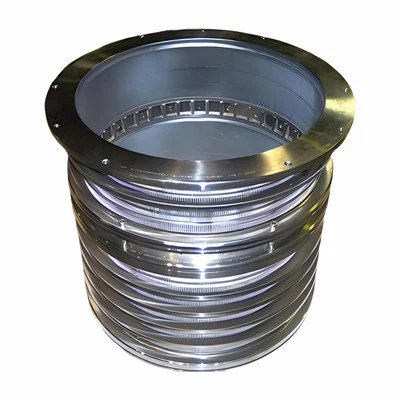
Process variation is a critical factor in the operation and performance of industrial equipment, and the H.C. Bleaching Tower is no exception. As a supplier of H.C. Bleaching Towers, I have witnessed firsthand the significant impact that process variation can have on the efficiency, effectiveness, and overall performance of these essential pieces of equipment. In this blog, I will explore the effects of process variation on the H.C. Bleaching Tower, drawing on my experience and industry knowledge to provide insights and recommendations for optimizing its operation.
Understanding the H.C. Bleaching Tower
Before delving into the effects of process variation, it is important to have a basic understanding of the H.C. Bleaching Tower and its role in the paper manufacturing process. The H.C. Bleaching Tower is a key component in the bleaching stage of paper production, where it is used to remove lignin and other impurities from pulp to improve its brightness and whiteness. The tower operates by introducing a bleaching agent, typically hydrogen peroxide or chlorine dioxide, into the pulp suspension under high pressure and temperature conditions. This chemical reaction breaks down the lignin and other colored substances, resulting in a brighter and more uniform pulp.
The Impact of Process Variation on the H.C. Bleaching Tower
Process variation can have a profound impact on the performance of the H.C. Bleaching Tower, affecting everything from the quality of the bleached pulp to the energy consumption and maintenance requirements of the equipment. Here are some of the key effects of process variation on the H.C. Bleaching Tower:
1. Pulp Quality
One of the most significant effects of process variation on the H.C. Bleaching Tower is its impact on the quality of the bleached pulp. Variations in the bleaching agent concentration, temperature, pressure, and residence time can all affect the efficiency of the bleaching process and the final brightness and whiteness of the pulp. For example, if the bleaching agent concentration is too low, the pulp may not be fully bleached, resulting in a lower brightness and whiteness. On the other hand, if the concentration is too high, it can cause over-bleaching, which can damage the pulp fibers and reduce the strength and durability of the paper.
2. Energy Consumption
Process variation can also have a significant impact on the energy consumption of the H.C. Bleaching Tower. Variations in the temperature, pressure, and flow rate of the pulp suspension can all affect the amount of energy required to operate the tower. For example, if the temperature is too low, the bleaching reaction may not proceed efficiently, requiring more energy to achieve the desired level of bleaching. Similarly, if the pressure is too high, it can increase the energy consumption of the pumps and other equipment used to circulate the pulp suspension.
3. Maintenance Requirements
Process variation can also increase the maintenance requirements of the H.C. Bleaching Tower. Variations in the chemical composition of the pulp suspension, the presence of impurities, and the operating conditions can all cause wear and tear on the equipment, leading to increased maintenance and repair costs. For example, if the pulp suspension contains high levels of abrasive particles, it can cause erosion and corrosion of the tower walls and internal components, requiring more frequent maintenance and replacement.
4. Productivity
Finally, process variation can also affect the productivity of the H.C. Bleaching Tower. Variations in the bleaching process can cause delays and disruptions in the production schedule, resulting in lower output and increased costs. For example, if the bleaching process is not optimized, it may take longer to achieve the desired level of bleaching, reducing the throughput of the tower and increasing the overall production time.
Strategies for Minimizing the Effects of Process Variation
Given the significant impact that process variation can have on the performance of the H.C. Bleaching Tower, it is essential to implement strategies for minimizing its effects. Here are some of the key strategies that can be used to optimize the operation of the H.C. Bleaching Tower and reduce the impact of process variation:
1. Process Monitoring and Control
One of the most effective ways to minimize the effects of process variation is to implement a comprehensive process monitoring and control system. This system should include sensors and instrumentation to measure key process parameters, such as temperature, pressure, flow rate, and chemical concentration, and a control system to adjust these parameters in real-time to maintain optimal operating conditions. By continuously monitoring and adjusting the process, it is possible to minimize the impact of process variation and ensure consistent and high-quality bleaching results.
2. Equipment Design and Maintenance
Another important strategy for minimizing the effects of process variation is to ensure that the H.C. Bleaching Tower is designed and maintained to withstand the harsh operating conditions and chemical environment. This includes selecting high-quality materials for the tower walls and internal components, ensuring proper insulation and sealing to prevent heat loss and chemical leakage, and implementing a regular maintenance schedule to inspect and repair any worn or damaged parts. By investing in high-quality equipment and maintenance, it is possible to reduce the risk of equipment failure and downtime, and ensure the long-term reliability and performance of the H.C. Bleaching Tower.


3. Process Optimization
In addition to process monitoring and control and equipment design and maintenance, it is also important to optimize the bleaching process itself to minimize the effects of process variation. This includes selecting the appropriate bleaching agent and dosage, optimizing the temperature and pressure conditions, and ensuring proper mixing and residence time of the pulp suspension. By optimizing the bleaching process, it is possible to achieve higher levels of bleaching efficiency and quality, while reducing the energy consumption and maintenance requirements of the H.C. Bleaching Tower.
4. Training and Education
Finally, it is important to provide training and education to the operators and maintenance personnel responsible for operating and maintaining the H.C. Bleaching Tower. This includes training on the proper operation and maintenance procedures, as well as the importance of process monitoring and control and the impact of process variation on the performance of the equipment. By providing comprehensive training and education, it is possible to ensure that the operators and maintenance personnel have the knowledge and skills necessary to optimize the operation of the H.C. Bleaching Tower and minimize the effects of process variation.
Conclusion
In conclusion, process variation can have a significant impact on the performance of the H.C. Bleaching Tower, affecting everything from the quality of the bleached pulp to the energy consumption and maintenance requirements of the equipment. However, by implementing strategies for minimizing the effects of process variation, such as process monitoring and control, equipment design and maintenance, process optimization, and training and education, it is possible to optimize the operation of the H.C. Bleaching Tower and ensure consistent and high-quality bleaching results.
If you are interested in learning more about our H.C. Bleaching Towers or other Paper Machine AGITATOR and Heating Screw Conveyor products, please visit our website H.C.Bleaching Tower to explore our offerings. We are always ready to discuss your specific needs and provide customized solutions for your paper manufacturing process. Contact us today to start a procurement discussion and take your paper production to the next level.
References
- Smith, J. (2018). Paper Manufacturing Processes. Wiley.
- Jones, A. (2019). Bleaching Technologies in the Pulp and Paper Industry. Elsevier.
- Brown, R. (2020). Process Optimization for Industrial Equipment. CRC Press.