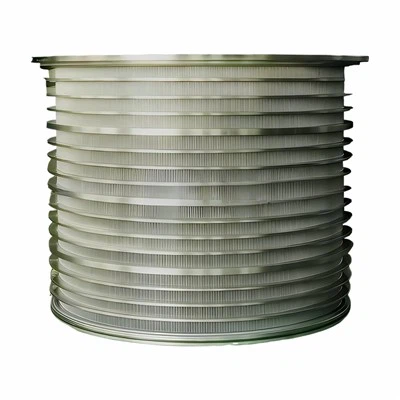
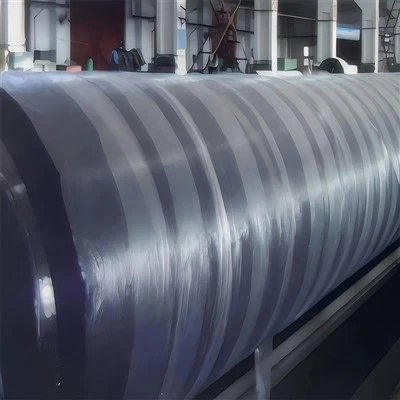
Hey there! As a supplier of pressure screens, I often get asked about the flow rate of these nifty machines. So, I thought I'd take a deep dive into this topic and share some insights with you all.
First off, let's understand what flow rate means in the context of pressure screens. Flow rate refers to the volume of liquid or pulp that can pass through the screen within a specific period, usually measured in cubic meters per hour (m³/h) or gallons per minute (GPM). It's a crucial parameter because it directly affects the efficiency and productivity of the screening process.
The flow rate of pressure screens can vary widely depending on several factors. One of the most significant factors is the type of pressure screen. For example, we offer different models like the Inflow Pre-net Screen, the Fine Screen Out-flow Pressure Screen, and the Fine Screen Up-flow Pressure Screen. Each of these models has its own unique design and features, which can impact the flow rate.
The Inflow Pre-net Screen is designed to handle high volumes of pulp with relatively large contaminants. Its unique inflow design allows for a smooth and efficient entry of the pulp into the screen, which can result in a relatively high flow rate. This makes it ideal for applications where large amounts of pulp need to be screened quickly, such as in the initial stages of a pulp and paper production process.
On the other hand, the Fine Screen Out-flow Pressure Screen is more focused on fine screening. It's designed to remove smaller contaminants from the pulp, which requires a more precise and controlled screening process. As a result, the flow rate of this screen may be lower compared to the Inflow Pre-net Screen, but it offers a higher level of screening accuracy.
The Fine Screen Up-flow Pressure Screen is another interesting model. It uses an up-flow design, which means the pulp flows upwards through the screen. This design can help to prevent blockages and improve the screening efficiency. The flow rate of this screen also depends on various factors, such as the size of the screen holes and the consistency of the pulp.
Another factor that affects the flow rate is the consistency of the pulp. Consistency refers to the ratio of dry fiber to the total volume of the pulp. Higher consistency pulp is thicker and more viscous, which can make it more difficult for the pulp to flow through the screen. As a result, the flow rate may decrease as the consistency of the pulp increases. To maintain an optimal flow rate, it's important to control the consistency of the pulp within a certain range.
The size and configuration of the screen holes also play a crucial role in determining the flow rate. Smaller screen holes can provide a higher level of screening accuracy, but they can also restrict the flow of the pulp. On the other hand, larger screen holes allow for a higher flow rate, but they may not be as effective in removing smaller contaminants. Therefore, it's important to choose the right screen hole size based on the specific requirements of the screening process.
The pressure applied to the screen is yet another important factor. Higher pressure can help to push the pulp through the screen more quickly, which can increase the flow rate. However, excessive pressure can also cause damage to the screen and the pulp, so it's important to find the right balance.
Now, let's talk about how to measure the flow rate of a pressure screen. There are several methods available, but one of the most common methods is to use a flow meter. A flow meter is a device that measures the volume of liquid or pulp flowing through a pipe or channel. By installing a flow meter at the inlet or outlet of the pressure screen, you can accurately measure the flow rate.
It's also important to note that the flow rate of a pressure screen can change over time. Factors such as wear and tear on the screen, blockages, and changes in the pulp properties can all affect the flow rate. Therefore, it's important to regularly monitor the flow rate and make adjustments as needed to ensure the optimal performance of the pressure screen.
In conclusion, the flow rate of pressure screens is a complex and important parameter that depends on several factors, including the type of screen, the consistency of the pulp, the size and configuration of the screen holes, and the pressure applied to the screen. As a supplier of pressure screens, we understand the importance of providing our customers with accurate information and support to help them choose the right screen and optimize its performance.
If you're in the market for a pressure screen or if you have any questions about flow rates or other aspects of pressure screening, don't hesitate to reach out to us. We're here to help you find the best solution for your specific needs. Whether you're looking for a high-flow rate screen for large-scale production or a fine-screening solution for high-quality pulp, we have the expertise and the products to meet your requirements. So, let's start a conversation and see how we can work together to improve your screening process.
References


- Pulp and Paper Handbook. [Publisher Name], [Year of Publication].
- Technical Manuals of Pressure Screens. [Manufacturer Name], [Year of Publication].