Hey there! I'm a supplier of Screw Press Thickeners, and today I wanna chat about how the feed concentration can affect the operation of these nifty machines.
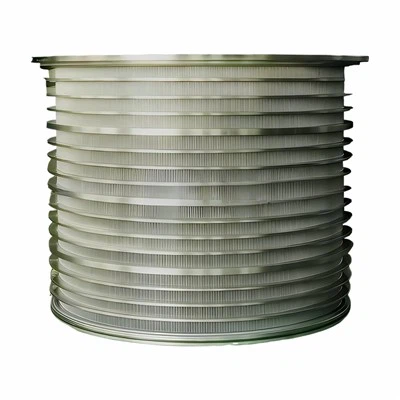
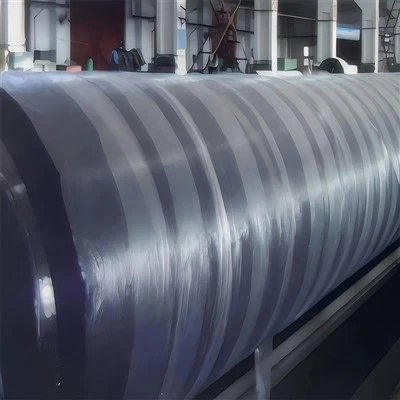
First off, let's quickly understand what a Screw Press Thickener is. It's a key piece of equipment used in various industries, especially in the pulp and paper industry. You can check out more details about it Screw Press Thickener. The main job of a screw press thickener is to increase the solids concentration of a slurry by squeezing out the liquid.
Now, let's dig into how feed concentration plays a role. When the feed concentration is low, say below a certain level, the screw press thickener has to work a bit harder. You see, there's a lot more liquid in the slurry. The screw has to push through this more fluid mixture, and it takes more energy to squeeze out that extra liquid. This can lead to higher power consumption. The machine might also run at a slower speed because it needs more time to separate the liquid from the solids.
For example, if you're dealing with a pulp slurry with a very low solids content, the screw has to make multiple rotations to get a decent amount of thickening. This can reduce the overall throughput of the machine. You won't be able to process as much slurry in a given amount of time as you would with a higher feed concentration.
On the flip side, when the feed concentration is too high, it can also cause problems. A very high - solids feed can make the slurry too thick and sticky. The screw might have trouble moving through the material. It could get clogged, which is a real headache. If the screw gets clogged, the machine has to be shut down for cleaning, which means lost production time and increased maintenance costs.
Let's talk about the impact on the quality of the thickened product. With a low feed concentration, the final thickened product might not have a high enough solids content for some applications. In the pulp and paper industry, for instance, if the thickened pulp doesn't have the right solids concentration, it can affect the quality of the paper produced later on.
When the feed concentration is optimal, the screw press thickener operates at its best. The screw can move smoothly through the slurry, separating the liquid and solids efficiently. The power consumption is reasonable, and the throughput is high. You get a thickened product with the desired solids concentration, which is great for downstream processes.
Now, let's think about how to control the feed concentration. Sometimes, you might need to pre - treat the slurry before it enters the screw press thickener. You could use a High - speed Washer to adjust the solids content. A high - speed washer can remove some of the excess liquid or add more solids if needed. This way, you can ensure that the feed concentration going into the screw press thickener is in the optimal range.
Another factor to consider is the wear and tear on the machine. A low feed concentration with a lot of liquid can cause more corrosion and erosion on the internal parts of the screw press thickener. The liquid might contain chemicals that can damage the metal surfaces over time. On the other hand, a very high - solids feed can cause excessive mechanical wear on the screw and other components due to the increased friction.
In terms of maintenance, when the feed concentration is not right, it can increase the frequency of maintenance. If the machine is constantly dealing with a difficult feed concentration, the parts will wear out faster, and you'll have to replace them more often. This adds to the overall cost of operating the screw press thickener.
Let's also look at the economic aspect. If the feed concentration is sub - optimal, you're not getting the most out of your machine. Higher power consumption, lower throughput, and increased maintenance costs all eat into your profits. By ensuring the right feed concentration, you can improve the efficiency of your operation and save money in the long run.
So, as a supplier of screw press thickeners, I always recommend that our customers pay close attention to the feed concentration. It's a crucial factor that can make or break the performance of the machine. If you're having trouble with feed concentration or want to learn more about how to optimize it for your specific application, don't hesitate to reach out. We're here to help you get the most out of your screw press thickener. Whether you're in the pulp and paper industry, wastewater treatment, or any other industry that uses these machines, we can offer expert advice and solutions.
If you're interested in purchasing a screw press thickener or want to discuss your current equipment's performance, feel free to contact us. We can have a detailed conversation about your needs, and I'm sure we can find the best solution for you. Remember, getting the feed concentration right is the first step towards a more efficient and cost - effective operation.
References


- Industry research on screw press thickener operations
- Technical manuals of screw press thickeners