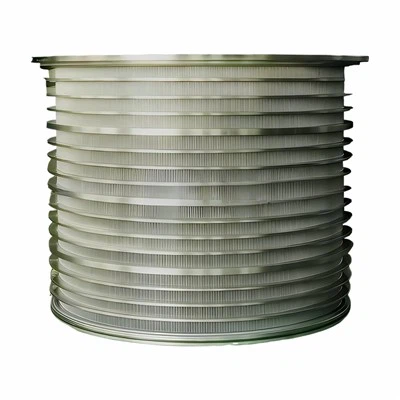
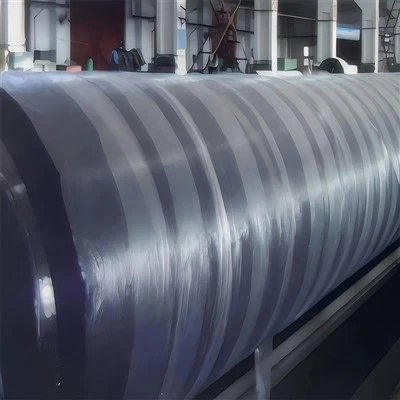
As a supplier of slag removers, I've witnessed firsthand how these remarkable machines can transform the quality of the final product across various industries. In this blog, I'll delve into the science behind slag removers, explore their impact on product quality, and share real-world examples of how they've made a difference.
Understanding Slag and Its Impact on Product Quality
Before we dive into the role of slag removers, let's first understand what slag is and why it's a concern. Slag is a byproduct of metal smelting and refining processes. It consists of impurities, such as oxides, sulfides, and other non-metallic substances, that are separated from the molten metal during the extraction process. While slag can vary in composition depending on the type of metal being processed and the specific refining method used, it generally contains a mixture of silica, alumina, calcium oxide, and other compounds.
The presence of slag in the final product can have several negative effects on its quality. For example, slag can cause surface defects, such as pits, cracks, and inclusions, which can reduce the strength and durability of the metal. It can also affect the chemical composition of the metal, leading to variations in its properties and performance. In addition, slag can interfere with the machining and finishing processes, making it more difficult to achieve the desired surface finish and dimensional accuracy.
How Slag Removers Work
Slag removers are designed to remove slag and other impurities from the molten metal before it is cast or further processed. There are several different types of slag removers available, each with its own unique operating principle and application. Some of the most common types of slag removers include:
-
Heavy Rejects Cleaner: This type of slag remover is designed to remove large, heavy impurities from the molten metal. It works by using a combination of gravity and centrifugal force to separate the slag from the metal. The molten metal is poured into a rotating drum, where the slag is forced to the outer edge of the drum and collected in a separate chamber. The cleaned metal is then discharged from the bottom of the drum. Heavy Rejects Cleaner
-
Light Rejects Cleaner: As the name suggests, this type of slag remover is designed to remove small, light impurities from the molten metal. It works by using a combination of air bubbles and flotation to separate the slag from the metal. The molten metal is poured into a tank, where air bubbles are introduced to the bottom of the tank. The slag particles attach to the air bubbles and rise to the surface of the tank, where they are skimmed off and removed. The cleaned metal is then discharged from the bottom of the tank. Light Rejects Cleaner
-
Sediment Washer: This type of slag remover is designed to remove fine particles and sediment from the molten metal. It works by using a combination of water and agitation to wash the slag from the metal. The molten metal is poured into a tank, where it is mixed with water and agitated to create a slurry. The slag particles are suspended in the slurry and are then removed by a filtration system. The cleaned metal is then discharged from the bottom of the tank. Sediment Washer
Impact of Slag Removers on Product Quality
The use of slag removers can have a significant impact on the quality of the final product. By removing slag and other impurities from the molten metal, slag removers can help to improve the surface finish, dimensional accuracy, and mechanical properties of the metal. They can also reduce the incidence of surface defects, such as pits, cracks, and inclusions, which can improve the overall appearance and performance of the product.
In addition, slag removers can help to improve the chemical composition of the metal by removing impurities that can affect its properties and performance. This can lead to more consistent and predictable product quality, which is essential for many industries, such as aerospace, automotive, and electronics.
Real-World Examples
To illustrate the impact of slag removers on product quality, let's take a look at some real-world examples.
-
Aerospace Industry: In the aerospace industry, the quality of the metal components used in aircraft engines and other critical applications is of utmost importance. Even small defects or impurities in the metal can have a significant impact on the performance and safety of the aircraft. By using slag removers to remove slag and other impurities from the molten metal, aerospace manufacturers can ensure that the metal components they produce meet the strict quality standards required for these applications.
-
Automotive Industry: In the automotive industry, the use of high-quality metal components is essential for ensuring the safety and reliability of vehicles. Slag removers can help to improve the quality of the metal components used in engines, transmissions, and other critical systems by removing impurities that can cause wear and tear, reduce performance, and increase the risk of failure.


-
Electronics Industry: In the electronics industry, the quality of the metal components used in electronic devices is critical for ensuring their performance and reliability. Slag removers can help to improve the quality of the metal components used in printed circuit boards, connectors, and other electronic components by removing impurities that can cause electrical shorts, corrosion, and other problems.
Conclusion
In conclusion, the use of slag removers is essential for ensuring the quality of the final product in many industries. By removing slag and other impurities from the molten metal, slag removers can help to improve the surface finish, dimensional accuracy, and mechanical properties of the metal. They can also reduce the incidence of surface defects, improve the chemical composition of the metal, and lead to more consistent and predictable product quality.
If you're interested in learning more about how our slag removers can help to improve the quality of your final product, please don't hesitate to contact us. We'd be happy to discuss your specific needs and requirements and provide you with a customized solution that meets your budget and timeline.
References
- "Slag Removal in Metal Processing," Metallurgical and Materials Transactions B, Volume 45, Issue 3, pp. 1023-1032.
- "The Role of Slag Removers in Improving Product Quality," Journal of Materials Science and Technology, Volume 30, Issue 6, pp. 541-546.
- "Advances in Slag Removal Technology," International Journal of Minerals, Metallurgy and Materials, Volume 22, Issue 10, pp. 1079-1086.