Hey there! As a supplier in the separator category, I've seen firsthand how these nifty gadgets can revolutionize talent management. Sounds a bit far - fetched, right? But stick with me, and I'll break it down for you.
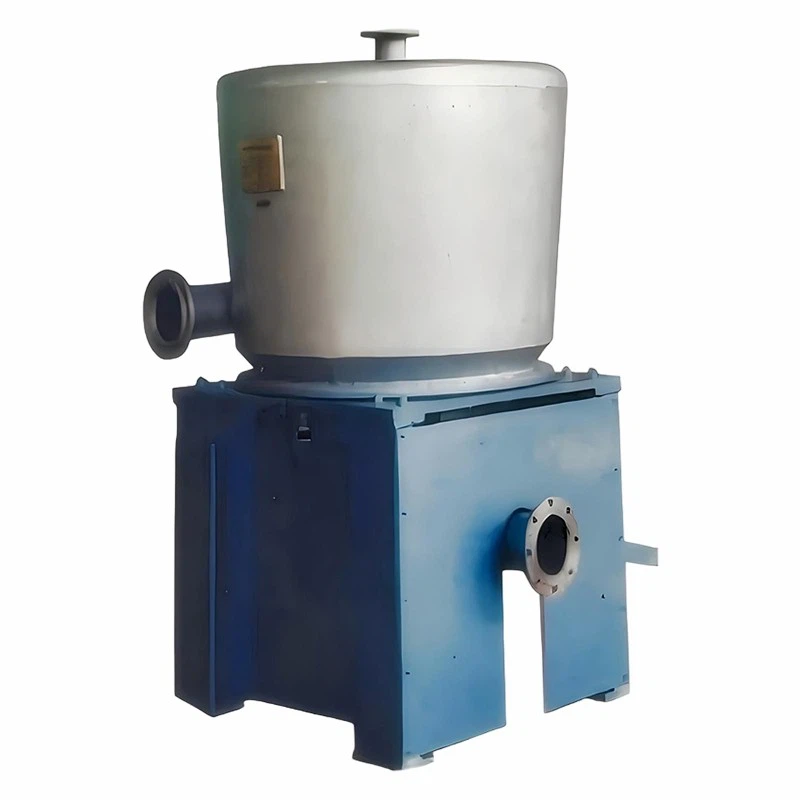
First off, let's understand what separator categories are. Separator equipment, like the Float Purger and Reject Separator, are designed to separate different components from a mixture. In an industrial setting, they're used to clean, sort, and purify materials. But how does this translate to talent management?
Identifying High - Potential Talent
Just like a separator filters out impurities from a mixture, it can help companies sift through a large pool of candidates to find the high - potential ones. In today's job market, companies often receive hundreds, if not thousands, of applications for a single position. It's like trying to find a needle in a haystack.
With the right tools, we can analyze the data associated with each candidate. For example, we can look at their educational background, work experience, and skills. This is similar to how a Reject Separator separates the good materials from the bad ones. By setting specific criteria, we can quickly eliminate candidates who don't meet the basic requirements and focus on those who have the potential to excel in the role.
Training and Development
Once you've identified your high - potential talent, the next step is to develop them. Separator categories can play a role here too. Think of it as a way to customize the training process. Just as different separators are designed for different materials, different employees have different learning needs.
For instance, some employees might be more visual learners, while others prefer hands - on training. By using data analytics, we can understand the learning styles of each employee and create personalized training programs. This is similar to how a Float Purger is adjusted to work with different types of materials. By tailoring the training, we can ensure that employees are getting the most out of it, which in turn leads to better performance and higher job satisfaction.
Performance Evaluation
Performance evaluation is a crucial part of talent management. It helps managers understand how well employees are doing and where they need to improve. Separator categories can provide a more objective way to evaluate performance.
We can use data from various sources, such as project completion rates, customer feedback, and sales figures. By analyzing this data, we can create a clear picture of each employee's performance. This is like using a separator to separate different components of a mixture. We can identify the areas where an employee is excelling and the areas that need improvement.
For example, if an employee has a high project completion rate but low customer satisfaction scores, we can focus on training them in customer service skills. This targeted approach to performance evaluation can lead to more effective talent management and better overall results for the company.
Retaining Top Talent
Retaining top talent is a challenge for many companies. In today's competitive job market, employees have many options. To keep your best employees, you need to create a work environment that meets their needs.
Separator categories can help with this by providing insights into what motivates employees. By analyzing data on employee engagement, job satisfaction, and career goals, we can understand what makes each employee tick. This is similar to how a separator separates different materials based on their properties.
For example, if an employee is highly motivated by career advancement opportunities, we can create a clear career path for them within the company. By addressing the specific needs of each employee, we can increase their loyalty and reduce turnover.
Team Building
Another area where separator categories can have an impact is team building. In a diverse workforce, it's important to create teams that work well together. By analyzing the skills, personalities, and work styles of employees, we can create balanced teams.
We can use data analytics to match employees with complementary skills and personalities. This is like using a separator to combine different materials to create a desired product. For example, if you're working on a project that requires both technical and creative skills, you can create a team with members who have these different skill sets. This can lead to more innovative solutions and better teamwork.
Cost - Efficiency
Let's not forget about cost - efficiency. In talent management, companies often spend a lot of money on recruitment, training, and retention. Separator categories can help reduce these costs.
By using data analytics to identify the most effective recruitment channels, we can focus our resources on the areas that are most likely to yield high - quality candidates. This is similar to how a separator focuses on separating the valuable materials from the rest. By reducing the number of unqualified candidates, we can save time and money in the recruitment process.
In training, personalized programs based on data analysis can be more cost - effective. Instead of providing one - size - fits - all training, we can target the specific needs of each employee, which means less waste of resources.
Conclusion
So, as you can see, separator categories have a lot to offer in talent management. From identifying high - potential talent to retaining top performers, these tools can provide valuable insights and help companies make more informed decisions.
If you're interested in learning more about how separator categories can benefit your talent management processes, I'd love to have a chat. Whether you're looking to improve your recruitment, training, performance evaluation, or retention strategies, we have the expertise and tools to help. Don't hesitate to reach out and start a conversation about how we can work together to take your talent management to the next level.

References
- Armstrong, M. (2019). Armstrong's Handbook of Human Resource Management Practice. Kogan Page.
- Ulrich, D. (2013). Human Resource Champions: The Next Agenda for Adding Value and Delivering Results. Harvard Business School Press.