Hey there! As a supplier of Disc Heat - Dispersers, I've been getting a lot of questions lately about how fluid viscosity impacts the power consumption of these machines. So, I thought I'd take a deep dive into this topic and share what I've learned.
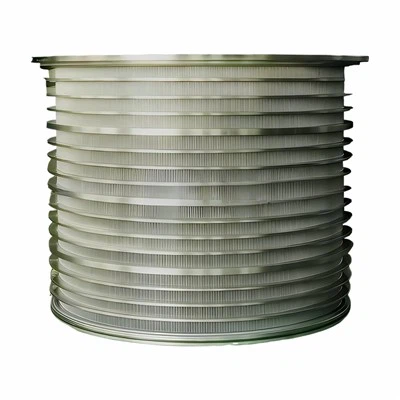
First off, let's quickly go over what a Disc Heat - Disperser is. You can check out more details Disc Heat-Disperser. It's a key piece of equipment in the paper - making and other industries. It works by breaking down and dispersing various substances in a fluid medium, using a set of rotating discs to generate high shear forces.
Now, onto fluid viscosity. Viscosity is basically a measure of a fluid's resistance to flow. Think of it like this: honey is more viscous than water. Honey flows more slowly because its molecules are more sticky and resistant to movement. In the context of a Disc Heat - Disperser, the viscosity of the fluid being processed can have a huge impact on how the machine operates and how much power it consumes.
When the fluid has a low viscosity, it flows easily. The discs in the disperser can move through the fluid with relatively little resistance. This means that the motor doesn't have to work as hard to turn the discs. As a result, the power consumption of the Disc Heat - Disperser is lower. For example, if you're processing a thin liquid like a water - based solution with a low - viscosity additive, the machine can run smoothly with less energy input.
On the other hand, high - viscosity fluids are a whole different ballgame. When the fluid is thick and sticky, the discs have to push through a much more resistant medium. It's like trying to stir a pot of thick molasses compared to a pot of water. The motor has to work harder to turn the discs at the required speed, which leads to an increase in power consumption.
Let's look at some of the factors that come into play when dealing with high - viscosity fluids. One major factor is the shear rate. The shear rate is the rate at which the fluid is being deformed as it passes between the rotating discs. In high - viscosity fluids, achieving a high shear rate requires more power. The machine has to generate enough force to break apart the thick fluid and disperse the substances evenly.
Another aspect is the temperature. Viscosity is often temperature - dependent. In many cases, increasing the temperature of a fluid can reduce its viscosity. In a Disc Heat - Disperser, we can use the heat generated during the dispersion process to help lower the viscosity of the fluid. This can lead to a decrease in power consumption. However, we need to be careful not to overheat the fluid, as this can cause other problems such as chemical reactions or damage to the product.
Now, you might be wondering how all of this affects the overall performance of the Disc Heat - Disperser. Well, if the power consumption is too high due to high - viscosity fluids, it can lead to increased operating costs. This is something that our customers are always concerned about. That's why we're constantly working on improving our machines to handle high - viscosity fluids more efficiently.
One way we do this is by optimizing the design of the discs. We've developed discs with special geometries that can better handle high - viscosity fluids. These discs are designed to generate more efficient shear forces, which means that we can achieve the same level of dispersion with less power.
We also offer a Paper Machine Kneader that can work in conjunction with the Disc Heat - Disperser. The kneader can pre - process the high - viscosity fluid, reducing its viscosity before it enters the disperser. This can significantly reduce the power consumption of the disperser.
In addition to design improvements, we also provide our customers with detailed operating guidelines. We help them understand how to adjust the machine settings based on the viscosity of the fluid they're processing. For example, if the fluid has a very high viscosity, we might recommend increasing the temperature slightly or adjusting the speed of the discs.
To sum it up, fluid viscosity has a significant impact on the power consumption of a Disc Heat - Disperser. High - viscosity fluids require more power to process, but with the right design and operating strategies, we can minimize the energy consumption. As a supplier, we're committed to helping our customers reduce their operating costs and improve the efficiency of their processes.


If you're in the market for a Disc Heat - Disperser or have any questions about how viscosity affects power consumption, don't hesitate to reach out. We'd be more than happy to discuss your specific needs and find the best solution for you.
References
- Smith, J. (2020). "Fluid Dynamics in Industrial Dispersers". Journal of Industrial Fluid Science.
- Brown, A. (2019). "The Impact of Viscosity on Power Consumption in Processing Equipment". Industrial Engineering Review.