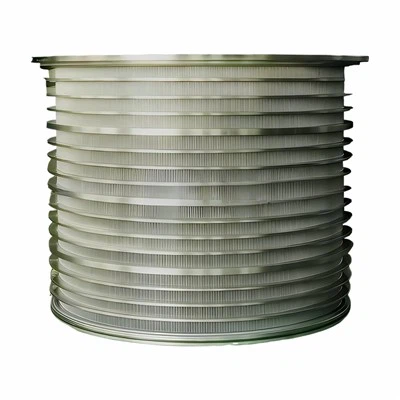
The toothed deflaker is a crucial piece of equipment in the pulp and paper industry, designed to break up pulp flakes into individual fibers. At the heart of this machine lies the motor, which plays a multifaceted and indispensable role. As a toothed deflaker supplier, I am well - versed in the significance of the motor in ensuring the efficient operation of these machines.
Power Provision
The primary function of the motor in a toothed deflaker is to provide the necessary power. The toothed deflaker works by using rotating discs with teeth to break apart pulp flakes. This process requires a significant amount of mechanical energy. The motor converts electrical energy into mechanical energy, which drives the rotation of the discs. A high - powered motor is essential, especially when dealing with large - scale pulp production. For instance, in a commercial pulp mill where thousands of tons of pulp are processed daily, a motor with sufficient horsepower can ensure that the deflaker operates at an optimal speed to handle the high volume of pulp.
The power output of the motor directly affects the performance of the toothed deflaker. If the motor is under - powered, the deflaker may not be able to rotate the discs at the required speed, resulting in incomplete deflaking. This can lead to pulp with a high percentage of unbroken flakes, which is unacceptable in the paper - making process. On the other hand, an over - sized motor can be wasteful in terms of energy consumption and may also cause unnecessary wear and tear on the deflaker components. Therefore, selecting the right motor with an appropriate power rating is crucial.
Speed Control
Another important role of the motor is speed control. Different types of pulp require different deflaking speeds. For example, softwood pulp may need a different rotational speed compared to hardwood pulp. The motor allows for precise control of the disc rotation speed. Modern motors used in toothed deflakers are often equipped with variable frequency drives (VFDs). VFDs enable the operator to adjust the motor speed according to the specific requirements of the pulp being processed.
This speed control feature is not only beneficial for achieving optimal deflaking results but also for energy efficiency. By adjusting the motor speed to match the load, the deflaker can operate at a more energy - efficient level. For example, when the pulp flow rate is low, the motor speed can be reduced, saving electricity. Additionally, speed control helps in reducing mechanical stress on the deflaker components. By avoiding excessive speeds, the wear and tear on the discs, bearings, and other parts are minimized, extending the lifespan of the equipment.
Torque Generation
Torque is the rotational force that the motor generates. In a toothed deflaker, sufficient torque is required to start the rotation of the discs, especially when the deflaker is filled with pulp. The initial start - up of the deflaker can be challenging as it has to overcome the static friction of the pulp and the inertia of the rotating parts. A motor with high starting torque can ensure a smooth start - up process.
During normal operation, the motor also needs to maintain a consistent torque to keep the discs rotating at a steady speed. Fluctuations in torque can cause uneven deflaking and may even lead to equipment damage. For example, if the torque drops suddenly, the discs may slow down, resulting in incomplete deflaking. On the other hand, excessive torque can put too much stress on the mechanical components, leading to premature failure. Therefore, a motor with stable torque characteristics is essential for the reliable operation of the toothed deflaker.
Compatibility with Other Components
The motor in a toothed deflaker needs to be compatible with other components of the machine. It has to be properly sized and configured to fit the mechanical design of the deflaker. For example, the motor's shaft size and coupling type must match those of the deflaker's drive system. This ensures a seamless transfer of power from the motor to the rotating discs.
Moreover, the motor's electrical characteristics should be compatible with the power supply and control system of the deflaker. In modern pulp mills, the entire production line is often automated, and the motor needs to be able to communicate and integrate with the overall control system. This allows for centralized monitoring and control of the deflaker, improving the efficiency of the entire production process.
Impact on Overall System Efficiency
The performance of the motor has a direct impact on the overall efficiency of the toothed deflaker and the entire pulp production system. An efficient motor can reduce energy consumption, which is a significant cost factor in the pulp and paper industry. By using a motor with high efficiency ratings, such as those meeting the latest energy - saving standards, the operating costs of the deflaker can be significantly reduced.
In addition, a reliable motor can minimize downtime. Unplanned motor failures can disrupt the production process, leading to lost production time and increased maintenance costs. A high - quality motor with a long service life and low failure rate can ensure continuous operation of the toothed deflaker, improving the overall productivity of the pulp mill.
Comparison with Other Refining Equipment
When comparing the role of the motor in a toothed deflaker with other refining equipment such as the DD Series Double Disc Refiner, KTF Refiner, and KZM Series Conical Refiner, there are both similarities and differences.
In all these refining machines, the motor provides power and enables speed control. However, the specific power requirements, speed ranges, and torque characteristics may vary depending on the design and function of each machine. For example, the DD Series Double Disc Refiner may require a more powerful motor due to its larger refining area and higher processing capacity. The KTF Refiner, on the other hand, may have different speed and torque requirements based on its unique refining mechanism.
Conclusion
In conclusion, the motor in a toothed deflaker plays a vital role in power provision, speed control, torque generation, compatibility with other components, and overall system efficiency. As a toothed deflaker supplier, we understand the importance of selecting the right motor for each application. We offer a range of toothed deflakers with carefully selected motors to meet the diverse needs of our customers in the pulp and paper industry.


If you are in the market for a toothed deflaker or are interested in upgrading your existing equipment, we invite you to contact us for a detailed discussion. Our team of experts can provide you with professional advice and solutions tailored to your specific requirements. Whether you need a high - power motor for large - scale production or a more energy - efficient motor for cost - savings, we have the right product for you.
References
- Smith, J. (2018). Pulp and Paper Machinery Handbook. Wiley.
- Jones, A. (2020). Motor Selection and Application in Industrial Equipment. Elsevier.
- Brown, R. (2019). Energy - Efficient Motors in the Pulp and Paper Industry. Springer.