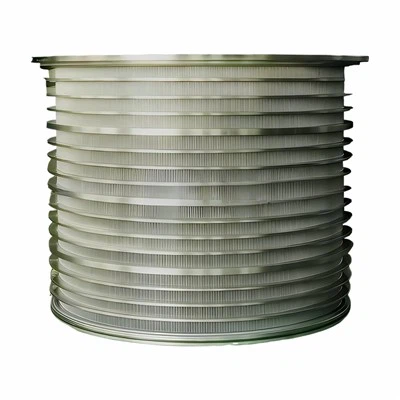
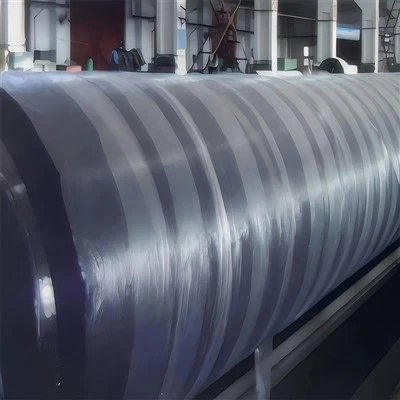
Hey there! As a supplier of Screw Press Thickeners, I'm super excited to walk you through the startup process of these nifty machines. Whether you're new to the game or just looking to brush up on your knowledge, this blog post is for you.
First things first, let's talk about what a Screw Press Thickener actually does. In a nutshell, it's a piece of equipment used to thicken pulp or other fibrous materials. It works by using a screw to compress the material, squeezing out the excess water and increasing the consistency. This is a crucial step in many industries, including paper manufacturing, wastewater treatment, and food processing.
Pre - startup Checks
Before you even think about starting the Screw Press Thickener, you need to do a thorough pre - startup check. This is like giving your car a once - over before a long road trip.


- Inspect the Machine: Walk around the Screw Press Thickener and look for any obvious signs of damage or wear. Check the screws, bearings, belts, and any other moving parts. Make sure everything is in good condition and properly tightened. If you notice any issues, it's best to fix them before you start the machine.
- Lubrication: Proper lubrication is essential for the smooth operation of the Screw Press Thickener. Check the oil levels in the gearbox, bearings, and other lubricated parts. If the oil is low, top it up with the recommended lubricant. Also, make sure the lubrication system is working properly and there are no leaks.
- Electrical System: Inspect the electrical connections and wiring. Make sure all the switches are in the off position and there are no loose wires or exposed conductors. Check the voltage and amperage ratings to ensure they are within the machine's specifications. If you're not comfortable working with electricity, it's best to have a qualified electrician do this check.
- Feed and Discharge Systems: Examine the feed and discharge systems. The feed system should be clean and free of any blockages. The discharge chute or conveyor should also be clear and able to handle the thickened material. You can use a High - speed Washer to pre - treat the material before it enters the Screw Press Thickener, which can improve the thickening efficiency.
Startup Steps
Once you've completed the pre - startup checks, you're ready to start the Screw Press Thickener. Here are the steps to follow:
- Power On: Turn on the main power switch for the Screw Press Thickener. You'll usually hear a hum as the electrical system comes to life. Check the control panel to make sure all the indicators are showing normal operation.
- Start the Screw: Slowly start the screw rotation. Most Screw Press Thickeners have a variable speed drive, so you can start at a low speed and gradually increase it as the machine warms up. Listen for any unusual noises or vibrations. If you hear anything strange, stop the machine immediately and check for the cause.
- Start the Feed: Once the screw is running smoothly, start feeding the material into the Screw Press Thickener. Start with a low feed rate and gradually increase it as the machine can handle it. Make sure the material is evenly distributed across the feed opening to avoid uneven compression.
- Monitor the Process: Keep an eye on the control panel and the operation of the machine. Check the pressure, temperature, and motor current. These parameters can give you an indication of how well the machine is working. If the pressure is too high or the temperature is rising rapidly, it could be a sign of a problem.
- Adjust the Settings: As the machine runs, you may need to adjust the settings to optimize the thickening process. You can adjust the screw speed, feed rate, and discharge opening to achieve the desired consistency of the thickened material.
Post - startup Checks
After the Screw Press Thickener has been running for a while, it's important to do some post - startup checks.
- Check the Output: Examine the thickened material coming out of the discharge chute. It should have the desired consistency and be free of any large chunks or clumps. If the output is not satisfactory, you may need to adjust the machine settings.
- Inspect the Machine Again: Take another look at the machine while it's running. Check for any signs of overheating, leaks, or excessive wear. Make sure all the moving parts are still in good condition.
- Record the Data: Keep a record of the operating parameters, such as the pressure, temperature, feed rate, and output consistency. This data can be useful for troubleshooting and improving the performance of the Screw Press Thickener in the future.
Troubleshooting
Even with proper startup and operation, you may encounter some problems with the Screw Press Thickener. Here are some common issues and their solutions:
- Low Thickening Efficiency: If the thickened material has a lower consistency than expected, it could be due to a low feed rate, a worn screw, or a clogged discharge opening. You can try increasing the feed rate, replacing the worn screw, or cleaning the discharge opening.
- Excessive Noise or Vibration: This could be caused by loose parts, misaligned components, or a damaged bearing. Stop the machine and check for the cause. Tighten any loose parts, realign the components, or replace the damaged bearing.
- Overheating: Overheating can be caused by a lack of lubrication, a blocked cooling system, or overloading the machine. Check the lubrication levels, clean the cooling system, and reduce the feed rate if necessary.
Why Choose Our Screw Press Thickener
Our Screw Press Thickener is designed with the latest technology and high - quality materials. It offers several advantages:
- High Efficiency: Our Screw Press Thickener can achieve a high thickening ratio in a short time, which can improve your production efficiency.
- Low Maintenance: With its robust design and high - quality components, our machine requires minimal maintenance, reducing your downtime and operating costs.
- Customizable: We can customize the Screw Press Thickener according to your specific requirements, such as the capacity, feed material, and desired output consistency.
If you're interested in our Screw Press Thickener or have any questions about the startup process or operation, feel free to contact us for a purchase negotiation. We're here to help you find the best solution for your thickening needs.
References
- "Pulp and Paper Manufacturing Technology" by G. A. Smook
- "Wastewater Treatment Handbook" by Metcalf & Eddy