Hey there! As a separator category supplier, I often get asked if a separator category is the same as a classification system. It's a question that might seem straightforward at first glance, but it actually delves into some pretty interesting aspects of industrial processes and categorization. So, let's break it down and see what's what.
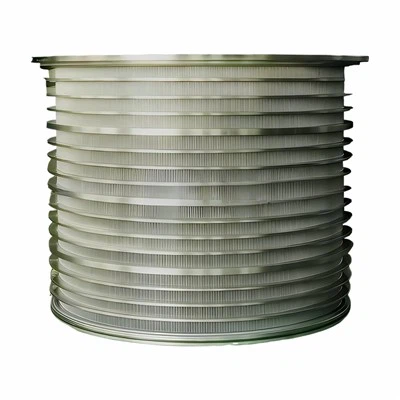
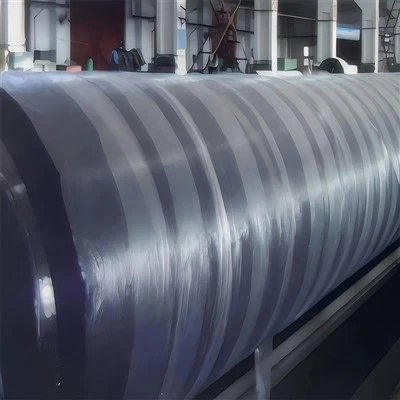
First off, let's talk about what a separator category is. In my line of work, a separator category refers to a group of equipment designed to separate different materials based on certain physical properties. For example, we have Reject Separator that are used to remove unwanted materials from a product stream. These separators can work on the principle of size, density, or even magnetic properties. They're like the bouncers at a club, only letting in the good stuff and kicking out the riff - raff.
On the other hand, a classification system is a broader concept. It's a way of organizing things into groups based on their characteristics. Classification systems can be used in all sorts of fields, from biology (think of the Linnaean classification of species) to library science (the Dewey Decimal System). In an industrial context, a classification system might be used to group products, processes, or even equipment based on their functions, performance, or other relevant criteria.
So, are they the same? Well, not really. A separator category is a specific type of classification within the realm of industrial equipment. It's a subset of the larger classification system that encompasses all kinds of machinery and tools used in manufacturing and processing.
Let's take a closer look at some of the separator category products I supply. One of our popular items is the Float Purger. This piece of equipment is used to separate floating materials from a liquid stream. It's great for industries like food and beverage, where you might need to remove floating debris or foam from a product. The Float Purger is a prime example of how a separator category product serves a very specific function within a larger industrial process.

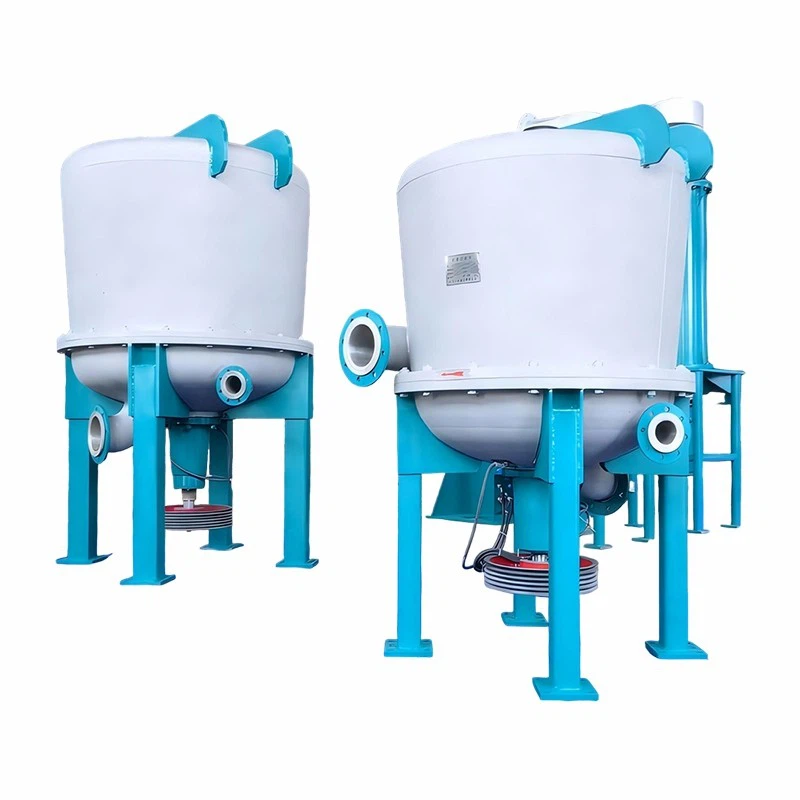
When it comes to classification systems, they can be much more complex. They might involve multiple levels of categorization, with each level providing more detailed information about the items being classified. For instance, in a classification system for industrial equipment, you might have broad categories like "separators," "mixers," and "conveyors." Under the "separators" category, you could have sub - categories like "gravity separators," "centrifugal separators," and so on.
Another difference between a separator category and a classification system is the purpose. The main goal of a separator category product is to perform a physical separation task. It's all about getting the job done on the factory floor. A classification system, however, is more about organization and information management. It helps engineers, managers, and other professionals quickly understand the characteristics and capabilities of different equipment or products.
But here's where things get a bit blurry. A well - designed classification system can actually help in the selection and use of separator category products. For example, if you have a clear classification system for separators, it becomes easier to compare different models based on their performance, capacity, and other factors. This can lead to more informed purchasing decisions and better overall efficiency in the production process.
Let's think about it from a practical perspective. Say you're running a recycling plant, and you need to separate different types of plastics. You might start by looking at the classification system for separators to find the right category of equipment. Then, within that category, you can evaluate different models based on their specific features and capabilities. This way, the classification system acts as a roadmap to help you navigate the vast world of separator category products.
In some cases, the development of separator category products can even influence the classification system. As new technologies emerge and new types of separators are invented, the existing classification system might need to be updated to accommodate these changes. This shows that there's a two - way relationship between the two.
Now, I know all this talk about separators and classification systems might seem a bit technical, but it's really important for anyone involved in industrial processes. Whether you're a plant manager looking to upgrade your equipment or an engineer designing a new production line, understanding the difference between a separator category and a classification system can save you a lot of time and headaches.
If you're in the market for separator category products, I'd love to have a chat with you. I've got years of experience in this industry, and I can help you find the right equipment for your specific needs. Whether you need a Reject Separator to clean up your product stream or a Float Purger to handle floating materials, I've got you covered.
So, don't hesitate to reach out. Let's have a discussion about your requirements, and I'm sure we can come up with a solution that works for you. Whether it's improving your production efficiency, reducing waste, or enhancing the quality of your products, the right separator category equipment can make a big difference.
In conclusion, while a separator category and a classification system are not the same, they are closely related. A separator category is a specific type of classification within the industrial equipment landscape, and a classification system provides a framework for understanding and selecting these products. By understanding the nuances between the two, you can make more informed decisions and get the most out of your industrial processes.
References
- General knowledge of industrial equipment and classification systems in the manufacturing industry.
- Product knowledge of separator category products supplied by the author.