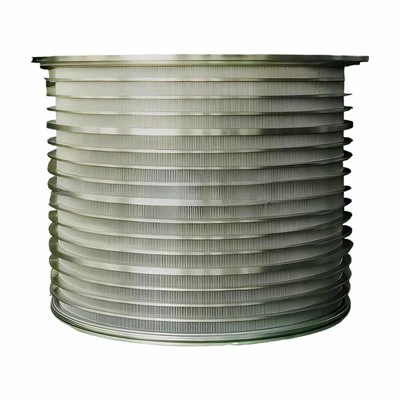
As a supplier of pulping equipment, understanding the vibration level of our machinery during operation is crucial. Vibration is not just a random physical phenomenon; it serves as an important indicator of the equipment's health, performance, and overall efficiency. In this blog, we will delve into the significance of vibration levels in pulping equipment, the factors that influence them, and how proper management of vibration can enhance the longevity and productivity of the machinery.
The Significance of Vibration Levels in Pulping Equipment
Vibration in pulping equipment can have both positive and negative impacts. On one hand, a certain level of vibration is normal and even necessary for the proper functioning of the equipment. For example, in some pulpers, vibration can help in the efficient mixing and disintegration of the pulp materials. It aids in breaking down the fibers and ensuring a uniform consistency of the pulp.
On the other hand, excessive vibration can be a sign of underlying problems. It can lead to increased wear and tear on the equipment components, such as bearings, shafts, and gears. Over time, this can result in premature failure of these parts, leading to costly repairs and downtime. Moreover, high - vibration levels can also cause noise pollution in the workplace, which is not only a nuisance but can also pose a risk to the hearing health of the workers.
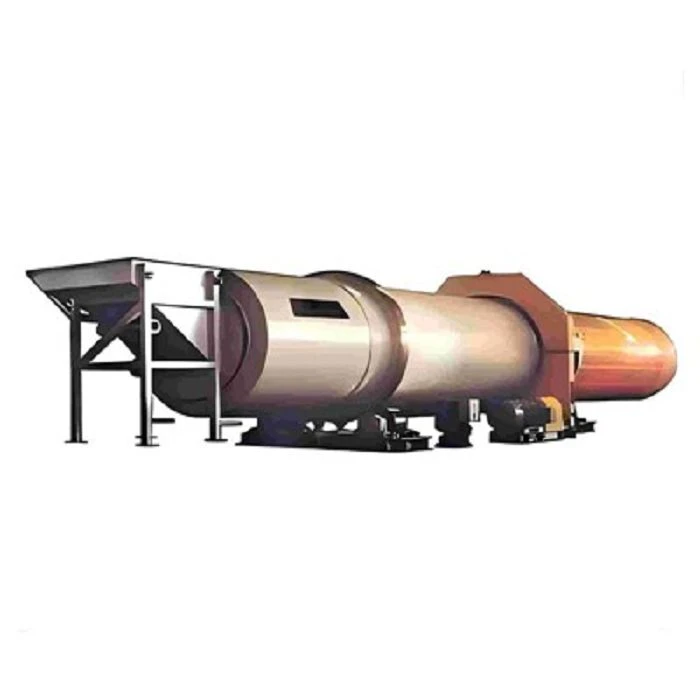

Factors Influencing the Vibration Level of Pulping Equipment
1. Design and Manufacturing Quality
The design of the pulping equipment plays a significant role in determining its vibration characteristics. A well - designed machine will have a balanced structure and proper alignment of its components. For instance, in a Drump Pulper, the shape and size of the drum, as well as the placement of the agitators, are carefully engineered to minimize vibration.
Manufacturing quality is equally important. Any defects in the manufacturing process, such as uneven machining of parts or improper assembly, can lead to increased vibration. For example, if the bearings are not installed correctly, it can cause the shaft to run out of balance, resulting in excessive vibration.
2. Operating Conditions
The way the pulping equipment is operated can also have a major impact on its vibration level. The feed rate of the pulp materials is a critical factor. If the feed rate is too high, the equipment may be overloaded, causing it to vibrate more. Similarly, the consistency of the pulp can affect vibration. A pulp with a very high or very low consistency may require different operating parameters, and if these are not adjusted properly, it can lead to increased vibration.
The speed of the equipment is another important operating condition. Running the pulping equipment at speeds outside its recommended range can cause resonance, which is a phenomenon where the natural frequency of the equipment matches the frequency of the vibration, resulting in a significant increase in vibration amplitude.
3. Maintenance and Wear
Regular maintenance is essential for keeping the vibration level of pulping equipment in check. Lack of proper lubrication can cause increased friction between moving parts, leading to higher vibration. For example, in a H.C.Hydrapulper, the bearings need to be lubricated at regular intervals to ensure smooth operation.
Wear and tear on the equipment components over time can also increase vibration. As the blades of the agitator wear down, they may not be able to mix the pulp evenly, causing the equipment to vibrate more. Similarly, worn - out bearings can cause the shaft to wobble, resulting in increased vibration.
Measuring and Monitoring Vibration Levels
To effectively manage the vibration level of pulping equipment, it is necessary to measure and monitor it regularly. There are several methods available for measuring vibration. One common method is to use accelerometers. These devices can be attached to the equipment at various points to measure the acceleration of the vibration. The data collected by the accelerometers can then be analyzed to determine the frequency and amplitude of the vibration.
Another method is to use vibration sensors that can detect changes in the vibration level over time. These sensors can be integrated into the equipment's control system, allowing for real - time monitoring. If the vibration level exceeds a certain threshold, an alarm can be triggered, alerting the operators to take corrective action.
Controlling and Reducing Vibration Levels
1. Balancing and Alignment
One of the most effective ways to reduce vibration is to ensure proper balancing and alignment of the equipment components. This involves checking and adjusting the balance of rotating parts, such as the shafts and impellers. For example, in a Dry Broke Pulper, the rotor needs to be balanced to minimize vibration.
Alignment of the components is also crucial. The shafts should be aligned properly to ensure that the power is transmitted smoothly without causing excessive vibration. This may require the use of precision alignment tools and techniques.
2. Maintenance and Repair
Regular maintenance is key to controlling vibration levels. This includes tasks such as lubrication, replacement of worn - out parts, and cleaning of the equipment. By keeping the equipment in good condition, the risk of increased vibration due to wear and tear can be minimized.
When a problem is detected, prompt repair is essential. Ignoring a small vibration problem can lead to more serious issues in the long run. For example, if a bearing is making a strange noise, it should be replaced immediately to prevent further damage to the shaft and other components.
3. Operating Parameter Optimization
Optimizing the operating parameters of the pulping equipment can also help in reducing vibration. This involves adjusting the feed rate, pulp consistency, and speed of the equipment to ensure that it operates within its optimal range. By doing so, the equipment can operate more smoothly, with less vibration.
Conclusion
The vibration level of pulping equipment during operation is a critical factor that can significantly affect its performance, longevity, and the safety of the workplace. As a pulping equipment supplier, we are committed to providing high - quality equipment with low vibration levels. By understanding the factors that influence vibration, measuring and monitoring it regularly, and taking appropriate measures to control and reduce it, we can ensure that our customers get the most out of our equipment.
If you are in the market for pulping equipment or need advice on managing the vibration levels of your existing machinery, we invite you to contact us for a detailed discussion. Our team of experts is ready to assist you in finding the best solutions for your pulping needs.
References
- Doebling, S. W., Farrar, C. R., Prime, M. B., & Shevitz, D. W. (1996). Damage identification and health monitoring of structural and mechanical systems from changes in their vibration characteristics: A literature review. Los Alamos National Lab., NM (United States).
- Meirovitch, L. (2001). Fundamentals of vibrations. McGraw - Hill.
- Rao, S. S. (2011). Mechanical vibrations. Pearson Education India.