Hey there! As a supplier of roller equipment, I'm super stoked to dive into the materials used to make these nifty pieces of gear. Roller equipment is all around us, from industrial settings to everyday appliances, and the materials we choose play a huge role in how well they work.
Let's start with one of the most common materials: steel. Steel is a go - to for many roller applications. It's strong, durable, and can handle a lot of wear and tear. In industrial settings, steel rollers are used in conveyor systems. These systems are like the highways of a factory, moving products from one place to another. The steel rollers need to be tough enough to support heavy loads and keep things moving smoothly. For example, in a large - scale manufacturing plant, steel rollers are used to transport large sheets of metal or heavy machinery parts. The high strength of steel ensures that the rollers can withstand the weight without deforming or breaking.
Another great thing about steel is its versatility. We can treat it in different ways to enhance its properties. Heat treatment, for instance, can make the steel harder and more resistant to abrasion. This is crucial in applications where the rollers are constantly in contact with rough surfaces. We can also coat the steel rollers with materials like chrome to improve their corrosion resistance. This is especially important in environments where the rollers are exposed to moisture or chemicals.


Now, let's talk about rubber. Rubber rollers are widely used in printing and paper - handling industries. They offer excellent grip, which is essential for tasks like feeding paper through a printer or a copier. The rubber material conforms to the surface of the paper, ensuring smooth and consistent movement. In a printing press, rubber rollers transfer ink from the ink fountain to the printing plate and then to the paper. The softness of the rubber allows it to pick up the right amount of ink and distribute it evenly.
One of the key advantages of rubber rollers is their ability to absorb shock. This is useful in applications where there are sudden movements or vibrations. For example, in a packaging machine, rubber rollers can help reduce the impact when products are being loaded or unloaded. However, rubber rollers do have their limitations. They can wear out over time, especially if they are used in high - speed or high - friction applications. So, proper maintenance and replacement are necessary to keep them in top condition.
Plastic is another material that we use to make roller equipment. Plastic rollers are lightweight and cost - effective. They are often used in applications where weight is a concern, such as in small - scale conveyor systems or in household appliances. For example, in a home - use printer, plastic rollers are used to feed paper through the machine. They are easy to manufacture and can be produced in various shapes and sizes.
Plastic also has good chemical resistance, which makes it suitable for use in environments where there are chemicals present. However, plastic rollers may not be as strong as steel or rubber rollers. They are more prone to breakage if they are subjected to heavy loads or high - stress situations.
Ceramic is a less common but very specialized material for roller equipment. Ceramic rollers are known for their high hardness and wear resistance. They are often used in high - temperature and high - precision applications. In the glass manufacturing industry, ceramic rollers are used to transport glass sheets at high temperatures. The high heat resistance of ceramic ensures that the rollers can maintain their shape and performance even in extreme conditions.
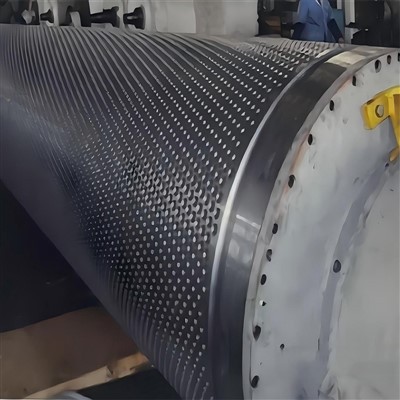
Now, let me introduce you to some of our awesome roller products. We have the Ф 1100X7921 VAC ROLL. This roller is made with high - quality steel and is designed for heavy - duty applications. It can handle large loads and is very reliable. Another great product is the Ф 1500/5050 Press Roll. This press roll is used in paper - making and other industrial processes. It's made with a combination of steel and rubber to provide the right balance of strength and grip. And then there's the Expander Roll. This roll is used to expand and flatten materials like fabrics or films. It's made with a special design and materials to ensure smooth and efficient operation.
When it comes to choosing the right material for roller equipment, there are several factors to consider. The application is the most important one. If you need a roller for a high - speed conveyor system, steel or ceramic might be the best choice. If you're looking for a roller for a printing press, rubber would be more suitable. The environment where the roller will be used also matters. If it's a corrosive environment, you'll need a roller with good corrosion resistance, like a chrome - coated steel roller or a plastic roller.
Cost is another factor. Steel rollers are generally more expensive than plastic rollers, but they offer better performance and durability. You need to balance the cost with the performance requirements of your application.
In conclusion, the materials used to make roller equipment are diverse, and each has its own advantages and disadvantages. As a supplier, we have the expertise to help you choose the right roller for your specific needs. Whether you're in the manufacturing, printing, or packaging industry, we've got the perfect roller solution for you.
If you're interested in our roller equipment or have any questions about the materials and applications, don't hesitate to reach out. We're here to assist you in finding the best roller products for your business. Let's start a conversation and see how we can work together to meet your requirements.
References:
- Industrial Roller Handbook
- Materials Science for Engineering Applications