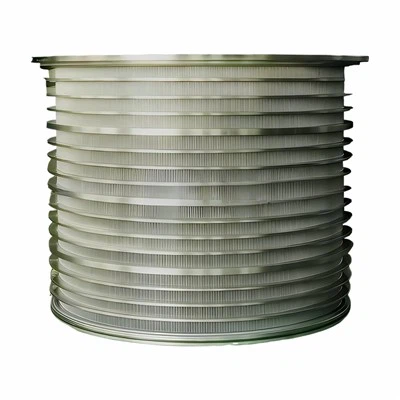
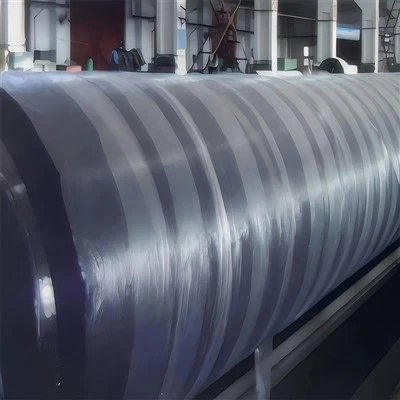
Hey there! As a supplier of separator categories, I've seen firsthand how these nifty devices are used in a whole bunch of industries. In this blog post, I'm gonna break down the various applications of separator categories and show you just how versatile they can be.
Food and Beverage Industry
Let's start with the food and beverage industry. This is one area where separator categories are super important. In the production of fruit juices, for example, separators are used to remove pulp, seeds, and other solid particles from the juice. This not only gives the juice a clearer appearance but also improves its taste and shelf - life.
In dairy processing, separators play a crucial role in separating cream from milk. The Reject Separator can be used to get rid of any unwanted impurities like dirt or small pieces of debris. And when it comes to making cheese, separators help in separating whey from curds, which is an essential step in the cheese - making process.
In the brewing industry, separators are used to clarify beer by removing yeast and other solids. This results in a cleaner, more visually appealing beer. The Float Purger, like the one described on Float Purger, can be used to remove any floating particles that might affect the quality of the final product.
Chemical Industry
The chemical industry also relies heavily on separator categories. In chemical manufacturing, separators are used to separate different chemical compounds. For instance, in the production of petrochemicals, separators are used to separate crude oil into its various components like gasoline, diesel, and jet fuel.
Separators are also used in the pharmaceutical industry. They help in purifying drugs by separating the active ingredients from impurities. This is crucial for ensuring the safety and effectiveness of medications. In chemical waste treatment, separators are used to separate harmful chemicals from water or other solvents, making it easier to dispose of the waste safely.
Mining and Minerals Industry
In the mining and minerals industry, separator categories are a game - changer. When extracting minerals from ore, separators are used to separate the valuable minerals from the gangue (the unwanted rock and dirt). Gravity separators, for example, use the difference in density between the minerals and the gangue to separate them.
Magnetic separators are also widely used. They can separate magnetic minerals from non - magnetic ones. This is especially useful in the production of iron ore, where magnetic separators are used to concentrate the iron content. And in the recycling of electronic waste, separators can be used to separate valuable metals like gold, silver, and copper from other materials.
Water Treatment Industry
The water treatment industry couldn't function without separator categories. In municipal water treatment plants, separators are used to remove suspended solids, such as sand, silt, and organic matter, from raw water. This is the first step in making the water safe for human consumption.
In wastewater treatment, separators are used to separate solids from the liquid waste. This helps in reducing the volume of sludge and making the treatment process more efficient. For example, sedimentation separators allow the heavier solids to settle at the bottom, while the cleaner water can be further treated or discharged.
Oil and Gas Industry
In the oil and gas industry, separator categories are essential for separating oil, gas, and water. At the wellhead, separators are used to separate the crude oil from natural gas and water that come out of the well. This is important for transporting the oil and gas safely and efficiently.
In refineries, separators are used to further separate the crude oil into different fractions. They can also be used to remove impurities like sulfur from the oil, which helps in reducing pollution and meeting environmental standards.
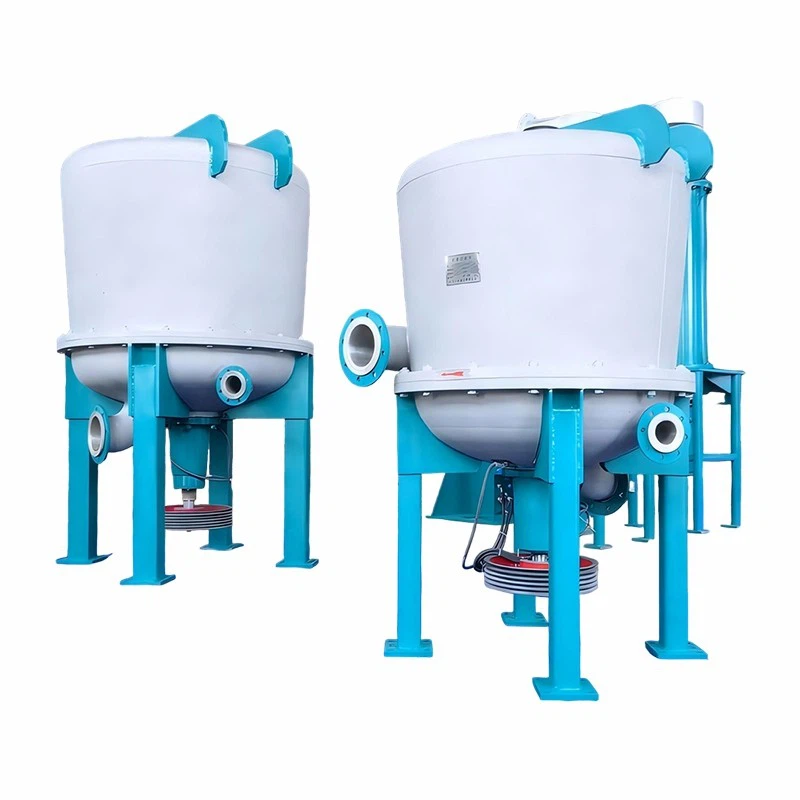

Agriculture Industry
In the agriculture industry, separator categories have several applications. In grain processing, separators are used to separate the grains from chaff, dust, and other foreign materials. This ensures that the grains are clean and of high quality before they are sold or processed further.
In the production of animal feed, separators can be used to separate different ingredients based on their size and density. This helps in creating a more uniform and nutritious feed for livestock.
Recycling Industry
The recycling industry is another area where separator categories shine. In paper recycling, separators are used to separate ink, glue, and other contaminants from the paper fibers. This allows the fibers to be reused in the production of new paper.
In plastic recycling, separators can separate different types of plastics based on their density. This is important because different plastics have different melting points and properties, and separating them allows for more efficient recycling.
Construction Industry
In the construction industry, separator categories are used in the production of building materials. For example, in the production of cement, separators are used to separate the raw materials based on their particle size. This helps in ensuring a consistent quality of the cement.
In the production of asphalt, separators are used to separate the asphalt from other components like aggregates and fillers. This helps in creating a high - quality asphalt mix for roads and other construction projects.
Conclusion
As you can see, separator categories are used in a wide range of industries, from food and beverage to construction. Their versatility and ability to separate different materials make them an essential part of many manufacturing and processing operations.
If you're in any of these industries and are looking for high - quality separator categories, I'd love to have a chat with you. Whether you need a Reject Separator for your food processing plant or a Float Purger for your chemical manufacturing facility, we've got you covered. Reach out to us to start a conversation about your specific needs and how we can help you improve your production processes.
References
- Smith, J. (2020). Handbook of Separation Techniques in Chemical Engineering. McGraw - Hill.
- Brown, A. (2019). Industrial Separation Processes: Principles and Practice. Wiley.
- Green, D. W., & Perry, R. H. (2018). Perry's Chemical Engineers' Handbook. McGraw - Hill.