As a supplier of slag removers, I've often been asked whether our products can be used in the paper - making industry. In this blog, I'll delve into the feasibility, benefits, and applications of slag removers in the paper - making process.
The Paper - Making Process and the Need for Impurity Removal
The paper - making process is a complex one that involves multiple steps, including pulping, screening, cleaning, and papermaking. Raw materials such as wood chips, recycled paper, and other fibrous materials are used to produce pulp. However, these raw materials often contain various impurities, such as sand, metal particles, plastic fragments, and other non - fibrous substances. These impurities can have a significant impact on the quality of the final paper product.
For example, sand and metal particles can cause abrasion on the papermaking equipment, leading to increased maintenance costs and reduced equipment lifespan. Plastic fragments and other non - fibrous materials can result in holes, spots, and other defects in the paper, affecting its appearance and strength. Therefore, it is crucial to remove these impurities during the paper - making process.
How Slag Removers Work
Slag removers are designed to separate and remove impurities from a liquid or slurry. They work based on different principles, such as centrifugal force, gravity, and filtration.
Centrifugal Force - Based Slag Removers
Centrifugal slag removers, like our Multi-functional CLeaner, use centrifugal force to separate heavy impurities from the pulp. When the pulp enters the cleaner, it is spun at a high speed. The heavy impurities, due to their higher density, are forced towards the outer wall of the cleaner and are then discharged through the reject outlet, while the clean pulp is collected from the center and sent to the next stage of the process.
Gravity - Based Slag Removers
Gravity - based slag removers, such as the Sediment Washer, rely on the difference in density between the impurities and the pulp. The pulp is allowed to flow through a chamber where the heavy impurities settle to the bottom due to gravity. The settled impurities are then removed, and the clean pulp continues to flow.
Filtration - Based Slag Removers
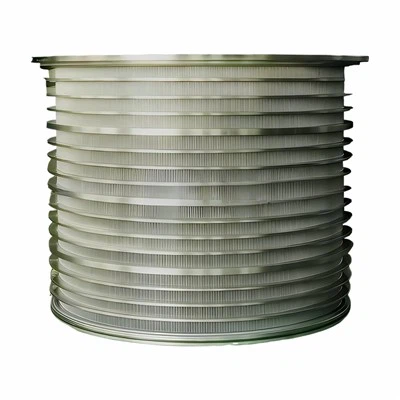
Filtration - based slag removers use a filter medium to separate the impurities from the pulp. The pulp is passed through the filter, and the impurities are trapped on the filter surface. The clean pulp passes through the filter and is collected. Our Heavy Rejects Cleaner is an example of a filtration - based slag remover that can effectively remove large and heavy impurities.
Benefits of Using Slag Removers in the Paper - Making Industry
Improved Paper Quality
By removing impurities such as sand, metal, and plastic, slag removers help to produce paper with a smoother surface, fewer defects, and better strength. This results in a higher - quality paper product that meets the requirements of various applications, such as printing, packaging, and writing.
Reduced Equipment Wear and Tear
Impurities in the pulp can cause significant damage to the papermaking equipment, such as pumps, valves, and paper machines. Using slag removers to remove these impurities reduces the abrasion and corrosion on the equipment, extending its lifespan and reducing maintenance costs.
Increased Production Efficiency
When the pulp is free of impurities, the papermaking process runs more smoothly. There are fewer blockages in the pipes and equipment, and the paper machine can operate at a higher speed and with fewer interruptions. This leads to increased production efficiency and higher output.
Environmental Benefits
Removing impurities from the pulp also has environmental benefits. By reducing the amount of non - fibrous materials in the paper, less energy is required for the papermaking process. Additionally, the removed impurities can be properly disposed of or recycled, reducing the environmental impact of the paper - making industry.
Applications of Slag Removers in the Paper - Making Process
Pulping Stage
In the pulping stage, slag removers can be used to remove impurities from the raw materials before they are converted into pulp. For example, when using recycled paper as a raw material, slag removers can remove staples, paper clips, and other metal objects, as well as plastic and rubber particles.


Screening and Cleaning Stage
After the pulp is produced, it goes through a screening and cleaning stage. Slag removers are an essential part of this stage, where they remove remaining impurities that were not removed during the pulping process. They work in conjunction with other screening and cleaning equipment to ensure that the pulp is as clean as possible before it enters the papermaking machine.
Papermaking Stage
Even during the papermaking stage, slag removers can be used to remove any last - minute impurities that may have entered the pulp. This helps to ensure the quality of the final paper product.
Case Studies
Let's take a look at some real - world examples of how slag removers have been successfully used in the paper - making industry.
A medium - sized paper mill was experiencing problems with paper quality due to the presence of sand and metal particles in the pulp. After installing our Multi-functional CLeaner, the mill saw a significant improvement in paper quality. The number of defects in the paper decreased by 30%, and the strength of the paper increased. The mill also reported a reduction in equipment maintenance costs due to less wear and tear on the papermaking equipment.
Another large - scale paper mill was using recycled paper as a major raw material. They were facing issues with plastic and rubber particles in the pulp, which were causing holes and spots in the paper. By using our Heavy Rejects Cleaner, they were able to effectively remove these impurities. The mill saw an increase in production efficiency as the paper machine could operate at a higher speed without frequent interruptions.
Conclusion
In conclusion, slag removers can definitely be used in the paper - making industry. They play a crucial role in removing impurities from the pulp, improving paper quality, reducing equipment wear and tear, increasing production efficiency, and providing environmental benefits.
If you are in the paper - making industry and are looking for a reliable solution to remove impurities from your pulp, we invite you to contact us for further discussion. Our team of experts can help you select the most suitable slag remover for your specific needs and provide you with professional installation and after - sales service.
References
- "Handbook of Pulp and Paper Technology", Third Edition, by G. A. Smook.
- "Paper Chemistry and Chemical Technology", Fourth Edition, edited by James P. Casey.
- Industry reports on papermaking equipment and processes from leading research institutions.