In the dynamic realm of content discovery, separation categories play a pivotal and often underestimated role. As a supplier deeply entrenched in the separator category industry, I've witnessed firsthand how these classifications can significantly influence the way users find and engage with content. In this blog, we'll delve into the multifaceted ways in which separator categories impact content discovery, exploring the benefits, challenges, and real - world implications.
1. The Basics of Separator Categories
Separator categories are essentially classification systems that group content based on specific criteria. These criteria can range from topic, genre, format, to intended audience. For example, in a news website, separator categories might include politics, sports, entertainment, and business. In an e - commerce platform, they could be clothing, electronics, home appliances, etc.
The primary function of these categories is to bring order to a vast sea of content. Without proper categorization, users would be lost in a maze of information, struggling to find what they need. Separator categories act as signposts, guiding users towards relevant content and making the discovery process more efficient.
2. Facilitating Efficient Search and Navigation
One of the most obvious ways separator categories affect content discovery is by enabling efficient search and navigation. When users land on a website or an app, they often have a general idea of what they're looking for. Separator categories provide a starting point for their search.
For instance, if a user visits a food blog and is interested in vegan recipes, they can simply click on the "Vegan" category. This instantly filters out all non - vegan content, presenting the user with a curated selection of relevant recipes. This targeted approach saves time and effort, increasing the likelihood that the user will find the content they desire.
As a separator category supplier, we understand the importance of creating clear and intuitive categories. Our products are designed to ensure that content can be accurately sorted into different groups, making it easier for users to navigate through large amounts of information. For example, in a media library, our separator systems can distinguish between different types of media files such as videos, audios, and images, and further categorize them by genre, date, or popularity.
3. Enhancing Content Visibility
Separator categories also play a crucial role in enhancing content visibility. By classifying content into specific categories, it becomes more likely to be discovered by users who are actively searching for that type of content.
Search engines and recommendation algorithms often rely on category information to rank and suggest content. For example, if a blog post is tagged with the "Health and Fitness" category, it will be more likely to appear in search results when users search for health - related topics. Similarly, content recommendation engines can use category data to suggest relevant articles, videos, or products to users based on their past interests.
Our separator category solutions are designed to optimize content visibility. We work with clients to ensure that their content is accurately categorized and tagged, increasing its chances of being found by the right audience. This not only benefits content creators by driving more traffic to their content but also improves the user experience by presenting them with more relevant content options.
4. Enabling Personalized Content Discovery
In today's digital age, personalized content discovery is highly valued. Separator categories are a key enabler of this personalized experience. By analyzing a user's past interactions with different categories, platforms can create personalized profiles and recommend content that aligns with their interests.
For example, if a user frequently reads articles in the "Technology" category on a news website, the website's recommendation system can use this information to suggest other technology - related articles, as well as related categories such as "Science" or "Innovation". This personalized approach makes the content discovery process more engaging and relevant for the user.
As a separator category supplier, we offer advanced categorization tools that can track and analyze user behavior. These tools can identify patterns in user interactions with different categories, allowing platforms to provide more personalized content recommendations. This not only improves user satisfaction but also increases user retention and loyalty.
5. Challenges in Separator Categories for Content Discovery
While separator categories offer numerous benefits for content discovery, they also come with their own set of challenges. One of the main challenges is the issue of category overlap. In many cases, content can fit into multiple categories. For example, a blog post about the environmental impact of technology could be classified under both "Technology" and "Environment" categories.
This overlap can lead to confusion for users and make it difficult for platforms to accurately categorize content. To address this issue, our separator category solutions include advanced tagging and metadata management systems. These systems allow content to be tagged with multiple categories, ensuring that it can be discovered from different search angles.
Another challenge is the need to keep categories up - to - date. As new trends emerge and content evolves, existing categories may become outdated or insufficient. For example, with the rise of social media, new categories such as "Influencer Marketing" and "Social Media Strategy" have become necessary. Our team works closely with clients to monitor industry trends and update category systems accordingly, ensuring that they remain relevant and effective for content discovery.
6. Real - World Applications of Separator Categories in Content Discovery
Let's take a look at some real - world examples of how separator categories impact content discovery.
In the e - commerce industry, separator categories are essential for product discovery. Online retailers use categories to organize their product catalogs, making it easier for customers to find the products they want. For example, Amazon uses a complex category system that includes everything from "Books" to "Home and Kitchen" to "Toys and Games". Customers can browse through these categories to find specific products or use the search function to narrow down their search within a particular category.
In the media streaming industry, separator categories are used to classify movies, TV shows, and music. Streaming platforms like Netflix and Spotify use categories such as "Action", "Comedy", "Pop", and "Rock" to help users discover new content. These platforms also use user data and category information to provide personalized recommendations, making it easier for users to find content that they will enjoy.

As a separator category supplier, we have worked with numerous clients in these industries to develop and optimize their category systems. Our solutions have helped these clients improve user engagement, increase sales, and enhance the overall user experience.
7. Impact of Separator Categories on Content Monetization
Separator categories also have a significant impact on content monetization. By categorizing content effectively, platforms can target specific advertising campaigns to relevant audiences. For example, if a website has a "Beauty" category, it can display beauty - related ads to users who visit that category. This targeted advertising approach is more likely to generate clicks and conversions, increasing advertising revenue for the platform.
In addition, separator categories can help content creators and publishers identify high - value content. By analyzing which categories attract the most traffic and engagement, they can focus on creating more content in those areas. This not only increases the visibility of their content but also has the potential to generate more revenue through advertising, sponsorships, and subscriptions.
Our separator category solutions are designed to support content monetization efforts. We provide tools and analytics that can help platforms understand user behavior within different categories, enabling them to make informed decisions about advertising placement and content creation.
8. Specific Separator Category Products and Their Role in Content Discovery
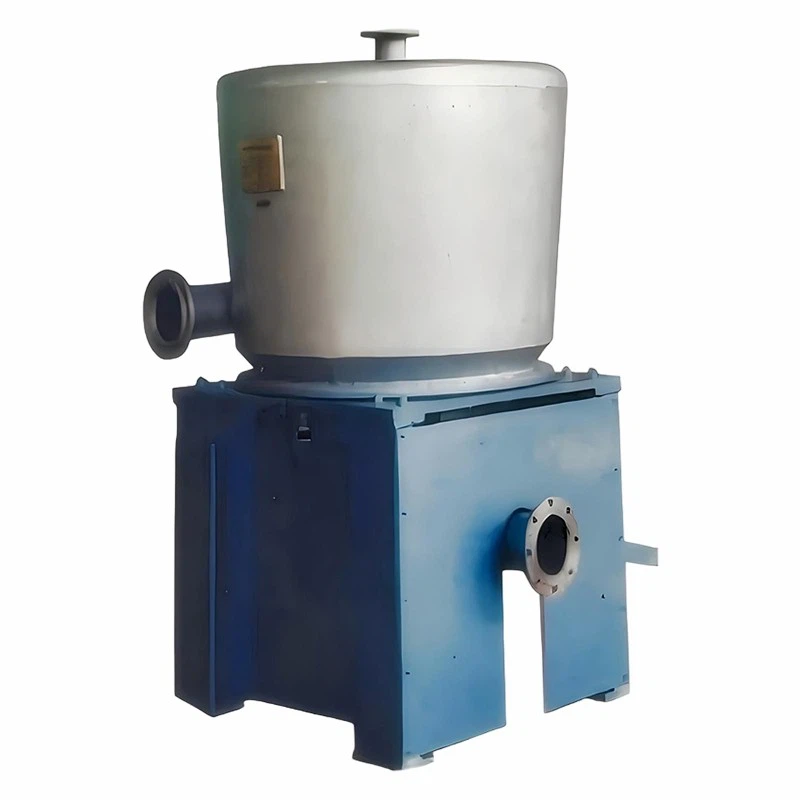
As a separator category supplier, we offer a range of products that are specifically designed to enhance content discovery. Two of our notable products are the Reject Separator and the Float Purger.
The Reject Separator is a powerful tool for filtering out unwanted content. In a content management system, it can be used to remove spam, low - quality content, or content that does not fit into any existing category. This ensures that the content available for discovery is of high quality and relevant to the user.
The Float Purger, on the other hand, is used to separate and prioritize floating content. In a news feed or a social media platform, there may be a lot of short - lived or less important content that floats to the top. The Float Purger can identify and separate this content, allowing more important and relevant content to be more easily discovered by users.
9. Conclusion and Call to Action
In conclusion, separator categories have a profound impact on content discovery. They facilitate efficient search and navigation, enhance content visibility, enable personalized experiences, and support content monetization. However, they also come with challenges that need to be addressed through advanced categorization tools and continuous updates.
As a leading separator category supplier, we are committed to providing innovative solutions that help our clients optimize their content discovery processes. Whether you are an e - commerce retailer, a media platform, or a content publisher, our products and services can help you improve user engagement, increase revenue, and stay ahead in the competitive digital landscape.
If you are interested in learning more about how our separator category solutions can benefit your business, or if you would like to discuss a potential partnership, we invite you to reach out to us. Our team of experts is ready to assist you in finding the best categorization solutions for your specific needs.
References
- [1] Anderson, C. (2006). The Long Tail: Why the Future of Business Is Selling Less of More. Hyperion.
- [2] Shirky, C. (2008). Here Comes Everybody: The Power of Organizing Without Organizations. Penguin Press.
- [3] Brynjolfsson, E., Hu, Y., & Smith, M. D. (2006). From Niches to Riches: Anatomy of the Long Tail. Sloan Management Review.