As a supplier of Toothed Deflakers, I've witnessed firsthand the critical role these machines play in the pulp and paper industry. The deflaking quality of a Toothed Deflaker is a key factor that directly impacts the final product's quality. In this blog, I'll delve into the various factors that affect the deflaking quality of a Toothed Deflaker.
1. Design and Structure of the Toothed Deflaker
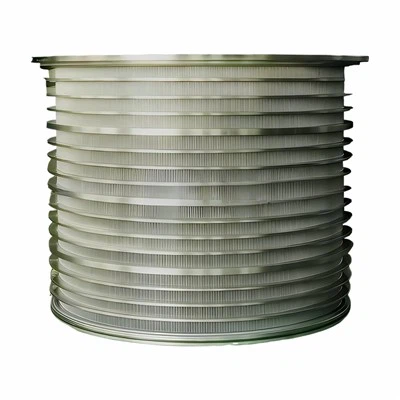
The design and structure of the Toothed Deflaker are fundamental to its deflaking quality. A well - designed Toothed Deflaker Toothed Deflaker should have an appropriate tooth configuration. The shape, size, and spacing of the teeth play a crucial role.


- Tooth Shape: Different tooth shapes are suitable for different types of pulp. For example, sharp - edged teeth are more effective in breaking up large flakes, while rounded teeth may be better for gentle deflaking of more delicate pulp fibers. The angle of the tooth also affects the shearing force applied to the pulp. A steeper angle can generate a stronger shearing force, which is beneficial for tough flakes, but it may also cause more fiber damage if not properly controlled.
- Tooth Size: The size of the teeth is related to the size of the pulp flakes to be deflaked. Larger teeth can handle larger flakes, but they may not be as effective in breaking up smaller ones. On the other hand, smaller teeth can provide more precise deflaking for fine - textured pulp, but they may clog more easily if the pulp contains large debris.
- Tooth Spacing: The spacing between the teeth determines the flow path of the pulp through the deflaker. If the spacing is too wide, some flakes may pass through without being properly deflaked. Conversely, if the spacing is too narrow, it can lead to high resistance to pulp flow, increasing energy consumption and potentially causing blockages.
The overall mechanical structure of the deflaker, such as the housing design and the rotor - stator arrangement, also affects deflaking quality. A well - sealed housing can prevent pulp leakage and ensure a consistent flow of pulp through the deflaking zone. The relative position and alignment of the rotor and stator are crucial for uniform deflaking. Any misalignment can result in uneven deflaking and reduced efficiency.
2. Pulp Properties
The properties of the pulp being processed have a significant impact on the deflaking quality of a Toothed Deflaker.
- Fiber Type: Different types of fibers, such as softwood, hardwood, and recycled fibers, have different physical and chemical properties. Softwood fibers are generally longer and more flexible, while hardwood fibers are shorter and stiffer. Recycled fibers may have been previously processed and may contain contaminants or have a lower strength. These differences require different deflaking strategies. For example, softwood pulp may require a more gentle deflaking process to avoid excessive fiber breakage, while recycled pulp may need a more aggressive deflaking to remove contaminants and break up stubborn flakes.
- Pulp Consistency: Pulp consistency refers to the ratio of dry pulp to the total pulp mass (including water). Higher pulp consistency means less water and more pulp fibers in the mixture. At higher consistencies, the fibers are more likely to be in contact with each other and with the teeth of the deflaker, which can improve the deflaking efficiency. However, if the consistency is too high, it can lead to increased energy consumption, uneven deflaking, and potential damage to the deflaker due to the high load. On the other hand, lower consistencies may result in less effective deflaking as the fibers are more dispersed in the water.
- Pulp Temperature: The temperature of the pulp can affect its viscosity and the flexibility of the fibers. Higher temperatures generally reduce the viscosity of the pulp, making it easier for the fibers to move and be deflaked. However, excessive heat can also cause fiber degradation and affect the chemical properties of the pulp. Therefore, an optimal temperature range needs to be maintained for the best deflaking quality.
3. Operating Conditions
The operating conditions of the Toothed Deflaker are also important factors in determining the deflaking quality.
- Rotor Speed: The speed of the rotor in the deflaker affects the shearing force applied to the pulp. A higher rotor speed generally results in a stronger shearing force, which can break up flakes more effectively. However, increasing the rotor speed also increases energy consumption and the risk of fiber damage. Therefore, the rotor speed needs to be carefully adjusted according to the pulp properties and the desired deflaking quality.
- Feed Rate: The feed rate of the pulp into the deflaker determines the residence time of the pulp in the deflaking zone. A higher feed rate means less time for each flake to be deflaked, which may result in incomplete deflaking. On the other hand, a very low feed rate can lead to over - deflaking and increased energy consumption. An appropriate feed rate should be set to ensure that each flake has enough time to be effectively deflaked without causing unnecessary wear on the deflaker.
- Pressure: The pressure within the deflaker can affect the deflaking process. In some cases, applying a certain amount of pressure can help to force the pulp through the narrow spaces between the teeth, improving the deflaking efficiency. However, excessive pressure can cause damage to the deflaker and the pulp fibers.
4. Maintenance and Wear
Regular maintenance of the Toothed Deflaker is essential for maintaining good deflaking quality.
- Tooth Wear: Over time, the teeth of the deflaker will wear down due to the continuous contact with the pulp. Worn teeth may not be able to generate the same shearing force as new teeth, resulting in reduced deflaking efficiency. Regular inspection and replacement of worn teeth are necessary to ensure consistent deflaking quality.
- Lubrication: Proper lubrication of the moving parts of the deflaker, such as the bearings and the shaft, is crucial for smooth operation. Insufficient lubrication can lead to increased friction, heat generation, and premature wear of the components. This can not only affect the deflaking quality but also cause breakdowns and costly repairs.
- Cleaning: The deflaker should be regularly cleaned to remove any accumulated pulp, debris, or contaminants. Clogged teeth or passages can impede the flow of pulp and reduce the deflaking efficiency. A clean deflaker ensures a more uniform and effective deflaking process.
5. Compatibility with Other Equipment
In a pulp and paper production line, the Toothed Deflaker often works in conjunction with other equipment, such as refiners. The compatibility between the Toothed Deflaker and other equipment can affect the overall deflaking quality.
- Upstream Equipment: The output of the upstream equipment, such as a pulper or a screen, can influence the quality of the pulp entering the deflaker. If the upstream equipment does not properly prepare the pulp, for example, if it leaves large chunks of pulp or excessive contaminants, it can put more stress on the deflaker and reduce its deflaking efficiency.
- Downstream Equipment: The requirements of the downstream equipment, such as a KTF Refiner or a DD Series Double Disc REfiner, also need to be considered. The deflaked pulp should meet the specifications of the downstream equipment to ensure a smooth production process. For example, if the downstream refiner requires a certain level of fiber length and consistency, the deflaker should be adjusted accordingly to produce pulp that meets these requirements.
In conclusion, the deflaking quality of a Toothed Deflaker is affected by multiple factors, including its design and structure, pulp properties, operating conditions, maintenance, and compatibility with other equipment. As a supplier, we understand the importance of these factors and are committed to providing high - quality Toothed Deflakers and comprehensive technical support. If you are interested in our Toothed Deflakers or have any questions about deflaking technology, please feel free to contact us for further discussion and potential procurement opportunities.
References
- "Pulp and Paper Manufacture: Volume 1 - Raw Materials and Pulping" by Christopher J. Biermann
- "Handbook of Pulp" edited by Henrik Sixta