What is the output rate of a slag remover?
As a supplier of slag removers, I often get asked about the output rate of these essential industrial machines. The output rate of a slag remover is a crucial metric that can significantly impact the efficiency and productivity of various industrial processes. In this blog post, I'll delve into what the output rate of a slag remover means, the factors that influence it, and how it can be optimized for different applications.
Understanding the Output Rate of a Slag Remover
The output rate of a slag remover refers to the amount of slag that the machine can remove within a specific period, typically measured in tons per hour (t/h) or kilograms per minute (kg/min). This rate is a key indicator of the machine's performance and its ability to keep up with the production demands of an industrial operation. For example, in a steelmaking plant, a high - output slag remover is essential to quickly remove the slag generated during the steel - making process, ensuring a smooth and continuous production flow.
Factors Influencing the Output Rate
1. Machine Design and Capacity
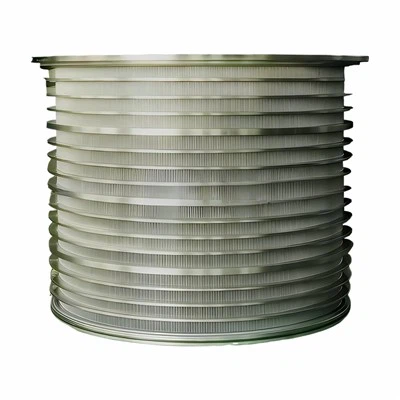
The design of the slag remover plays a fundamental role in determining its output rate. Different types of slag removers, such as the Multi - functional CLeaner, Heavy Rejects Cleaner, and Sediment Washer, have varying capacities based on their design features. Larger machines with more advanced mechanisms generally have a higher output rate. For instance, a heavy - duty slag remover designed for large - scale industrial applications may be able to handle several tons of slag per hour, while a smaller, more specialized unit may have a lower but still efficient output rate for specific tasks.
2. Slag Characteristics
The properties of the slag itself can have a significant impact on the output rate. Slag can vary in terms of its density, viscosity, and particle size. If the slag is highly viscous or has large, hard particles, it may be more difficult for the slag remover to process, resulting in a lower output rate. On the other hand, less viscous and finer - grained slag can be removed more quickly, allowing the machine to achieve a higher output.
3. Operating Conditions
The environment in which the slag remover operates also affects its output rate. Factors such as temperature, humidity, and the availability of power can all influence the machine's performance. For example, in extremely high - temperature environments, the machine may need to operate at a reduced capacity to prevent overheating. Similarly, if there are power fluctuations or insufficient power supply, the output rate may be compromised.
4. Maintenance and Upkeep
Regular maintenance is essential for ensuring that a slag remover operates at its optimal output rate. Worn - out parts, clogged filters, or improper lubrication can all lead to a decrease in performance. By following a strict maintenance schedule and promptly replacing any damaged components, the output rate of the slag remover can be maintained at a consistent level.
Optimizing the Output Rate
1. Selecting the Right Machine
Choosing the appropriate slag remover for your specific application is crucial. Consider the volume of slag generated, the characteristics of the slag, and the production requirements of your operation. If you have a high - volume production process, a larger and more powerful slag remover may be necessary. On the other hand, for smaller - scale operations, a more compact and cost - effective unit may suffice.
2. Process Optimization
Analyzing and optimizing the industrial process that generates the slag can also improve the output rate of the slag remover. For example, adjusting the operating parameters of the furnace or other slag - generating equipment to produce slag with more favorable characteristics can make it easier for the slag remover to handle. Additionally, implementing a more efficient material handling system to transport the slag to the remover can reduce downtime and increase the overall output rate.
3. Staff Training
Properly trained operators are essential for maximizing the output rate of a slag remover. Operators should be familiar with the machine's controls, maintenance requirements, and safety procedures. By providing comprehensive training, operators can ensure that the slag remover is operated at its optimal capacity, minimizing errors and downtime.


Importance of Output Rate in Different Industries
1. Steel Industry
In the steel industry, the output rate of a slag remover is critical for maintaining a high - speed production process. Steelmaking generates a large amount of slag, and if the slag is not removed quickly, it can accumulate in the furnace, affecting the quality of the steel and reducing the efficiency of the production line. A high - output slag remover can help to keep the production process running smoothly, ensuring a continuous supply of high - quality steel.
2. Mining Industry
In the mining industry, slag removers are used to separate valuable minerals from waste slag. A high output rate is essential for processing large volumes of ore efficiently. By quickly removing the slag, mining companies can increase their production capacity and reduce the cost of mineral extraction.
3. Recycling Industry
In the recycling industry, slag removers are used to clean and process recycled materials. A high output rate allows recycling facilities to handle a larger volume of waste materials, increasing the efficiency of the recycling process and reducing the environmental impact of waste disposal.
Conclusion
The output rate of a slag remover is a critical factor that can significantly impact the efficiency and productivity of various industrial processes. By understanding the factors that influence the output rate and taking steps to optimize it, businesses can ensure that their slag removal operations are running at their best. As a supplier of slag removers, we are committed to providing high - quality machines that offer excellent output rates and reliable performance. If you are interested in learning more about our slag removers or have specific requirements for your industrial operation, please feel free to contact us for a detailed discussion and procurement negotiation.
References
- Industrial Machinery Handbook: A comprehensive guide to industrial equipment, including slag removers.
- Journal of Industrial Process Optimization: Articles on optimizing industrial processes, including slag removal.
- Manufacturer's specifications for slag removers, which provide detailed information on output rates and performance.