Hey there! As a supplier of Disc Heat - Dispersers, I've been getting a lot of questions lately about how to increase the heat transfer area in these machines. So, I thought I'd put together this blog post to share some tips and tricks.
First off, let's understand why increasing the heat transfer area is so important. In a Disc Heat - Disperser, heat transfer plays a crucial role in the dispersion process. A larger heat transfer area allows for more efficient heat exchange, which can lead to better dispersion results, faster processing times, and lower energy consumption.
1. Design Modifications
One of the most straightforward ways to increase the heat transfer area is through design modifications. We can look at adding more discs to the disperser. Each disc provides a surface for heat transfer, so by increasing the number of discs, we directly increase the available heat transfer area.
For example, if you currently have a 5 - disc Disperser, upgrading to an 8 - disc model can significantly boost the heat transfer capacity. However, it's important to note that adding too many discs can also increase the pressure drop and power consumption, so it's a balance that needs to be carefully considered.
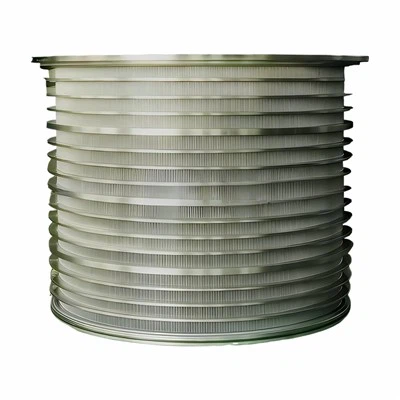
Another design option is to change the shape of the discs. Instead of using flat discs, we can opt for corrugated or finned discs. These irregular shapes increase the surface area of the discs without significantly increasing their size. The corrugations or fins create additional paths for the heat to transfer, effectively multiplying the heat transfer area. You can check out our Disc Heat - Disperser product page to see some of the innovative designs we offer.


2. Material Selection
The material of the discs also affects the heat transfer area. Using materials with high thermal conductivity can enhance heat transfer. Metals like copper and aluminum are excellent choices as they have high thermal conductivity. However, they might not be suitable for all applications due to their cost or chemical compatibility.
Stainless steel is a more common choice in Disc Heat - Dispersers. It has good thermal conductivity, is corrosion - resistant, and can withstand high temperatures. By using high - quality stainless steel with optimized surface treatments, we can further improve the heat transfer efficiency. For instance, a polished surface can reduce the thermal resistance between the disc and the material being processed, allowing for better heat transfer.
3. Operating Conditions
Adjusting the operating conditions can also have an impact on the effective heat transfer area. Increasing the flow rate of the material through the disperser can increase the turbulence. Turbulent flow helps to break up the boundary layer on the disc surface, which is a layer of stagnant fluid that can impede heat transfer. When the boundary layer is disrupted, more of the disc surface is in contact with the flowing material, effectively increasing the heat transfer area.
However, increasing the flow rate too much can also cause issues such as excessive wear on the discs and increased power consumption. So, it's important to find the optimal flow rate for your specific application.
Temperature differentials also play a role. A larger temperature difference between the heating medium and the material being processed can drive more heat transfer. But again, we need to be careful not to exceed the temperature limits of the materials used in the disperser.
4. Maintenance and Cleaning
Regular maintenance and cleaning are essential for ensuring that the heat transfer area remains effective. Over time, deposits can build up on the disc surfaces, reducing the heat transfer efficiency. These deposits can act as an insulating layer, preventing the heat from transferring from the disc to the material.
By implementing a regular cleaning schedule, we can remove these deposits and restore the full heat transfer area. There are various cleaning methods available, such as chemical cleaning and mechanical cleaning. Chemical cleaning can dissolve the deposits, while mechanical cleaning, like using brushes or scrapers, can physically remove them.
5. Complementary Equipment
In some cases, using complementary equipment can help increase the overall heat transfer area. For example, integrating a Paper Machine Kneader before the Disc Heat - Disperser can pre - process the material. The kneader can break up large clumps and improve the homogeneity of the material, which in turn can enhance the heat transfer in the subsequent Disc Heat - Disperser.
The kneader can also increase the surface area of the material itself, making it easier for the heat to penetrate. This combination of equipment can work together to achieve a more efficient heat transfer process.
In conclusion, increasing the heat transfer area in a Disc Heat - Disperser is a multi - faceted approach. It involves design modifications, material selection, adjusting operating conditions, regular maintenance, and potentially using complementary equipment. By carefully considering these factors, you can optimize the heat transfer performance of your Disc Heat - Disperser.
If you're interested in learning more about our Disc Heat - Dispersers or have any questions about increasing the heat transfer area, don't hesitate to reach out. We're here to help you find the best solutions for your specific needs and get the most out of your equipment. Let's start a conversation about how we can work together to improve your dispersion process!
References
- Incropera, F. P., & DeWitt, D. P. (2002). Fundamentals of Heat and Mass Transfer. Wiley.
- Holman, J. P. (2002). Heat Transfer. McGraw - Hill.