As a seasoned supplier of pulping equipment, I've had the privilege of witnessing firsthand the diverse range of raw materials that can be effectively processed through our machinery. The choice of raw materials is a critical factor in the pulping process, as it directly impacts the quality, efficiency, and cost-effectiveness of pulp production. In this blog post, I'll delve into the various raw materials suitable for pulping equipment, exploring their characteristics, advantages, and applications.
Wood
Wood is one of the most widely used raw materials for pulping, and for good reason. It is abundant, renewable, and offers a high cellulose content, which is essential for producing high-quality pulp. There are two main types of wood used in pulping: softwood and hardwood.

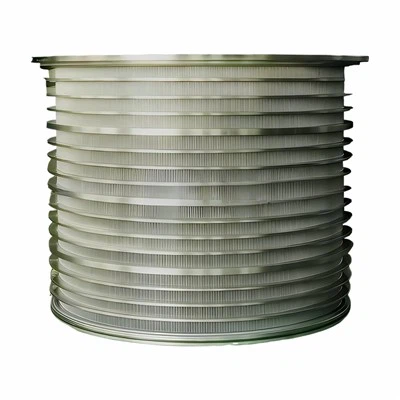
Softwood, such as pine, spruce, and fir, is known for its long fibers, which contribute to the strength and durability of the pulp. Softwood pulp is commonly used in the production of paper products that require high tensile strength, such as newsprint, packaging paper, and tissue paper. Our Drump Pulper is specifically designed to handle softwood chips efficiently, ensuring a consistent and high-quality pulp output.
Hardwood, on the other hand, has shorter fibers and a higher lignin content compared to softwood. This results in a pulp that is more suitable for products that require a smooth surface and good printability, such as magazines, books, and fine writing paper. Our Type D Hydrapulper is ideal for processing hardwood chips, as it can effectively break down the lignin and separate the fibers.
Recycled Paper
With the growing emphasis on sustainability and environmental conservation, recycled paper has become an increasingly popular raw material for pulping. Recycling paper not only reduces the demand for virgin wood fibers but also helps to conserve natural resources and reduce waste.
Recycled paper can be sourced from a variety of sources, including post-consumer waste, industrial waste, and pre-consumer waste. Post-consumer waste refers to paper products that have been used and discarded by consumers, such as newspapers, magazines, and office paper. Industrial waste includes paper scraps and trimmings generated during the manufacturing process, while pre-consumer waste refers to paper products that have been discarded before reaching the consumer, such as unsold newspapers and magazines.
Our Wet Broke Pulper is designed to handle recycled paper effectively, breaking it down into its individual fibers and removing any contaminants. By using recycled paper as a raw material, manufacturers can significantly reduce their production costs while also contributing to a more sustainable future.
Agricultural Residues
Agricultural residues, such as straw, bagasse, and corn stalks, are another potential source of raw materials for pulping. These residues are often considered waste products and are typically burned or discarded, but they can be effectively used to produce pulp and paper.
Straw, for example, is a byproduct of cereal crops such as wheat, rice, and barley. It is rich in cellulose and can be used to produce a variety of paper products, including packaging paper, tissue paper, and cardboard. Bagasse, which is the fibrous residue left after sugarcane is crushed to extract its juice, is another valuable agricultural residue that can be used for pulping. It has a high cellulose content and can be processed into pulp using similar methods as wood.
Our pulping equipment is capable of handling a wide range of agricultural residues, allowing manufacturers to diversify their raw material sources and reduce their reliance on traditional wood fibers. By using agricultural residues as a raw material, manufacturers can not only reduce their environmental impact but also support the agricultural industry by providing a market for these waste products.

Non-Wood Fibers
In addition to wood, recycled paper, and agricultural residues, there are also a number of non-wood fibers that can be used for pulping. These fibers include cotton, flax, hemp, and bamboo, and they offer a number of advantages over traditional wood fibers.
Cotton, for example, is a natural fiber that is known for its strength, softness, and absorbency. It is commonly used in the production of high-quality paper products, such as currency paper, stationery, and art paper. Flax, which is the fiber obtained from the stem of the flax plant, is another strong and durable fiber that can be used to produce paper. It is often used in the production of specialty papers, such as cigarette paper and tea bags.

Hemp and bamboo are also gaining popularity as raw materials for pulping. Hemp is a fast-growing plant that requires less water and pesticides compared to other crops, making it a more sustainable option. Bamboo, on the other hand, is one of the fastest-growing plants in the world and can be harvested within 3-5 years. It has a high cellulose content and can be used to produce a variety of paper products, including packaging paper, tissue paper, and printing paper.
Our pulping equipment is designed to handle a wide range of non-wood fibers, allowing manufacturers to explore new and innovative raw material sources. By using non-wood fibers, manufacturers can not only reduce their environmental impact but also produce paper products with unique properties and characteristics.
Conclusion
In conclusion, there are a wide range of raw materials suitable for pulping equipment, each with its own unique characteristics, advantages, and applications. As a supplier of pulping equipment, we are committed to providing our customers with the most advanced and efficient machinery to process these raw materials. Whether you are looking to use wood, recycled paper, agricultural residues, or non-wood fibers, our equipment is designed to meet your specific needs and requirements.
If you are interested in learning more about our pulping equipment or would like to discuss your specific raw material requirements, please do not hesitate to contact us. Our team of experts is always available to provide you with the information and support you need to make an informed decision. We look forward to working with you to achieve your pulping goals.
References
- "Pulp and Paper Manufacturing," Encyclopedia Britannica.
- "Recycled Paper: A Sustainable Solution for the Pulp and Paper Industry," World Wildlife Fund.
- "Agricultural Residues as a Source of Pulp and Paper," FAO.
- "Non-Wood Fibers for Pulp and Paper Production," International Network for Bamboo and Rattan.