Pulp temperature is a critical factor in the papermaking process, significantly influencing the performance of various equipment, including the Toothed Deflaker. As a leading supplier of Toothed Deflakers, we've witnessed firsthand how temperature variations can impact the deflaking process and the overall quality of the pulp. In this blog, we'll delve into the effects of pulp temperature on the performance of a Toothed Deflaker, exploring the science behind it and providing practical insights for optimizing your papermaking operations.
Understanding the Toothed Deflaker
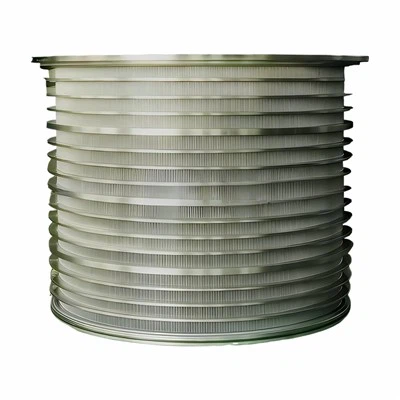
Before we discuss the impact of pulp temperature, let's briefly understand the function of a Toothed Deflaker. A Toothed Deflaker is a crucial piece of equipment in the pulp and paper industry, designed to break up pulp bundles and agglomerates into individual fibers. This process is essential for achieving a uniform pulp consistency, improving paper strength, and enhancing the overall quality of the final product.
The Toothed Deflaker consists of a rotor and a stator, both equipped with teeth. As the pulp passes through the narrow gap between the rotor and stator, the teeth shear and break up the pulp bundles, separating the fibers. The efficiency of this process depends on several factors, including the design of the deflaker, the speed of the rotor, and the properties of the pulp, such as its consistency and temperature.
The Role of Pulp Temperature in Deflaking
Pulp temperature plays a vital role in the deflaking process, affecting both the physical and chemical properties of the pulp. Here's how:
Viscosity and Flowability
As the temperature of the pulp increases, its viscosity decreases, making it more fluid and easier to flow. This improved flowability allows the pulp to pass through the deflaker more smoothly, reducing the risk of blockages and improving the overall efficiency of the deflaking process. Additionally, lower viscosity means less energy is required to pump the pulp through the system, resulting in energy savings.
Fiber Swelling
Higher pulp temperatures can cause the fibers to swell, increasing their flexibility and making them easier to separate. When the fibers are swollen, the teeth of the deflaker can more effectively penetrate and break up the pulp bundles, leading to better deflaking performance. However, excessive swelling can also cause the fibers to become too soft and prone to damage, so it's important to maintain the pulp temperature within an optimal range.
Chemical Reactions
Pulp temperature can also influence the chemical reactions that occur during the deflaking process. For example, higher temperatures can accelerate the hydrolysis of hemicellulose, a component of the pulp that can contribute to fiber bonding. By controlling the pulp temperature, you can optimize these chemical reactions to improve the quality of the pulp and the final paper product.
Effects of Low Pulp Temperature
When the pulp temperature is too low, several issues can arise:
Poor Deflaking Efficiency
Low pulp viscosity at low temperatures can make it difficult for the pulp to flow through the deflaker, resulting in poor deflaking efficiency. The pulp bundles may not be effectively broken up, leading to uneven pulp consistency and reduced paper strength.
Increased Energy Consumption
To compensate for the poor flowability of the pulp, the deflaker may need to operate at a higher speed or with a higher pressure, which can increase energy consumption. Additionally, the increased resistance to flow can cause wear and tear on the equipment, leading to higher maintenance costs.
Fiber Damage
At low temperatures, the fibers are less flexible and more brittle, making them more prone to damage during the deflaking process. This can result in a decrease in fiber length and strength, negatively impacting the quality of the final paper product.
Effects of High Pulp Temperature
While higher pulp temperatures can improve deflaking performance, excessive heat can also have negative consequences:
Fiber Degradation
Prolonged exposure to high temperatures can cause the fibers to degrade, reducing their strength and quality. This can lead to a decrease in paper strength, tear resistance, and other important properties.
Increased Chemical Consumption
High temperatures can accelerate the chemical reactions in the pulp, leading to increased consumption of chemicals such as bleaching agents and retention aids. This can increase the cost of production and have a negative impact on the environment.
Equipment Damage
Excessive heat can also cause damage to the deflaker and other equipment in the pulp and paper mill. High temperatures can cause the metal components of the deflaker to expand and warp, leading to premature wear and failure.
Optimizing Pulp Temperature for Toothed Deflaker Performance
To achieve the best performance from your Toothed Deflaker, it's important to maintain the pulp temperature within an optimal range. The ideal temperature will depend on several factors, including the type of pulp, the design of the deflaker, and the specific requirements of your papermaking process.
In general, a pulp temperature between 40°C and 60°C is recommended for most Toothed Deflakers. This temperature range provides a good balance between improved flowability, fiber swelling, and reduced fiber damage. However, it's important to note that these are just general guidelines, and you may need to adjust the temperature based on your specific circumstances.
To control the pulp temperature, you can use a variety of methods, including steam injection, heat exchangers, and temperature sensors. These systems allow you to accurately monitor and adjust the pulp temperature, ensuring that it remains within the optimal range.
Other Considerations for Toothed Deflaker Performance
In addition to pulp temperature, several other factors can affect the performance of a Toothed Deflaker. Here are some key considerations:
Pulp Consistency
The consistency of the pulp, or the amount of dry fiber in the pulp suspension, can have a significant impact on deflaking performance. Higher pulp consistency can increase the efficiency of the deflaker, but it can also make the pulp more difficult to flow and increase the risk of blockages. It's important to maintain the pulp consistency within the recommended range for your Toothed Deflaker.
Rotor Speed
The speed of the rotor in the Toothed Deflaker can also affect its performance. Higher rotor speeds can increase the shear force applied to the pulp, leading to better deflaking performance. However, excessive rotor speed can also cause fiber damage and increase energy consumption. It's important to find the optimal rotor speed for your specific application.


Tooth Design
The design of the teeth on the rotor and stator of the Toothed Deflaker can have a significant impact on its performance. Different tooth designs are available, each with its own advantages and disadvantages. For example, some tooth designs are better suited for breaking up large pulp bundles, while others are more effective at separating individual fibers. It's important to choose the tooth design that is best suited for your specific pulp and papermaking process.
Conclusion
Pulp temperature is a critical factor in the performance of a Toothed Deflaker. By understanding the effects of pulp temperature on the deflaking process, you can optimize your papermaking operations to achieve better pulp quality, increased efficiency, and reduced energy consumption.
As a Toothed Deflaker supplier, we're committed to providing our customers with the highest quality equipment and technical support. We offer a range of Toothed Deflakers, including KTF Refiner, DD Series Double Disc REfiner, and KZM Series Conical Refiner, designed to meet the specific needs of your papermaking process.
If you're interested in learning more about our Toothed Deflakers or optimizing your papermaking operations, please don't hesitate to contact us. Our team of experts is ready to assist you with your procurement and provide you with the best solutions for your business.
References
- "Pulp and Paper Science and Technology" by G.A. Smook
- "Handbook of Pulp" edited by Christopher J. Biermann
- Technical papers and research articles from leading pulp and paper industry organizations