Do pressure screens require a power supply? This is a question that often arises among those in the industries where pressure screens are commonly used, such as the pulp and paper industry, water treatment, and food and beverage processing. As a supplier of pressure screens, I'm here to shed light on this topic and provide a comprehensive understanding of the power requirements of pressure screens.
The Basics of Pressure Screens
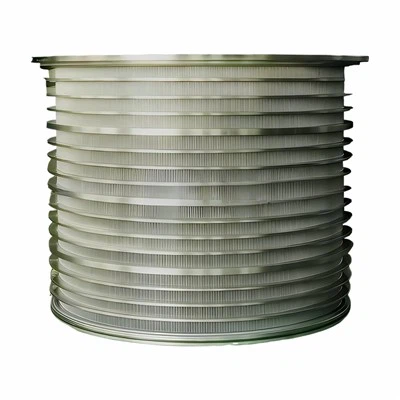
Pressure screens are essential equipment used for separating solids from liquids or for classifying different-sized particles in a fluid stream. They work by using pressure differentials to force the fluid through a screen or mesh, allowing the smaller particles to pass through while retaining the larger ones. There are various types of pressure screens available in the market, each designed for specific applications and industries. Some of the common types include the Coarse Screen Up-flow Pressure Screen, Inflow Pre-net Screen, and Fine Screen Out-flow Pressure Screen.
Power Supply Requirements
In general, most pressure screens do require a power supply. The power is used for several critical functions within the pressure screen system:
1. Pumping
One of the primary uses of power in a pressure screen system is to drive the pumps. Pumps are responsible for creating the necessary pressure to force the fluid through the screen. Without sufficient pressure, the separation process would be inefficient or may not occur at all. The power requirements for the pumps depend on various factors, such as the flow rate of the fluid, the viscosity of the fluid, and the pressure differential needed across the screen. For example, in a high - volume pulp and paper mill, the pumps used in the pressure screen system may require a significant amount of power to handle the large flow rates of pulp suspension.
2. Rotating Parts
Many pressure screens have rotating parts, such as rotors or agitators. These rotating components help to prevent the screen from clogging by continuously agitating the fluid and the particles on the screen surface. The power is used to drive the motors that rotate these parts. The speed and torque requirements of the motors depend on the design and size of the pressure screen, as well as the characteristics of the material being screened. For instance, a fine - screening pressure screen may require a high - speed rotor to ensure efficient separation of fine particles, which in turn demands a motor with appropriate power output.
3. Control Systems
Modern pressure screens are often equipped with advanced control systems. These systems are used to monitor and adjust various parameters of the pressure screen, such as the pressure, flow rate, and screen cleaning cycles. The control systems typically consist of sensors, actuators, and a central control unit. The power is needed to operate these electronic components. The power consumption of the control systems is relatively small compared to the pumps and rotating parts, but it is still an essential part of the overall power requirements of the pressure screen.
Exceptions and Alternative Designs
While most pressure screens require a power supply, there are some exceptions and alternative designs that can operate without a traditional electrical power source.
1. Gravity - Fed Pressure Screens
In some low - flow or low - pressure applications, gravity - fed pressure screens can be used. These screens rely on the force of gravity to create the pressure differential needed to drive the fluid through the screen. For example, in a small - scale water treatment system where the water source is at a higher elevation than the screen, gravity can be used to feed the water through the screen without the need for a pump. However, the use of gravity - fed pressure screens is limited to specific situations where the flow rate and pressure requirements are relatively low.
2. Pneumatic or Hydraulic - Powered Screens
Some pressure screens can be powered by pneumatic or hydraulic systems instead of electrical motors. Pneumatic systems use compressed air to drive the pumps and rotating parts, while hydraulic systems use pressurized fluid. These alternative power sources can be useful in environments where electrical power is not available or where there are safety concerns, such as in explosive atmospheres. However, pneumatic and hydraulic systems also have their own limitations, such as the need for a compressed air or hydraulic fluid supply and the complexity of the system.
Energy Efficiency Considerations
As a pressure screen supplier, we understand the importance of energy efficiency. High energy consumption not only increases the operating costs for our customers but also has environmental implications. Therefore, we are constantly working on improving the energy efficiency of our pressure screens.
1. Pump Design
We invest in research and development to design pumps that are more energy - efficient. This includes using advanced impeller designs and materials to reduce the power consumption of the pumps while maintaining high performance. For example, some of our pumps are designed with variable - speed drives, which allow the pump speed to be adjusted according to the actual flow rate and pressure requirements. This helps to avoid over - pumping and reduces energy waste.
2. Rotor Optimization
The design of the rotors in our pressure screens is also optimized for energy efficiency. We use computational fluid dynamics (CFD) simulations to analyze the flow patterns around the rotors and to find the optimal shape and speed of the rotors. By reducing the resistance and turbulence in the fluid flow, we can lower the power requirements of the motors that drive the rotors.
3. Control System Integration
Our control systems are designed to integrate with the overall process control of the customer's plant. This allows for real - time monitoring and adjustment of the pressure screen parameters based on the process conditions. For example, if the flow rate of the fluid decreases, the control system can automatically reduce the speed of the pumps and rotors to save energy.
Conclusion
In conclusion, the majority of pressure screens do require a power supply to operate effectively. The power is used for pumping, driving rotating parts, and operating control systems. However, there are some exceptions and alternative designs that can operate without traditional electrical power. As a pressure screen supplier, we are committed to providing our customers with energy - efficient solutions that meet their specific needs.
If you are considering purchasing a pressure screen for your industry, we invite you to contact us for more information. Our team of experts can help you select the right pressure screen for your application and provide you with detailed information about its power requirements and energy efficiency. Whether you need a Coarse Screen Up-flow Pressure Screen, Inflow Pre-net Screen, or Fine Screen Out-flow Pressure Screen, we have the expertise and products to meet your demands.


References
- "Pulp and Paper Engineering Handbook", TAPPI Press
- "Water Treatment Process Design Manual", EPA
- Technical documents and research reports from our company's R & D department