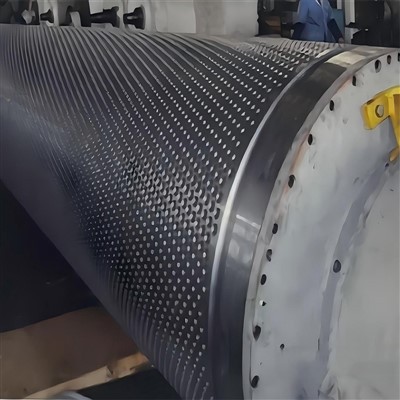
Hey there! I'm a supplier of pressure screens, and today I want to chat about how these nifty devices contribute to safety in industrial settings. Pressure screens are like the unsung heroes of the industrial world, quietly working behind the scenes to keep things running smoothly and safely.
First off, let's talk about what pressure screens actually do. Pressure screens are used to separate solids from liquids or gases in industrial processes. They work by using pressure to force the fluid through a screen, which traps the solids while allowing the fluid to pass through. This process is crucial in many industries, including pulp and paper, food and beverage, chemical, and wastewater treatment.
One of the main ways pressure screens contribute to safety is by preventing equipment damage. In industrial settings, equipment failure can lead to serious safety hazards, such as fires, explosions, and chemical spills. Pressure screens help to prevent these issues by removing solids from the fluid before they can cause damage to pumps, valves, and other equipment. For example, in a pulp and paper mill, pressure screens are used to remove large particles and debris from the pulp, which helps to prevent blockages in the pipes and equipment. This not only reduces the risk of equipment failure but also improves the efficiency of the production process.
Another way pressure screens contribute to safety is by protecting workers from harmful substances. In many industries, workers are exposed to hazardous chemicals and materials on a daily basis. Pressure screens can help to reduce this risk by removing these substances from the fluid before it is released into the environment. For example, in a wastewater treatment plant, pressure screens are used to remove solids and debris from the wastewater, which helps to prevent the release of harmful chemicals and pathogens into the water supply. This not only protects the environment but also ensures the safety of the workers who are handling the wastewater.
Pressure screens also play an important role in preventing contamination. In industries such as food and beverage, contamination can have serious consequences for public health. Pressure screens help to prevent contamination by removing foreign particles and debris from the fluid, which helps to ensure the quality and safety of the final product. For example, in a dairy processing plant, pressure screens are used to remove bacteria and other contaminants from the milk, which helps to prevent the spread of foodborne illnesses.
Now, let's take a look at some of the different types of pressure screens that we offer. We have a wide range of pressure screens to suit different industrial applications, including Coarse Screen Up-flow Pressure Screen, Inflow Fine Pressure Screen, and Fine Screen Up-flow Pressure Screen. Each of these screens has its own unique features and benefits, and we can help you choose the right screen for your specific needs.
The Coarse Screen Up-flow Pressure Screen is designed to remove large particles and debris from the fluid. It has a large screen area and a high flow rate, which makes it ideal for applications where large volumes of fluid need to be processed quickly. The Inflow Fine Pressure Screen, on the other hand, is designed to remove fine particles and debris from the fluid. It has a smaller screen area and a lower flow rate, which makes it ideal for applications where a high level of filtration is required. The Fine Screen Up-flow Pressure Screen is a combination of the two, offering both high flow rates and high levels of filtration.
In addition to these standard pressure screens, we also offer custom-designed pressure screens to meet the specific needs of our customers. Our team of experienced engineers can work with you to design a pressure screen that is tailored to your specific application and requirements. We use the latest technology and materials to ensure that our pressure screens are of the highest quality and performance.
So, if you're looking for a reliable and effective way to improve safety in your industrial setting, look no further than pressure screens. Our pressure screens are designed to provide superior filtration and protection, helping to prevent equipment damage, protect workers from harmful substances, and prevent contamination. Whether you're in the pulp and paper, food and beverage, chemical, or wastewater treatment industry, we have the right pressure screen for you.
If you're interested in learning more about our pressure screens or would like to discuss your specific needs, please don't hesitate to contact us. We'd be happy to answer any questions you may have and help you choose the right pressure screen for your application. Let's work together to make your industrial setting safer and more efficient!
References


- Industrial Filtration Handbook, by Peter A. Schweitzer
- Handbook of Separation Process Technology, by Ronald W. Rousseau