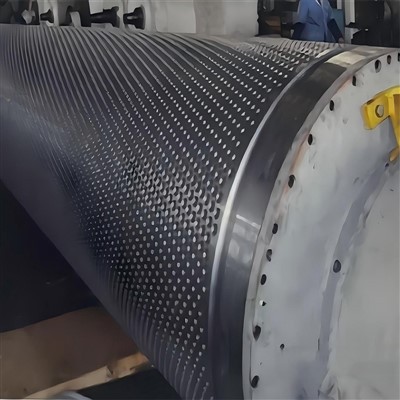
As a provider of Screw Press Thickeners, I've seen firsthand how blockages can throw a wrench into your operations. A blocked Screw Press Thickener can lead to downtime, increased maintenance costs, and a whole lot of headaches. But don't worry! I'm here to share some practical tips on how you can prevent these blockages and keep your thickener running smoothly.
Understanding the Causes of Blockages
Before we jump into prevention, let's quickly look at what causes blockages in the first place. Understanding the root causes is key to implementing effective prevention strategies.
- Foreign Objects: Sometimes, things like rags, tools, or pieces of debris can find their way into the thickener. These foreign objects can get caught in the screw or other components, causing a blockage.
- Excessive Solids Concentration: If the feed material has too high a solids concentration, it can become too thick and sticky to flow through the thickener properly. This can lead to a build - up of solids and eventually a blockage.
- Incorrect Feed Rate: Feeding the thickener too quickly can overwhelm the equipment, preventing it from properly processing the material. On the other hand, a very slow feed rate can also cause problems, as the material may start to settle and build up.
- Wear and Tear: Over time, the components of the screw press thickener can wear out. Worn screws, screens, or other parts can cause the material to flow unevenly, increasing the risk of blockages.
Prevention Strategies
1. Pre - Screening
One of the simplest and most effective ways to prevent blockages is to install a pre - screening system. A pre - screen acts as a filter, removing large foreign objects before they enter the thickener. You can use different types of screens depending on the size of the objects you want to remove. This not only protects your thickener but also extends the lifespan of other components. For example, if you are dealing with pulp processing, a well - designed pre - screen can catch pieces of wood, plastic, or metal that might otherwise cause a blockage.
2. Monitor and Control Solids Concentration
Keep a close eye on the solids concentration of the feed material. Use appropriate sensors to measure the solids content in real - time. If the solids concentration is too high, you can dilute the feed material by adding water. This helps to keep the material at an optimal consistency for the thickener to process. Some modern thickeners come with built - in systems that can automatically adjust the dilution rate based on the solids concentration, making the process even more efficient.


3. Optimize Feed Rate
Finding the right feed rate is crucial. You need to balance the amount of material going into the thickener with its processing capacity. Start by referring to the manufacturer's guidelines for the recommended feed rate. Then, monitor the performance of the thickener and make adjustments as needed. If you notice that the thickener is struggling to keep up with the feed, slow it down. Conversely, if it seems to be underutilized, you can increase the feed rate slightly. This trial - and - error approach will help you find the sweet spot for your specific operation.
4. Regular Maintenance
Regular maintenance is the backbone of preventing blockages. Create a maintenance schedule and stick to it. This includes cleaning the thickener regularly to remove any built - up solids. You should also inspect the components for wear and tear. Replace any worn parts promptly to ensure that the thickener functions as intended. For example, if the screw shows signs of excessive wear, replacing it can prevent uneven material flow and blockages.
5. Staff Training
Proper training for your staff is essential. Make sure they understand how the screw press thickener works, the importance of preventing blockages, and the correct procedures for operating and maintaining the equipment. Well - trained staff are more likely to notice early signs of potential blockages and take appropriate action. They can also follow the best practices for feeding the thickener and conducting routine checks, which goes a long way in preventing downtime due to blockages.
Using Complementary Equipment
In some cases, using complementary equipment can also help prevent blockages in your screw press thickener. For example, a High - speed Washer can be used before the thickener to clean the material and remove some of the fine particles and impurities. This reduces the load on the thickener and decreases the likelihood of blockages. The high - speed washer can also help to break up any clumps in the material, making it easier for the thickener to process.
Troubleshooting and Early Detection
Even with the best prevention strategies, blockages can still occur. That's why it's important to have a troubleshooting plan in place. Look out for signs of a potential blockage, such as increased motor current, unusual noise, or a decrease in the flow rate of the output. If you notice any of these signs, stop the thickener immediately and start investigating. Early detection and quick action can prevent the blockage from getting worse and causing more serious damage.
Conclusion
Preventing blockages in a screw press thickener requires a combination of proper installation, regular maintenance, and careful operation. By implementing the strategies outlined above, you can significantly reduce the risk of blockages, improve the efficiency of your thickener, and save money on maintenance and downtime.
If you're having trouble with blockages in your current screw press thickener or are thinking about purchasing a new one, don't hesitate to reach out. We're here to help you find the best solution for your specific needs and make sure your operations run smoothly. Feel free to start a conversation to discuss your requirements and see how our Screw Press Thickener can be a great fit for your business.
References
- "Industrial Thickening Equipment Handbook," published by an industry - related publishing house.
- Internal research documents from our company on screw press thickener operations and maintenance.