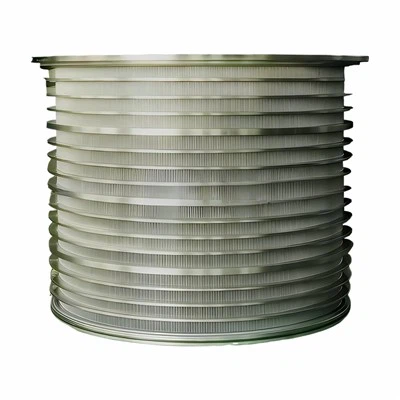
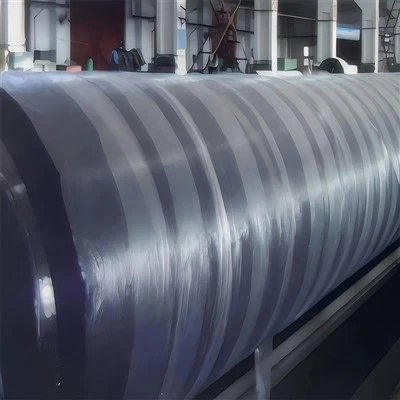
Hey there! As a supplier of the H.C. Bleaching Tower, I've been getting a lot of questions lately about how the liquid flow rate affects this key piece of equipment. So, I thought I'd sit down and share some insights on this topic.
First off, let's quickly go over what the H.C. Bleaching Tower is all about. It's a crucial part in the pulp and paper industry, used for high - consistency bleaching of pulp. The main goal is to remove lignin and brighten the pulp, making it suitable for various paper products.
Now, let's dig into the impact of liquid flow rate.
1. Chemical Reaction Efficiency
The liquid flow rate plays a huge role in how well the bleaching chemicals react with the pulp. When the flow rate is too low, the chemicals might not be distributed evenly throughout the pulp. This means that some parts of the pulp might not get enough of the bleaching agents, resulting in uneven bleaching. On the other hand, if the flow rate is too high, the chemicals might pass through the pulp too quickly. They won't have enough time to react properly with the lignin in the pulp. So, there's this sweet spot where the flow rate allows for optimal chemical - pulp interaction.
For example, if we're using hydrogen peroxide as a bleaching agent in the H.C. Bleaching Tower, a proper flow rate ensures that the peroxide can penetrate the pulp fibers and break down the lignin effectively. A slow flow rate could lead to pockets of unbleached pulp, while a fast flow rate might waste the peroxide as it exits the tower without fully reacting.
2. Tower Capacity and Throughput
The liquid flow rate also has a direct impact on the tower's capacity and throughput. A higher flow rate generally means more pulp can be processed in a given time. However, there's a limit. If the flow rate is pushed too high, the tower might not be able to handle the volume. This can lead to problems like overflow or poor mixing within the tower.
Let's say you're running a paper mill and you want to increase your production. You might be tempted to increase the liquid flow rate in the H.C. Bleaching Tower. But if you go overboard, the quality of the bleached pulp could suffer. You'll end up with inconsistent brightness and strength in your paper products. So, it's important to find the right balance between increasing throughput and maintaining quality.


3. Energy Consumption
Believe it or not, the liquid flow rate can affect energy consumption. When the flow rate is high, more energy is required to pump the liquid through the tower. This includes the energy needed to overcome the resistance in the pipes and within the tower itself. If the flow rate is optimized, you can save a significant amount of energy.
For instance, if you have a pump that's working harder than it needs to because of an overly high flow rate, you're not only wasting electricity but also putting more wear and tear on the equipment. Over time, this can lead to higher maintenance costs and more frequent breakdowns.
4. Interaction with Other Equipment
The H.C. Bleaching Tower doesn't work in isolation. It's part of a larger system in the pulp and paper mill. The liquid flow rate can affect how well it interacts with other equipment.
If you're using a Paper Machine AGITATOR to mix the pulp before it enters the bleaching tower, the flow rate of the liquid can impact the mixing efficiency. A high flow rate might make it difficult for the agitator to properly mix the pulp and chemicals, while a low flow rate could lead to sedimentation in the agitator.
Similarly, if you're using a Mac - Cell Flotation Machine downstream of the bleaching tower, an improper flow rate in the tower can affect the performance of the flotation machine. The quality of the bleached pulp entering the flotation machine can influence how well it removes impurities.
And let's not forget about the Heating Screw Conveyor. The flow rate of the liquid in the bleaching tower can impact the heat transfer in the screw conveyor. If the flow rate is too high, the heat might not be transferred evenly to the pulp, which can affect the bleaching process.
Finding the Optimal Flow Rate
So, how do you find the optimal liquid flow rate for your H.C. Bleaching Tower? It's a bit of a trial - and - error process. You need to consider factors like the type of pulp you're using, the bleaching chemicals, and the overall setup of your mill.
Start by looking at the manufacturer's recommendations. They usually provide a range of flow rates that are suitable for the tower. Then, you can do some small - scale tests in your mill. Monitor the quality of the bleached pulp, the energy consumption, and the performance of other equipment in the system. Make adjustments to the flow rate based on your observations.
It's also a good idea to keep records of your tests. This way, you can see how different flow rates affect various aspects of the bleaching process over time. You can use this data to make more informed decisions in the future.
Conclusion
In conclusion, the liquid flow rate has a significant effect on the H.C. Bleaching Tower. It impacts chemical reaction efficiency, tower capacity, energy consumption, and the interaction with other equipment. Finding the right flow rate is crucial for achieving high - quality bleached pulp, increasing production efficiency, and reducing costs.
If you're in the market for an H.C. Bleaching Tower or you're looking to optimize the performance of your existing one, I'd love to have a chat. We can discuss your specific needs and how we can help you get the most out of your equipment. Whether you're a small - scale paper mill or a large - scale operation, we've got the expertise to assist you. Don't hesitate to reach out to start a conversation about your procurement needs.
References
- Pulp and Paper Manufacturing Handbook.
- Technical papers on high - consistency bleaching processes.