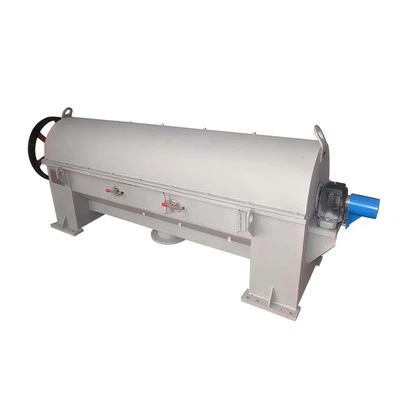
When dealing with the pulp and paper industry, pressure screens play a crucial role in ensuring the quality and efficiency of the production process. As a leading pressure screen supplier, we understand the importance of providing accurate information about the installation dimensions of pressure screens. In this blog, we will delve into the key aspects of these dimensions, which are essential for seamless integration into your production line.
Understanding Pressure Screens
Pressure screens are used to separate and clean pulp fibers from various contaminants. They operate under pressure, allowing for a more efficient screening process compared to gravity-based systems. Our company offers a range of pressure screens, including the Fine Screen Up-flow Pressure Screen, Coarse Screen Up-flow Pressure Screen, and Inflow Pre-net Screen. Each type has its unique characteristics and installation requirements.
Key Installation Dimensions
Overall Height
The overall height of a pressure screen is an important factor, especially when considering the vertical space available in your facility. The height can vary depending on the model and the specific design features. For example, our fine screen up-flow pressure screens are designed to be relatively compact, which makes them suitable for installations where vertical space is limited. However, some larger coarse screen up-flow pressure screens may require more height to accommodate the larger screening area and the necessary internal components.
When determining the required height for installation, you need to consider not only the physical height of the screen but also the additional space needed for maintenance access, such as the height required to remove and replace the screen basket.


Diameter
The diameter of the pressure screen is also a critical dimension. It affects the capacity of the screen and the flow rate of the pulp. Larger diameter screens can handle higher volumes of pulp, but they also require more floor space. Our inflow pre-net screens are available in different diameters to meet the diverse needs of our customers. When choosing the appropriate diameter, you should take into account your production capacity requirements and the available floor space in your plant.
If the floor space is limited, a smaller diameter screen may be a more suitable option, even if it means a slightly lower capacity. On the other hand, if you have a high-volume production line, a larger diameter screen can help ensure efficient screening and minimize the need for multiple screens.
Inlet and Outlet Dimensions
The dimensions of the inlet and outlet ports are crucial for proper connection to the rest of the production system. The inlet port is where the pulp enters the screen, and the outlet ports are for the accepted and rejected pulp streams. The size and shape of these ports must match the pipes or conduits in your system to ensure a leak-free and efficient flow.
We provide detailed specifications for the inlet and outlet dimensions of each of our pressure screens. This allows you to accurately plan the piping connections and ensure that they fit seamlessly with your existing infrastructure. In some cases, custom adapters may be required to connect the screen to non-standard piping systems, and our technical support team can assist you in making these arrangements.
Mounting Dimensions
Proper mounting is essential for the stability and performance of the pressure screen. The mounting dimensions include the location and size of the mounting holes or brackets on the screen. These dimensions must align with the mounting structure in your facility.
Our pressure screens are designed with standardized mounting dimensions to make installation as straightforward as possible. We also provide detailed installation instructions and templates to help you ensure that the screen is mounted correctly. If you have any special mounting requirements, our engineering team can work with you to develop a customized solution.
Factors Affecting Installation Dimensions
Production Capacity
The production capacity of your pulp and paper mill is a major factor in determining the appropriate installation dimensions of the pressure screen. Higher production capacities generally require larger screens with greater screening areas. This means that the overall height, diameter, and other dimensions of the screen will be larger.
For example, a large-scale mill producing high volumes of pulp per day will need a pressure screen with a large diameter and a high capacity. In contrast, a smaller mill with a lower production rate can use a more compact screen.
Type of Pulp
The type of pulp being processed also affects the installation dimensions. Different types of pulp, such as mechanical pulp, chemical pulp, or recycled pulp, have different properties and require different screening conditions.
Mechanical pulp, for example, contains more fibers and contaminants, so it may require a coarser screen with a larger diameter to handle the higher volume and remove the larger particles. Chemical pulp, on the other hand, is generally cleaner and may be processed using a finer screen with a smaller diameter.
Plant Layout
The layout of your pulp and paper plant is another important consideration. The available floor space, ceiling height, and the location of other equipment in the plant can all influence the choice of pressure screen and its installation dimensions.
If your plant has a limited floor area, you may need to choose a more compact screen or consider a vertical installation to save space. Similarly, if the ceiling height is low, you will need to select a screen with a lower overall height.
Importance of Accurate Installation Dimensions
Accurate installation dimensions are crucial for several reasons. Firstly, they ensure that the pressure screen fits properly into your production line. A poorly fitting screen can lead to leaks, reduced efficiency, and increased maintenance requirements.
Secondly, accurate dimensions are essential for the proper operation of the screen. The correct alignment of the inlet and outlet ports, as well as the proper mounting, ensures that the pulp flows smoothly through the screen and that the screening process is effective.
Finally, accurate installation dimensions can help you avoid costly delays and modifications during the installation process. By carefully planning and ensuring that all dimensions are correct, you can minimize downtime and get your production line up and running as quickly as possible.
Conclusion
As a pressure screen supplier, we understand the importance of providing accurate installation dimensions for our products. The dimensions of a pressure screen, including the overall height, diameter, inlet and outlet dimensions, and mounting dimensions, are all critical factors that need to be carefully considered when planning an installation.
Factors such as production capacity, type of pulp, and plant layout can all affect the choice of installation dimensions. By working closely with our customers and providing detailed technical support, we can help ensure that the pressure screen is installed correctly and operates efficiently.
If you are in the market for a pressure screen or have any questions about installation dimensions, we encourage you to contact us for a consultation. Our team of experts is ready to assist you in choosing the right screen for your needs and ensuring a smooth installation process.
References
- Pulp and Paper Handbook, various editions.
- Industry standards and guidelines for pressure screen installations.